
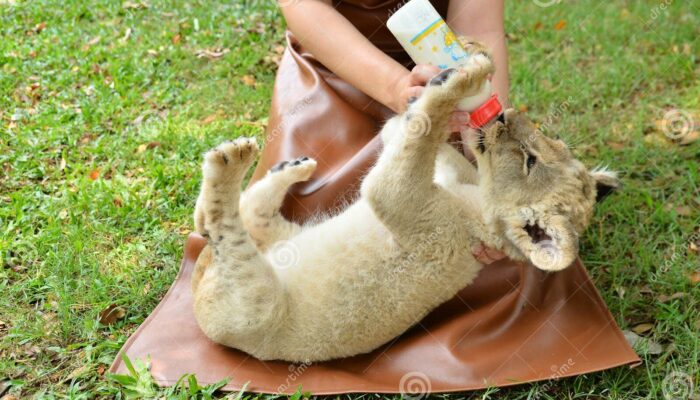
Short Answer
Overview
Dreams that feature the act of feeding a lion combine two seemingly opposite forces: the ferocity of a predator and the gentle act of nourishment. This juxtaposition invites a multifaceted interpretation that can be examined through psychological, spiritual, and cultural lenses.
Symbolic Significance of the Lion
Across many societies the lion represents authority, courage, and primal strength. When a dreamer feeds the animal, the symbolism shifts from pure domination to a relationship that includes caretaking, suggesting a willingness to engage with one’s own power rather than merely fearing it.
Power and Vulnerability
The act of feeding implies a degree of control, yet it also acknowledges the lion’s need. This duality can reflect a personal desire to balance personal power with humility, recognizing that true leadership often requires nurturing.
Psychological Interpretations
From a Jungian perspective, the lion frequently appears as an archetype of the shadow—the part of the psyche that houses repressed instincts and emotions. Feeding the lion may represent an active integration of these shadow aspects, turning fear into a source of inner strength.
- Integration of the Shadow: Nourishing the lion signals acceptance of previously disowned traits.
- Individuation Process: The dream supports the journey toward a more whole self‑identity.
- Life Transitions: Such dreams often surface during periods of major change, when internal resources are being reorganized.
Spiritual Contexts
Interpretations vary among religious traditions, each attributing distinct layers of meaning to the lion.
Christian Perspective
In biblical literature, lions symbolize divine strength and justice (e.g., Daniel in the lions’ den). Feeding a lion can be seen as an act of faith—providing spiritual sustenance amid trials and expressing trust in divine protection.
Islamic Perspective
Within Islamic symbolism, the lion is associated with courage and the virtues of figures such as Ali ibn Abi Talib. Dreaming of feeding a lion may echo the concept of zuhd (ascetic devotion), suggesting the dreamer is cultivating spiritual resilience while exercising patience.
Cultural Nuances
Various cultural traditions attribute additional meanings to the lion in dreams.
Indigenous and African Views
In many African societies the lion is a guardian spirit. Feeding it can represent a respectful alliance with protective forces, emphasizing communal responsibility and reverence for ancestral guidance.
East Asian Traditions
In Chinese and Japanese iconography, the lion (or lion‑dog) is a symbol of auspicious power. Supplying it with food may signify the nurturing of good fortune, ambition, or personal success.
Practical Reflection
When encountering this dream, consider the following questions:
- Which areas of your life feel both powerful and vulnerable?
- Are there suppressed talents or emotions you have begun to acknowledge?
- Do you see a need to balance assertiveness with compassion in your relationships?
Answering these can help translate the dream’s imagery into actionable insight.
Conclusion
Feeding a lion in a dream is a potent metaphor for confronting and nurturing one’s inner strength. Whether viewed through psychological theory, religious symbolism, or cultural tradition, the image encourages the dreamer to integrate power with care, transforming fear into purposeful growth.
FAQ
What does feeding a lion symbolize in a dream?
It often reflects an attempt to integrate personal power with nurturing, suggesting growth through confronting inner strength and fear.
Can this dream indicate a spiritual awakening?
Many traditions view the lion as a divine or protective symbol, so feeding it may signal deeper faith, devotion, or a call to nurture spiritual values.
Is the dream always positive?
Not necessarily; it can also highlight unresolved tension between dominance and dependence, urging the dreamer to address imbalance.



Leave a Reply