
Short Answer
Overview
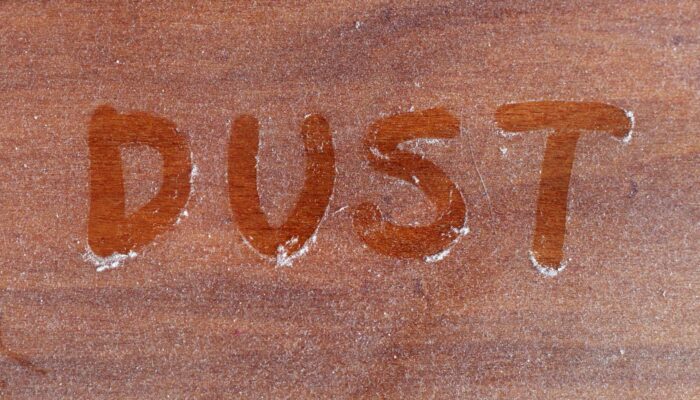
Dust is often dismissed as a trivial particle, yet its appearance in dreams carries rich symbolic weight. Across cultures and psychological frameworks, dust can represent the passage of time, forgotten memories, or the need for renewal. Understanding this motif provides insight into personal concerns that may be hidden in the subconscious.
Cultural Symbolism of Dust
Throughout history, dust has been employed as a metaphor for both creation and decay. The following table summarizes key cultural interpretations:
| Culture | Symbolic Meaning |
|---|---|
| Western (Biblical) | Human frailty and humility; reminder of mortality. |
| Islamic | Cycle of life and rebirth; dust as the material from which humans are formed. |
| Hindu | Aspect of samsara, the endless cycle of birth, death, and rebirth. |
| Native American | Elemental connection to Earth; signifies grounding and the interdependence of all life. |
Western Traditions
In Judeo‑Christian narratives, dust underscores the impermanent nature of human existence. Genesis describes humanity being fashioned from dust, and the phrase “to dust thou art, and unto dust shalt thou return” reinforces a spiritual call to humility.
Islamic Teachings
The Qur’an repeatedly mentions that humans are created from dust, emphasizing both the origin and the eventual return to the earth. Dreaming of dust in an Islamic context may hint at spiritual renewal or contemplation of one’s purpose.
Hindu Philosophy
Within Hindu thought, dust can symbolize the material veil that obscures the soul’s true nature. A dream featuring dust may suggest a phase of inner transformation, urging the dreamer to shed old identities.
Native American Perspectives
Many Indigenous traditions view dust as a tangible expression of the Earth’s breath. It reminds the individual of their place within the larger ecological web and can inspire reverence for nature.
Psychological Perspectives
From a psychoanalytic standpoint, dust operates as a metaphor for repressed material. Freud suggested that seemingly insignificant objects in dreams often represent latent wishes or anxieties. Dust, being the accumulation of what has been overlooked, can signal neglected emotions or memories.
Jung expanded this view by linking dust to archetypal images of decay and renewal. In the collective unconscious, dust may embody the “shadow”—the aspects of the self that are hidden from conscious awareness. Encountering dust in a dream can therefore prompt integration of these shadow elements.
Contemporary dream research supports the notion that dust‑related imagery frequently accompanies feelings of stagnation, guilt, or low self‑esteem. It may also arise during periods of transition, when the mind is processing change.
Interpretive Themes in Dream Imagery
- Unresolved Issues: Dust can point to tasks, relationships, or emotions that have been left unattended.
- Stagnation or Neglect: An accumulation of dust may reflect a sense that life has become static or that personal growth is being hindered.
- Mortality and Impermanence: The fleeting nature of dust serves as a reminder of life’s transitory character.
- Transformation: In many traditions, dust precedes rebirth; dreaming of dust can herald a period of personal renewal.
- Need for Cleansing: Symbolic “cleaning” of dust suggests the dreamer should undertake emotional or spiritual purification.
Practical Guidance for Dreamers
“To sweep away dust is to clear the mind of old patterns.” – Anonymous
When a dust‑laden dream occurs, consider the following steps:
- Reflect on areas of life that feel stagnant or ignored.
- Journal any emotions that arise during the dream, focusing on feelings of guilt, neglect, or curiosity.
- Identify concrete actions—such as organizing a physical space, reaching out to a distant friend, or beginning a creative project—that can metaphorically “clean” the dust.
- Explore spiritual practices that resonate with your cultural background, such as meditation, prayer, or ritual cleansing.
Conclusion
Dust, though seemingly insignificant, functions as a potent symbol within the dreamscape. Whether viewed through the lens of cultural mythology or modern psychology, it urges the dreamer to acknowledge forgotten aspects of the self, confront impermanence, and embark on a path of renewal. By attending to the subtle messages embedded in dust‑filled dreams, individuals can gain valuable insight into their inner world and take purposeful steps toward personal growth.
FAQ
What does it mean if I dream about dust covering my house?
It often signifies areas of your life that feel neglected or stagnant and may be urging you to address them.
Can dust in dreams represent physical health concerns?
While primarily symbolic, some dream researchers note that physical sensations (e.g., allergies) can influence dream content.
Is dust always a negative symbol in dreams?
Not necessarily; in many traditions dust also heralds transformation and the possibility of renewal after a period of decay.
How can I use a dust dream for personal growth?
Identify the neglected aspect the dream highlights, then take concrete steps—such as organizing, reaching out, or meditating—to 'clean' that part of your life.



Leave a Reply