
Short Answer
Introduction
Land is one of the most elemental symbols that appears in the dreamscape. As the ground beneath our feet, it naturally represents a foundation, stability, and the potential for growth. When land surfaces in a dream, it often mirrors the dreamer’s inner world, reflecting aspirations, anxieties, and spiritual longings. This article surveys the multifaceted meanings of land, drawing on religious traditions, cultural beliefs, and major psychological theories.
Symbolic Foundations of Land
At its core, land functions as a metaphor for the base upon which life is built. In a syllogistic sense, if land denotes stability and dreams are reflections of the subconscious, then dreaming of land can indicate a quest for security or an affirmation of one’s life choices. The condition of the terrain—whether lush, barren, or treacherous—provides further nuance to this foundational symbolism.
Common Interpretations by Landscape Type
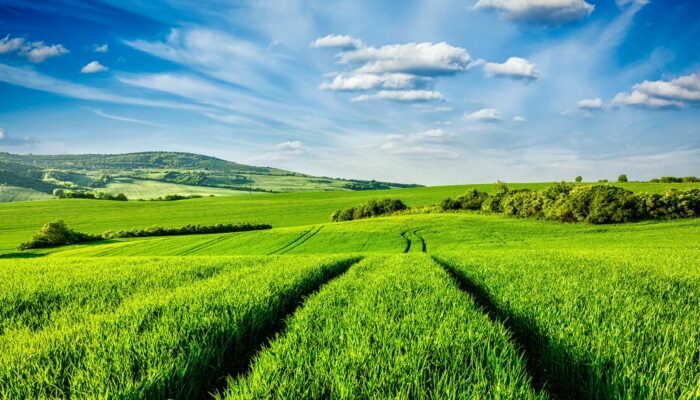
- Fertile, expansive land: Abundant opportunities, personal growth, and a sense of flourishing.
- Barren or desolate land: Feelings of stagnation, isolation, or unmet potential.
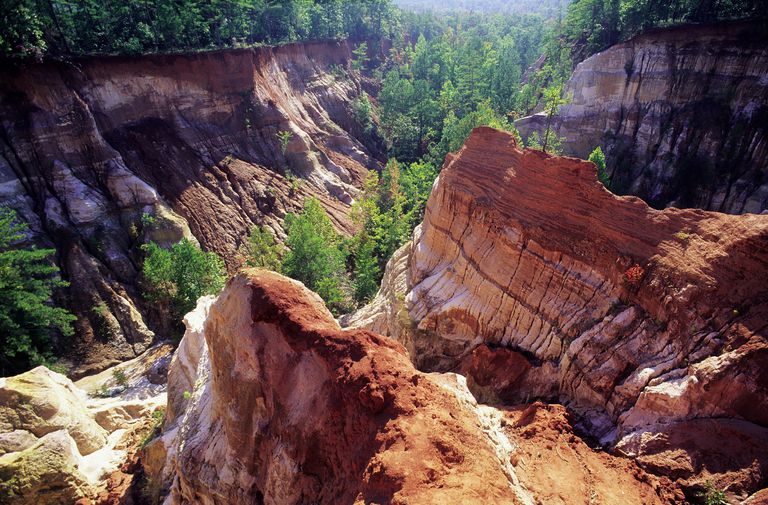
- Rocky or uneven terrain: Obstacles, challenges, and the need for resilience.
Land in Religious and Spiritual Traditions
Across major faiths, land carries profound symbolic weight.
Christianity
In biblical narratives, the “Promised Land” represents hope, divine provision, and spiritual fulfillment. A dream of lush, green fields may echo a longing for divine blessing or an affirmation of one’s faith journey. The imagery of soil nurturing seeds aligns with the concept of spiritual growth nurtured by God.
Islam
The Qur’an emphasizes stewardship of the earth, framing land as a divine trust. Dreaming of cultivating or tending to land can symbolize a sense of responsibility toward community, environment, and personal duties. Such visions may inspire acts of benevolence or social service.
Indigenous and Animist Traditions
Many indigenous cultures regard land as a living ancestor, a source of wisdom and identity. Dreams of returning to ancestral lands or walking through pristine wilderness may signal a reconnection with heritage, an awakening to communal roots, or a call to honor one’s lineage.
Psychological Perspectives
Prominent psychoanalytic frameworks provide complementary lenses for interpreting land imagery.
Freudian View
Sigmund Freud often linked terrestrial symbols to sexual or repressed desires. He might interpret a barren landscape as a manifestation of unfulfilled libido or an unconscious fear of impotence.
Jungian View
Carl Jung regarded land as an archetype of the Self and the collective unconscious. A vast, open plain can represent the ego’s quest for wholeness, while a rugged mountain may embody the individuation process—overcoming internal barriers to achieve integration.
Emotional Climate and Dream Context
The affective tone of the dream heavily influences interpretation. Dreaming of nurturing a garden suggests personal development and emotional care. Conversely, navigating a storm‑riddled desert may reflect feelings of desolation or emotional drought. The dreamer’s actions—whether they are building, exploring, or fleeing—add further layers of meaning.
Practical Guidance for Interpreting Land Dreams
- Identify the type of terrain (fertile, barren, rocky, etc.).
- Notice the emotional tone (peaceful, anxious, hopeful).
- Consider personal life circumstances that echo the landscape’s symbolism.
- Reflect on any religious or cultural associations you hold with land.
- Journal the dream and explore recurring motifs over time.
Conclusion
Dreams of land are richly layered symbols that bridge the personal, communal, and spiritual dimensions of human experience. Whether interpreted through logical syllogism, sacred tradition, or depth psychology, these visions invite introspection, offering insights into one’s aspirations, challenges, and sense of purpose. Engaging with the symbolism of land can inspire transformative actions, much like a fertile field ready for planting.
FAQ
What does it mean to dream of a lush, green field?
It typically signifies personal growth, abundant opportunities, and a sense of spiritual or emotional flourishing.
Are barren landscapes in dreams always negative?
Not necessarily. While they can indicate stagnation or feelings of isolation, they may also reflect a need for rest, introspection, or a call to cultivate new aspects of life.
How do cultural beliefs shape the interpretation of land dreams?
Cultural background provides specific symbolic layers—such as the Promised Land in Christianity or stewardship in Islam—that influence how the dreamer perceives and integrates the imagery.
Can a dream about climbing a mountain represent personal challenges?
Yes. In Jungian terms, a mountain often symbolizes the individuation process, reflecting the dreamer’s effort to overcome internal obstacles and achieve self‑realization.


Leave a Reply