
Short Answer
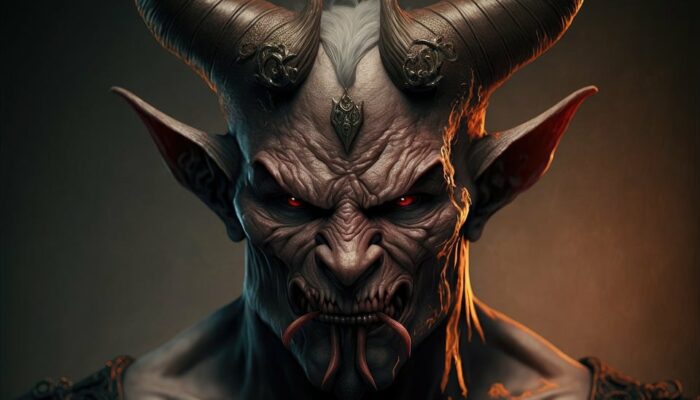
Waking from a dream featuring the devil can be a jarring and perplexing experience. Whether the encounter felt like a terrifying nightmare or a strange, metaphorical dialogue, such imagery often serves as a powerful vehicle for accessing the subconscious. Far from being a simple omen of evil, the devil in dreams typically acts as a complex symbol representing the internal struggles, moral dilemmas, and repressed desires of the dreamer.
The General Symbolism of the Devil
In a broad psychological and symbolic scope, the devil represents the conflicts we face within ourselves. He often encapsulates the tension between our virtues and our vices, appearing during times of significant emotional or moral turmoil. Common themes associated with this figure include:
- Temptation: A struggle between immediate gratification and long-term moral integrity.
- Guilt: The manifestation of shame or regret over past actions.
- Loss of Control: Feeling overwhelmed by circumstances or an inability to resist negative impulses.
Religious and Spiritual Perspectives
The meaning of the devil varies significantly depending on the dreamer’s spiritual framework and cultural background.
The Biblical and Christian View
From a biblical perspective, the devil is the antithesis of divine guidance and the primary tempter. Dreaming of this figure may suggest a confrontation with one’s own moral failings or a period of spiritual questioning. Such dreams often arise when a person feels they are deviating from their faith or are struggling to make decisions that align with their spiritual beliefs.
The Islamic Tradition (Iblis)
In Islamic tradition, the figure of Iblis symbolizes pride and defiance against divine authority. A dream featuring the devil in this context may point toward feelings of rebellion or an internal conflict regarding submission to a higher purpose. It serves as an invitation to examine the alignment between one’s personal aspirations and their spiritual commitments.
Folkloric and Indigenous Interpretations
Interestingly, many indigenous and folkloric traditions do not view the devil as purely malevolent. Instead, he is often portrayed as a trickster. In these contexts, the devil acts as a catalyst for transformation. Dreaming of a trickster figure can signify an unexpected shift in perspective or a call to embrace the “chaos” of life to achieve personal liberation.
Psychological Analysis
Modern psychology provides a framework for understanding these dreams without relying on supernatural interpretations.
The Jungian Shadow
Carl Jung proposed the concept of the Shadow Self—the repressed, darker parts of our personality that contain traits we find unacceptable or taboo. In Jungian analysis, the devil is a classic projection of the shadow. Confronting the devil in a dream is an opportunity for “shadow work,” encouraging the dreamer to integrate these neglected aspects of their psyche to achieve emotional wholeness.
The Freudian Perspective
Sigmund Freud viewed such imagery through the lens of innate desires and primal instincts. From this perspective, the devil may represent repressed libidinal drives or a yearning for autonomy that conflicts with societal norms. These dreams unlock the unconscious motivations that the conscious mind suppresses to remain socially acceptable.
Summary Table of Interpretations
| Perspective | Primary Meaning | Core Emotion |
|---|---|---|
| Psychological (Jung) | The Shadow Self | Repression/Integration |
| Christianity | Temptation/Moral Failure | Guilt/Fear |
| Islam | Pride/Defiance | Rebellion/Reflection |
| Folkloric | The Trickster | Change/Chaos |
Conclusion
The dream meaning of the devil cannot be distilled into a single definition. It is a rich tapestry woven from cultural, religious, and psychological threads. Rather than viewing these dreams with fear, they should be seen as mirrors reflecting inner conflicts and guiding lights toward self-discovery. By confronting the “devil” in our dreams, we can begin to unravel the intricate web of struggles and desires that shape our waking lives, ultimately leading to profound personal transformation.
FAQ
Is dreaming of the devil always a bad sign?
No. Psychologically, it often represents the 'shadow self' and can be a positive catalyst for personal growth and self-integration.
Why do I dream of the devil when I am not religious?
The devil is a powerful cultural archetype for temptation, guilt, and the 'forbidden,' which can appear regardless of personal faith.
What should I do after having this dream?
Reflect on current stressors, moral dilemmas, or parts of your personality you may be suppressing.



Leave a Reply