
Short Answer
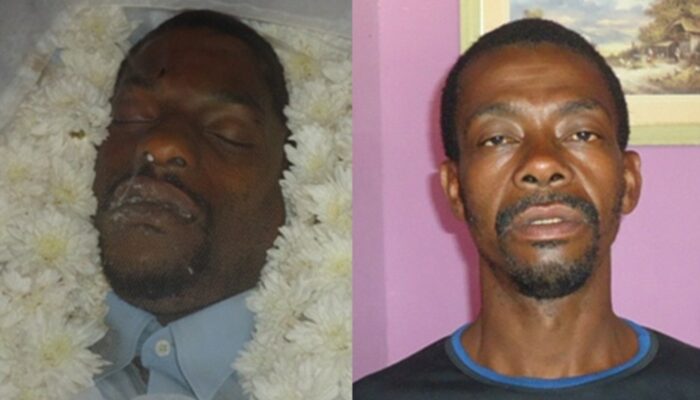
Dreams involving the deceased are among the most emotionally charged experiences of the human psyche. One of the most perplexing and vivid scenarios is the manifestation of a deceased person appearing as if they are living once again. These dreams often leave the dreamer with a lingering sense of astonishment, comfort, or confusion, serving as a bridge between the conscious mind and the deep recesses of the subconscious.
To understand why we dream of the dead as living, we must examine the experience through three primary lenses: the symbolic, the spiritual, and the psychological. Each offers a unique perspective on how our minds process grief, longing, and the nature of existence.
Symbolic Interpretations of the Living Dead
From a symbolic standpoint, a deceased person returning to life in a dream rarely represents a literal event. Instead, it often serves as a metaphor for internal shifts within the dreamer.
- Transformation and Renewal: The “resurrection” of a familiar face may symbolize the rebirth of certain qualities that the deceased person embodied. If the person was known for their courage, their appearance may signal that the dreamer is reclaiming their own courage.
- The Need for Closure: Such dreams often act as an invitation to reconcile unresolved feelings. Whether it is lingering guilt, unexpressed love, or a need for forgiveness, the dream provides a safe space to address these emotions.
- The Archetypal Guide: In many symbolic frameworks, a revived figure acts as a guide or mentor. They may appear during times of crisis to offer wisdom or direction, embodying the internal voice of intuition that the dreamer associates with that specific person.
Spiritual Meanings Across Global Cultures
Different religious and cultural paradigms provide diverse interpretations of these encounters, often viewing them as actual communications between realms.
| Perspective | Common Interpretation |
|---|---|
| Christianity | Often viewed as a message of hope and reassurance, reflecting the belief in eternal life and the enduring bond between the living and the departed. |
| Islam | May be interpreted as the deceased seeking prayers or forgiveness, or a reminder for the living to perform charitable acts in the deceased’s honor. |
| Hinduism | Seen through the lens of Samsara (the cycle of birth and death), suggesting a reflection on the cyclical nature of existence and the soul’s journey. |
| Ancestral Traditions | Viewed as a direct visitation from ancestral spirits providing protection, warnings, or guidance to the dreamer. |
Psychological Dimensions and Analysis
Modern psychology views these dreams as externalizations of internal mental processes. The appearance of a dead person as living is often a mechanism for the brain to handle the trauma of loss.
Freudian Perspective: Wish Fulfillment
Sigmund Freud posited that dreams are often the fulfillment of suppressed wishes. Dreaming of a deceased loved one being alive is a classic example of wish fulfillment—the subconscious mind’s attempt to negate the reality of death and restore a cherished relationship.
Jungian Perspective: The Quest for Wholeness
Carl Jung viewed such dreams as part of the process of individuation. To Jung, the deceased person may represent a “shadow” or an archetype. Their return signifies the dreamer’s attempt to integrate a lost part of their own psyche or to grapple with universal themes of mortality and regeneration.
“The dream is a little hidden door in the innermost and most secret recesses of the soul.” — Carl Jung
Furthermore, these dreams frequently occur during major life transitions. When facing a career change, a marriage, or a personal crisis, the psyche may conjure a beloved figure to provide the emotional resilience and reassurance needed to navigate the change.
Conclusion
Dreaming of a dead person alive is a multifaceted experience that resonates across the spiritual, psychological, and symbolic realms. Whether these visions are seen as divine visitations, manifestations of grief, or symbolic markers of personal growth, they highlight the enduring nature of human connection. By reflecting on these dreams, individuals can find a path toward closure, embrace ancestral wisdom, and gain a deeper understanding of their own emotional landscape.
FAQ
Why do I dream of a dead person being alive?
These dreams often reflect the subconscious mind’s process of grieving, a desire for closure, or the manifestation of qualities the deceased embodied that are now surfacing in the dreamer’s life.
Is dreaming of a deceased person a sign they are visiting me?
Depending on spiritual beliefs, many cultures interpret these dreams as visits from ancestral spirits or divine messages of hope and reassurance.
What does it mean psychologically to see a dead person alive in a dream?
Psychologically, it may represent wish fulfillment, unresolved trauma, or a way for the psyche to cope with loss and transition.
FAQ
Why do I dream of a dead person being alive?
These dreams often reflect the subconscious mind’s process of grieving, a desire for closure, or the manifestation of qualities the deceased embodied that are now surfacing in the dreamer’s life.
Is dreaming of a deceased person a sign they are visiting me?
Depending on spiritual beliefs, many cultures interpret these dreams as visits from ancestral spirits or divine messages of hope and reassurance.
What does it mean psychologically to see a dead person alive in a dream?
Psychologically, it may represent wish fulfillment, unresolved trauma, or a way for the psyche to cope with loss and transition.





Leave a Reply