
Short Answer
Introduction
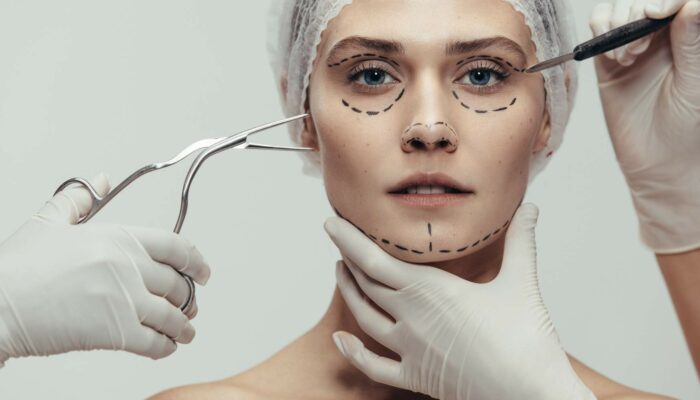
Dreams that feature cosmetic surgery—whether the dreamer is the patient, an observer, or a surgeon—present vivid imagery of bodily alteration. In the dreamscape, such scenes often function as metaphors for personal change, self‑evaluation, and the influence of societal beauty standards. This article provides an encyclopedic overview of the symbolic, spiritual, and psychological dimensions of cosmetic‑surgery dreams.
Symbolic Meaning of Cosmetic Surgery in Dreams
From a symbolic standpoint, cosmetic surgery represents a deliberate modification of the self. The act can signify:
- A conscious wish to shed an aspect of one’s identity that feels inadequate.
- A subconscious response to external pressure to conform to idealized appearances.
- The aspiration for renewal, comparable to a caterpillar’s metamorphosis into a butterfly.
When the dreamer undergoes the procedure, the symbolism often points to an internal drive for self‑improvement. Observing another person receive surgery may reflect feelings of envy, comparison, or perceived inadequacy.
Spiritual Interpretations
Spiritual traditions interpret bodily transformation in varied ways, linking the dream imagery to broader theological concepts of vanity, stewardship, and impermanence.
Christianity
Within Christian thought, a dream of cosmetic surgery can highlight an inner conflict between vanity and humility. Scripture emphasizes that humans are “fearfully and wonderfully made” (Psalm 139:14), suggesting that the desire for external alteration may clash with the belief in inherent divine worth.
Islam
Islamic teachings regard the body as a trust (amanah) from Allah. Dreaming of aesthetic enhancement may be interpreted as a reminder to maintain the body respectfully, balancing personal dignity with the religious principle that physical beauty is a gift, not a status to be exploited.
Buddhism and Other Traditions
Buddhist perspectives stress impermanence (anicca) and the futility of clinging to physical form. A cosmetic‑surgery dream may serve as a gentle prompt to focus on inner qualities rather than transient outward appearance. Similar reflections appear in Hindu and Taoist philosophies, which view bodily change as a symbol of spiritual growth when pursued with mindful intention.
Psychological Perspectives
Psychology offers several frameworks for interpreting cosmetic‑surgery dreams.
Freudian View – Sigmund Freud considered dreams a window into repressed wishes. A surgical dream may reveal unresolved anxieties about self‑esteem, fear of judgment, or a hidden desire to be accepted by others.
Jungian Interpretation – Carl Jung associated such imagery with archetypal processes. The surgery can represent the activation of the “anima” or “animus,” indicating an integration of complementary aspects of the psyche and a move toward individuation.
“Dreams are the royal road to the unconscious.” – Sigmund Freud
Contemporary dream researchers also note that these dreams often occur during periods of life transition—career changes, relationship shifts, or major health decisions—when the individual is actively renegotiating personal identity.
Conclusion
Cosmetic‑surgery dreams encapsulate a complex interplay of personal aspiration, cultural influence, spiritual symbolism, and psychological dynamics. By reflecting on the specific details of the dream—who is altered, the nature of the procedure, and the emotions felt—individuals can gain insight into their deeper motivations and concerns regarding self‑image and transformation.
Engaging with these nocturnal narratives encourages a balanced appraisal of external appearance and internal values, fostering greater self‑awareness and authentic growth.
FAQ
What does it mean to dream of undergoing cosmetic surgery?
It often reflects a subconscious wish for personal change, heightened self‑critique, or pressure to meet external beauty standards.
Can such dreams indicate underlying mental health concerns?
While not diagnostic, recurring surgery dreams may point to unresolved self‑esteem issues and can be explored in therapy.
Do cultural differences affect the interpretation of these dreams?
Yes; religious and cultural contexts shape whether the dream is seen as vanity, stewardship of the body, or a spiritual lesson on impermanence.





Leave a Reply