
Short Answer
Understanding the Symbolism of Cocaine in Dreams
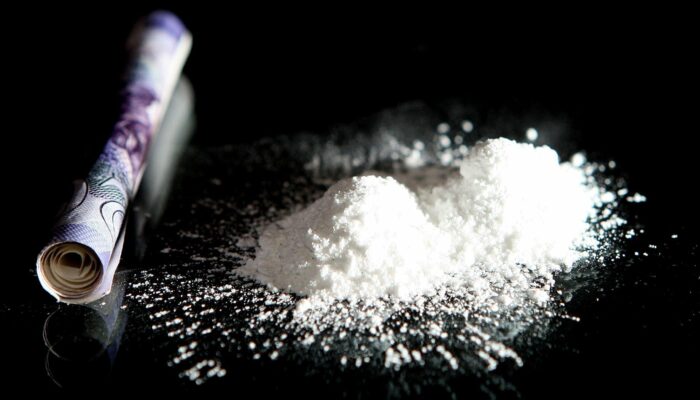
The appearance of cocaine in a dream rarely serves as a literal prediction or a simple desire for the substance. Instead, it often functions as a potent symbol within the subconscious, representing complex emotional states, desires, and internal conflicts. Because cocaine is culturally associated with euphoria, illicit activity, and high energy, its presence in the dream state can be interpreted through various psychological, spiritual, and cultural lenses.
Common Symbolic Interpretations
Depending on the context of the dream, cocaine can represent several contrasting themes:
- Escapism: Much like its real-world application, dreaming of cocaine may signify a subconscious desire to evade the stresses, monotony, or pain of waking life. It often reflects a yearning to avoid burdensome responsibilities.
- Vitality and Exhilaration: Because the substance is linked to intense energy, it may symbolize a craving for excitement, adventure, or a “spark” of inspiration that the dreamer feels is missing from their current existence.
- Power and Status: In certain social contexts, cocaine is associated with wealth and influence. Dreaming of it may reflect ambitions for recognition or a desire for a more commanding position in one’s professional or social circle.
Psychological Perspectives
Psychology offers diverse frameworks for understanding why the mind utilizes such a provocative image during sleep.
The Freudian View: Repressed Desires
From a Freudian perspective, dreaming of cocaine may be seen as a manifestation of repressed desires. It may embody the dreamer’s longing for power, instant gratification, or the fulfillment of ambitions that are suppressed by societal norms or personal inhibitions.
The Jungian View: The Shadow Self
Carl Jung’s theories suggest that cocaine may represent the “shadow self”—the hidden, darker, or unacknowledged aspects of the personality. Encountering this symbol can indicate a confrontation with internal conflicts or destructive habits that require conscious integration and healing.
Spiritual and Religious Meanings
Spiritual interpretations often view intoxicants as symbols of a disconnect between the physical and spiritual realms.
| Perspective | Common Interpretation |
|---|---|
| Christianity | May suggest a disconnection from divine purpose or a struggle with moral temptation and worldly indulgence. |
| Islam | Often viewed as a warning against vices that obscure clarity and purity, signaling a need for spiritual restraint. |
| Indigenous Cultures | In specific ritualistic contexts, psychoactive symbols may represent transformation, healing, or communication with ancestors. |
Personal Reflection and Context
To accurately decode a dream involving cocaine, one must analyze their own emotional landscape. Consider the following questions to gain deeper insight:
“Am I currently feeling overwhelmed by my responsibilities, or perhaps bored with the trajectory of my life? Do I feel a lack of control, or am I pursuing a goal with an unsustainable level of intensity?”
The substance may act as a mirror, reflecting whether the dreamer is seeking a healthy balance or is currently drifting toward excess. Ultimately, these dreams serve as a catalyst for introspection, urging the individual to evaluate their choices and pursue meaningful, sustainable fulfillment.
FAQ
Does dreaming of cocaine mean I want to use drugs?
Not necessarily. In dreams, substances often act as symbols for energy, power, or the desire to escape stress rather than a literal craving.
What does it mean if I am giving cocaine to someone else in a dream?
This may represent a desire to influence others, a need to provide 'energy' or 'excitement' to a relationship, or a reflection of shared secrets and illicit bonds.
Why is the dream so vivid?
Vivid dreams involving potent symbols often occur during REM sleep when the brain is processing intense emotions or unresolved conflicts.





Leave a Reply