
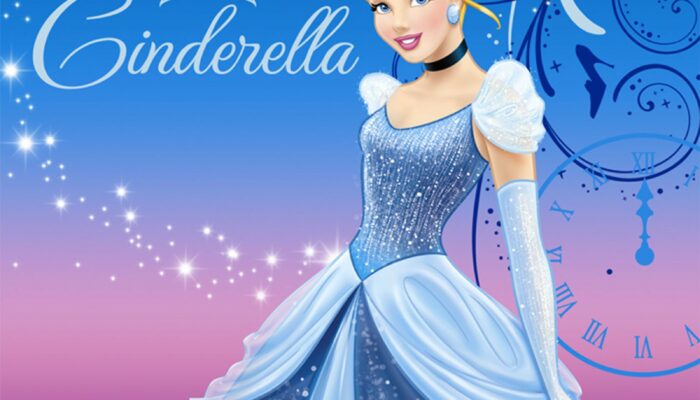
Short Answer
Cinderella in Dream Interpretation
The fairy tale character Cinderella appears frequently in dream narratives, often serving as a potent symbol for profound personal transformations and aspirations for positive change in waking life. This recurring theme allows individuals to engage with universal motifs of hope, resilience, and triumph over hardship during their sleep journeys.
When her story unfolds within the dreamscape, Cinderella’s narrative powerfully represents several key archetypes that resonate deeply across cultures: transformation (from rags to riches), new beginnings (‘after midnight’ opportunity), resilience in adversity, hope for better outcomes, and the quest for acceptance. These symbolic elements suggest how our subconscious processes personal challenges, celebrates successes achieved against odds, and contemplates future possibilities.
The manifestation of Cinderella figures across different dream contexts indicates a deep-seated human yearning for positive change and recognition that transcends geographical and cultural boundaries. Individuals may find themselves relating to her underprivileged existence or identifying with her grace after transformation; both connections reveal the character’s enduring significance in reflecting our own experiences with obstacles, opportunities, and personal identity.
Symbols and Their Meanings
| Symbol | Dream Significance (Cinderella Context) |
|---|---|
| Cinderella’s Appearance/Mannerisms | Resilience, grace, optimism in the face of difficulty. May represent finding strength to overcome personal challenges. |
| Glass Slipper | The iconic symbolizes transformation and perfect fit (both literally in dreamscape navigation and metaphorically with new beginnings). It encourages reflection on personal authenticity or finding one’s unique path. |
| Transformation Scene | Potential for change, overcoming limitations. Suggests harnessing personal power to improve circumstances. |
| Stepsisters’ Actions/Attire | Symbols of obstacles (jealousy, competitiveness), vanity, and social pressures that one may need to confront or overcome in their own life journey. |
| The Ball/Marriage Event | Represents culmination, achievement, celebration. May signify anticipation for significant milestones or validation. |
Cinderella’s appearance in dreams consistently offers a narrative framework through which individuals can process feelings of hope and transformation during their waking hours. Her story resonates as both metaphorical inspiration and symbolic representation, allowing dreamers to project personal aspirations onto her journey from rags to riches.
Psychological Dimensions
Cinderella’s enduring appeal in dreams connects directly with human psychology through the lens of Freudian interpretation. Her character embodies an individual navigating between societal expectations and romantic desires, similar to dream analysis concepts where characters often represent unresolved personal conflicts or unfulfilled wishes.
Jungian perspectives further illuminate Cinderella as a collective archetype representing universal themes like hope against odds, social transformation, and the journey toward wholeness. Dreaming of her stepsisters might specifically relate to Jung’s concept of shadow work—addressing aspects of ourselves we wish weren’t there or confronting competitive pressures.
Cultural Contexts
The Cinderella narrative transcends its fairy tale origins, resonating with diverse cultural interpretations. In Western contexts, her story primarily symbolizes marriage and social elevation through romance, while in some Eastern cultures (especially those influenced by similar transformation narratives), the focus might be more on personal achievement or familial harmony.
Understanding these nuances helps interpret why Cinderella remains a potent dream figure across different societies. Her journey embodies core human desires for security after adversity and meaningful connection—values that are culturally universal despite their specific expression in various belief systems worldwide.
When analyzed through both individual psychology (Freudian) and collective archetypes (Jungian), Cinderella’s story demonstrates how dreams can simultaneously reflect personal experiences while tapping into broader cultural narratives. The character persists as a meaningful symbol, reminding dreamers of the possibility for transformation within their own lives.
Frequently Asked Questions
Q: Why do I keep dreaming about Cinderella?
A: Repeated appearances often suggest an ongoing personal quest for change or validation similar to her journey—perhaps indicating unresolved feelings about your current circumstances, relationships, or career path.
Q: What does it mean if the transformation doesn’t happen in my Cinderella dream?
A: Dreams where Cinderella’s positive outcome is missing may reflect fears of failure, unfulfilled potential, or concerns about your ability to overcome obstacles in waking life.
Q: Do all interpretations require a romantic element? No. While the story often includes love and marriage elements, the deeper meaning typically focuses more on personal transformation than romantic pursuit alone.




Leave a Reply