
Short Answer
Introduction to Cherubic Symbolism
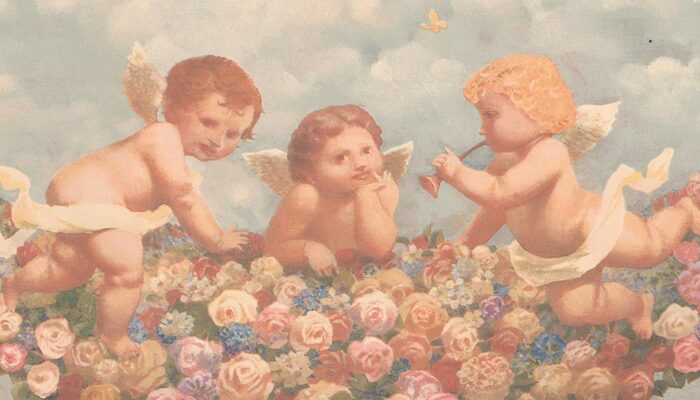
Throughout history, cherubs have emerged as enchanting and multifaceted symbols across diverse cultures and belief systems. Often depicted as winged children or youthful angels, these divine beings are evocative figures within Christian, Islamic, and various other spiritual traditions. Beyond religious scripture, cherubs have permeated art, literature, and film, capturing the human imagination in a manner similar to whimsical figures like Tinkerbell from Peter Pan or the mischievous Puck from A Midsummer Night’s Dream. Understanding the nuances of cherubs—from their presence in the subconscious to their symbolic implications—allows for a deeper exploration of their impact on the human psyche.
Psychological Interpretations of Cherubs in Dreams
From a psychological perspective, cherubs often serve as archetypes of innocence, joy, and the untarnished essence of childhood. When these beings appear in dreams, they typically signify hope, love, or a fleeting sense of inner peace. The presence of a cherub may act as a subconscious reminder of the purity of one’s aspirations or an encouragement to adopt a more carefree approach to life’s challenges.
Common Dream Scenarios
- Cherubs flying among clouds: This often symbolizes a yearning for liberation from adult responsibilities and a desire to reclaim lost childhood wonder.
- Interacting with a cherub: May indicate a period of emotional healing or the arrival of a peaceful resolution to a conflict.
- Observing a cherubic presence: Often reflects a need for protection or a reminder of innate goodness within oneself.
Spiritual and Religious Perspectives
In many spiritual contexts, cherubs are viewed as intermediaries between the divine realm and humanity, though their roles vary significantly by tradition.
Christian Biblical Interpretation
In Christian scripture, cherubs are deeply rooted in the concept of divine guardianship. Far from being mere infants, they are often illustrated as protectors of sacred spaces. A primary example is found in the Book of Genesis, where two cherubs are positioned at the entrance of the Garden of Eden, wielding flaming swords to prevent humankind’s return. This imagery symbolizes both divine protection and the poignant transition from innocence to experience, highlighting the juxtaposition between earthly desires and spiritual enlightenment.
Islamic Perspectives
While not explicitly termed “cherubs” in the same Western artistic sense, Islamic tradition recognizes a diverse array of angelic beings who fulfill essential roles, such as recording human deeds and serving as guardians. In this context, the appearance of angelic figures in dreams can embody the peace derived from a divine connection. Such experiences may prompt an individual to introspect on their moral choices and encourage a deeper alignment with spiritual values, suggesting that these beings facilitate a transition toward a higher state of existence.
Philosophical and Cultural Significance
Beyond the realm of faith, cherubs resonate within philosophical discourse. Through the lens of syllogism, one might reason: If cherubs symbolize innocence and divine love, and if humanity inherently seeks these attributes, then cherubs serve as ideal conduits for invoking compassion and care in our lives.
Artistic Influence and Visual Culture
The versatility of the cherub as a symbol is evident in its prevalence throughout art history. From the ornate Renaissance frescoes of Raphael to contemporary digital media and children’s literature, cherubs have remained a constant. This enduring presence in visual culture reinforces the collective understanding of cherubs as beings of affection and ethereal grace.
Conclusion: The Enduring Appeal of the Cherubic
Ultimately, the manifold interpretations of cherubs—whether viewed through psychology, religion, or philosophy—coalesce into a rich tapestry of human understanding. They invite us to explore our deepest aspirations for purity and love, reminding us that even amidst the chaos of adulthood, the essence of childhood wonder can still flicker brightly. By embracing the cherubic ideals of joy and grace, we can find inspiration as we navigate the intricate journey of life.
FAQ
What does it mean if I dream of a cherub?
Dreaming of a cherub often signifies a need for peace, a return to innocence, or a reminder of the purity of your goals and aspirations.
Are cherubs the same as angels in all traditions?
While often grouped together, their roles vary; in some biblical contexts, they are powerful guardians, while in art, they are depicted as innocent children.
Why are cherubs often depicted as children?
The depiction as children emphasizes the qualities of innocence, purity, and the untarnished nature of divine love.




Leave a Reply