
Short Answer
Introduction
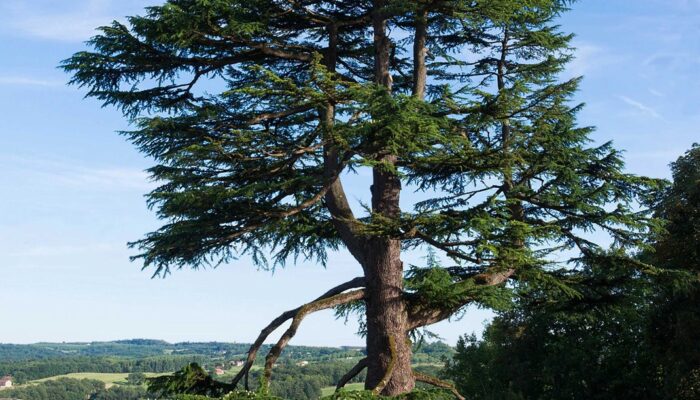
The cedar tree appears frequently in dreams, standing out for its height, fragrance, and durability. As a dream symbol it bridges the material and the spiritual, offering insight into personal stability, growth, and inner fortitude. This article examines the cedar’s meaning through logical (syllogistic) reasoning, cultural traditions, and modern psychological theory.
Syllogistic Interpretation
Applying classic deductive reasoning to the cedar yields a concise argument:
- Major premise: Trees in dreams represent growth, stability, and life.
- Minor premise: The cedar possesses deep roots and soaring branches.
- Conclusion: Therefore, a cedar in a dream signifies profound stability coupled with spiritual aspiration.
This syllogism highlights the cedar’s dual nature: rooted in the earth while reaching toward the heavens, a metaphor for balanced personal development.
Symbolic Significance
Historically, the cedar has been associated with endurance, purity, and protection. Its aromatic wood has been used in rituals, reinforcing the idea of sanctity. In a dream, these qualities can manifest as:
- Resilience: The tree’s ability to withstand harsh weather mirrors the dreamer’s capacity to endure challenges.
- Renewal: Fresh growth on a cedar may suggest personal rebirth or a new phase of life.
- Authority: The cedar’s majestic stature can symbolize leadership or a call to assume responsibility.
Spiritual Meaning Across Cultures
Different religious and cultural traditions attribute distinct spiritual messages to the cedar:
Christianity
In the Bible, cedars are praised for their beauty and longevity (e.g., Psalm 92:12). They often represent divine protection and eternal life. Dreaming of a cedar may therefore convey a sense of divine assurance or a reminder of spiritual endurance.
Islam
The Qur’an mentions trees as symbols of steadfastness and divine reward. While a specific cedar reference is rare, the broader symbolism of a durable, fragrant tree aligns with patience and faith. A cedar dream in an Islamic context can be interpreted as encouragement to remain firm in belief.
Indigenous Traditions
Many Native American peoples regard the cedar as a sacred protector and a conduit for purification. Its wood is used in smudging ceremonies to cleanse spaces and spirits. In this cultural frame, a cedar appearing in a dream may signal ancestral guidance or a call to engage in spiritual cleansing.
Psychological Perspective
From a Jungian viewpoint, trees are archetypal symbols of the self, representing growth and integration of the conscious and unconscious. The cedar’s towering form can reflect the dreamer’s aspirations for personal expansion, while its roots denote a need for grounding.
Typical psychological readings include:
- Rootedness: A healthy cedar suggests a desire for stability and a solid sense of identity.
- Ambition: Tall, thriving cedars may indicate emerging confidence and a drive toward higher goals.
- Stagnation: A wilted or barren cedar can point to feelings of being stuck, prompting introspection about neglected values.
Conclusion
The cedar tree functions as a multifaceted dream symbol. Whether interpreted through logical deduction, cultural lore, or modern psychology, it consistently conveys themes of endurance, spiritual ascent, and rooted stability. Recognizing the cedar’s message can help dreamers align with their inner strength and navigate life’s transitions with confidence.
FAQ
What does it mean if the cedar tree in my dream is healthy and flourishing?
A thriving cedar typically reflects personal growth, strong foundations, and confidence in your life direction.
Is a dying or barren cedar a negative omen?
Not necessarily. It usually signals feelings of stagnation or a need to reconnect with core values rather than predicting misfortune.
Can the cedar dream relate to a specific cultural tradition I belong to?
Yes. Depending on your cultural background, the cedar may echo familiar spiritual meanings—such as protection in Native American traditions or divine endurance in Christian contexts.


Leave a Reply