
Short Answer
Introduction to the Symbolism of the Casket
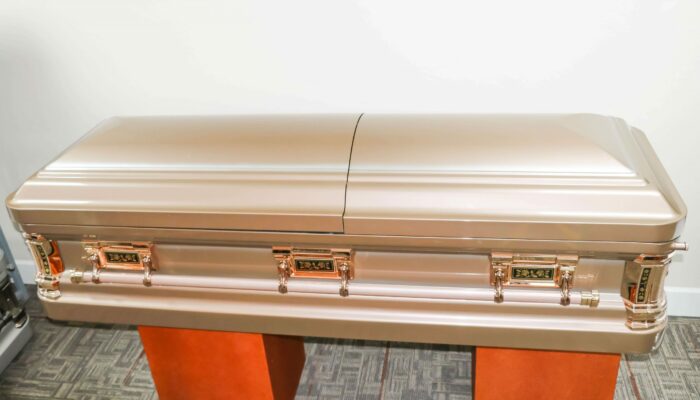
Dreaming about a casket can be a perplexing and emotionally charged experience. For many, this symbol immediately conjures feelings of loss, finality, and a confrontation with mortality. However, in the realm of dream interpretation, the casket rarely serves as a literal omen of death. Instead, it functions as a potent metaphor for the end of a cycle, the containment of emotions, and the necessity of transition.
The casket invites the dreamer to engage in deep introspection. It represents not only the physical vessel of burial but also the metaphorical encapsulation of ideas, traumas, or aspects of the self that have been pushed aside. By analyzing this symbol, individuals can uncover suppressed fears or unresolved conflicts that are seeking acknowledgment in the waking life.
Logical and Symbolic Analysis
To understand the casket’s meaning, we can apply a logical framework to its symbolism. If we consider that a casket contains a body, and a body represents the sum of a person’s life and experiences, then the casket symbolizes the containment of those experiences. In a dream, this often points to:
- Emotional Repression: Feelings or memories that have been “buried” to avoid pain.
- Unresolved Relationships: The finality of a bond that still requires emotional closure.
- Hidden Identity: Parts of the personality that the dreamer refuses to integrate or acknowledge.
Beyond containment, the casket is a symbol of duality. While it marks an end, it also serves as a vessel for preservation and the precursor to transformation. This suggests that while something in the dreamer’s life is ending, the process is necessary to make room for a new beginning.
Spiritual and Religious Perspectives
The interpretation of a casket varies significantly depending on the spiritual lens applied. Different faith traditions provide unique insights into what this symbol signifies regarding the soul and the afterlife.
Christian Interpretations
In Christianity, the casket is often viewed through the lens of resurrection and eternal life. Rather than a symbol of permanent loss, it is seen as a prelude to a new existence. Dreaming of a casket may symbolize:
- The conclusion of a difficult life phase.
- A divine reminder of the transience of earthly life.
- The spiritual “death” of the old self to allow for rebirth in faith.
Islamic Interpretations
In Islamic contexts, the casket is generally interpreted as a representation of the temporary nature of earthly existence. It serves as a reminder of the inevitable return to the Creator and the subsequent final judgment. Such dreams are often viewed as:
- A call to accountability and moral reflection.
- An encouragement to engage in spiritually enriching practices.
- A reminder to prioritize the soul’s health over material gains.
Psychological Dimensions
From a psychological standpoint, the casket is closely tied to the dreamer’s internal struggles and mental health. It often mirrors feelings of confinement, vulnerability, or the fear of the unknown. The mind may utilize this imagery to process grief, not only for a deceased person but for the loss of a job, a relationship, or a former version of oneself.
The act of confronting a casket in a dream can paradoxically lead to liberation. By acknowledging what has been “buried,” the dreamer can begin the process of psychological healing.
In therapeutic contexts, these dreams are often catalysts for growth. They push individuals to face the “shadow self”—the repressed desires and fears that reside in the subconscious. Confronting the casket is, therefore, an act of courage that allows the dreamer to move past trauma and embrace change.
Conclusion: Embracing the Lessons of the Casket
Ultimately, the casket as a dream symbol reactivates themes of mortality, transition, and the hidden depths of the human psyche. Whether viewed through a psychological, Christian, or Islamic lens, the core message remains the same: acceptance of impermanence is the key to growth. By embracing these layered meanings, we can navigate our waking lives with greater awareness and a deeper appreciation for the continuous cycle of ending and beginning.
FAQ
Does dreaming of a casket always mean death?
No, in dreams, a casket often symbolizes the end of a phase, the suppression of emotions, or a spiritual transition rather than literal death.
What does a casket symbolize in a Christian dream context?
In Christianity, it often represents the transition to eternal life, resurrection, and the promise of new beginnings.
What is the psychological meaning of seeing a casket in a dream?
Psychologically, it may reflect feelings of confinement, the need to let go of old habits, or the processing of grief and loss.





Leave a Reply