
Short Answer
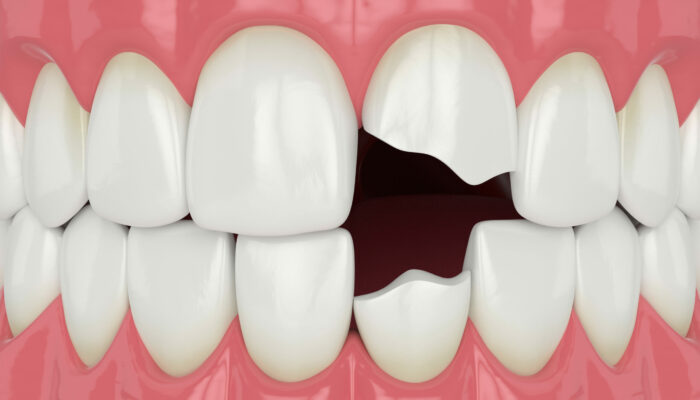
Dreams serve as profound windows into our subconscious, revealing our innermost thoughts, fears, and desires. Among the myriad symbols that can appear in our dreamscapes, the imagery of broken teeth resonates with a plethora of meanings, ranging from psychological distress to spiritual transitions. This article provides a comprehensive examination of these interpretations through various lenses to offer clarity on this disquieting experience.
Psychological Perspectives on Broken Teeth
In psychological terms, teeth are frequently associated with personal confidence, power, and self-esteem. Because teeth are essential for eating and speaking, they symbolize our ability to survive and communicate effectively. When a tooth breaks in a dream, it often signifies a perceived loss of these attributes.
Insecurity and Vulnerability
A broken tooth may represent a sense of vulnerability or the feeling that something essential has been lost—be it authority, integrity, or confidence. This imagery often correlates with:
- Fear of Aging: Anxiety regarding the loss of youth and physical beauty.
- Social Anxiety: The fear of being judged, humiliated, or not being taken seriously by others.
- Feelings of Inadequacy: A sense of failure in professional or personal spheres.
Powerlessness and Communication
The fracture of a tooth can also symbolize internal struggles regarding expression. When an individual feels unable to articulate their thoughts or emotions in waking life, the subconscious may manifest this as a physical break in the apparatus of speech. This suggests a need to reclaim personal power and find one’s voice in the face of conflict.
Spiritual and Religious Interpretations
Beyond the psychological, the symbolism of broken teeth extends into various spiritual frameworks, where they often carry weightier, sometimes prophetic, meanings.
Christian Biblical Context
In some Christian interpretations, broken teeth can symbolize divine judgment or spiritual diminishment. The Bible often associates teeth with strength and perseverance. For example, Psalm 58:6 uses the imagery of broken teeth to signify the powerlessness of the wicked against adversarial forces. Consequently, such a dream may prompt the individual to reflect on their moral standing and seek reconciliation.
Islamic Traditions
Within Islamic dream interpretation, teeth are often viewed as symbols of family lineage and legacy. A broken tooth may denote a disruption within familial bonds or an impending loss involving close relatives. These dreams are frequently perceived as warnings, urging the dreamer to be more attentive to their personal connections and family responsibilities.
Cultural and Symbolic Variations
Different cultures interpret the loss or breakage of teeth in diverse ways, often reflecting the societal values of those populations.
| Perspective | Common Interpretation |
|---|---|
| Indigenous Cultures | Upcoming life transitions; a herald of growth through adaptation. |
| Modern Psychology | Stress-induced anxiety or fear of loss of control. |
| Traditional Folklore | Potential warnings of illness or change in social status. |
Conclusion: Turning Anxiety into Insight
Ultimately, the dream meaning of a broken tooth is layered and multifaceted. Whether viewed as a harbinger of loss, a sign of transformation, or a reflection of deep-seated insecurity, it serves as a poignant reminder of human vulnerability. By recognizing these diverse interpretations, individuals can transform a distressing dream into a catalyst for personal growth, spiritual development, and psychological healing.
FAQ
What is the most common psychological meaning of dreaming about a broken tooth?
It often signifies a loss of confidence, feelings of vulnerability, or anxiety regarding aging and inadequacy.
How is a broken tooth interpreted in Islamic dream tradition?
In Islamic traditions, it may denote a loss within family lineage, health, or social standing.
Does dreaming of broken teeth always mean something negative?
Not necessarily; in some indigenous cultures, it can herald a pivotal life transition and potential for growth and enlightenment.
FAQ
What is the most common psychological meaning of dreaming about a broken tooth?
It often signifies a loss of confidence, feelings of vulnerability, or anxiety regarding aging and inadequacy.
How is a broken tooth interpreted in Islamic dream tradition?
In Islamic traditions, it may denote a loss within family lineage, health, or social standing.
Does dreaming of broken teeth always mean something negative?
Not necessarily; in some indigenous cultures, it can herald a pivotal life transition and potential for growth and enlightenment.


Leave a Reply