
Short Answer
Introduction
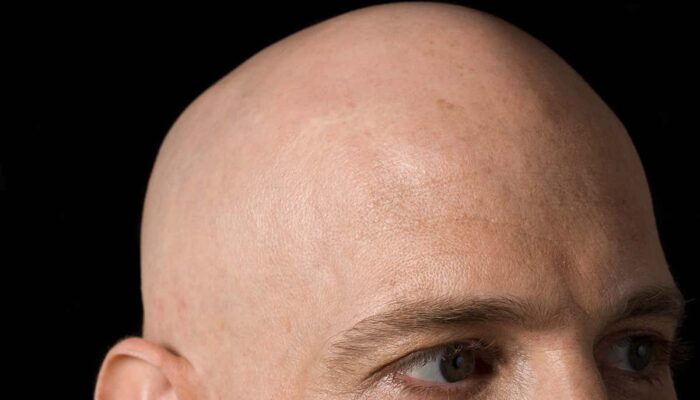
Dreams often act as mirrors of the subconscious, revealing concerns, hopes, and unresolved emotions. One recurring image is that of being bald—a motif that can provoke feelings of vulnerability, power, or renewal. This article examines the multiple layers of meaning attached to baldness in dreams, drawing from psychological theory, religious tradition, and cultural perception.
Psychological Perspectives
From a modern psychological viewpoint, hair is closely linked to self‑image, vitality, and social identity. Consequently, dreaming of a bald head may reflect:
- Fear of aging or loss of attractiveness: The sudden absence of hair can symbolize anxieties about growing older or losing youthful appeal.
- Stripping away pretenses: Baldness can represent a desire to discard masks or societal expectations, revealing an authentic self.
- Existential transition: The dream may mark a period of personal upheaval, where the dreamer feels “naked” or exposed, prompting introspection and potential growth.
Therapists often encourage clients to explore what hair means to them personally, as the symbolism can differ widely based on individual experience.
Religious and Spiritual Interpretations
Biblical Context
In the Judeo‑Christian tradition, hair frequently denotes strength and honor. The story of Samson (Judges 16) illustrates how the loss of hair leads to a loss of divine power. Accordingly, a dream of baldness may be interpreted as:
- A warning of impending humility or a call to repentance.
- A reminder that true worth lies in inner virtues rather than outward appearance.
Islamic View
Classical Islamic dream literature, such as the works of Ibn Sirin, assigns a generally positive connotation to baldness. It can signify:
- Prosperity or material wealth.
- Spiritual clarity, suggesting the dreamer is shedding worldly attachments.
- Wisdom gained through life experience.
Thus, a bald head in an Islamic dream may be an encouraging sign of personal development and divine favor.
Cultural and Societal Symbolism
Across cultures, baldness carries divergent meanings:
- Strength and masculinity: In many warrior societies, a shaved head denotes bravery and authority.
- Decline or infirmity: Contemporary Western media sometimes links baldness with aging or loss of vigor.
- Modern empowerment: Public figures who embrace baldness can redefine it as a statement of confidence.
These cultural lenses shape how individuals interpret their own bald‑themed dreams.
Baldness and Future Expectations
The act of losing hair in a dream can serve as a metaphor for embarking on a new life chapter. By shedding a familiar attribute, the dreamer may be preparing mentally for change—whether it be a career shift, a relationship transition, or a spiritual awakening. This symbolism highlights a paradox: loss becomes a gateway to renewal.
Impact on Self‑Worth and Relationships
Dreams about baldness often surface when concerns about how others perceive us arise. They can prompt questions such as:
- Do I feel accepted for who I am beyond my physical appearance?
- Am I seeking validation from peers or loved ones?
Reflecting on these queries can deepen self‑understanding and improve interpersonal dynamics.
Conclusion
Whether viewed through a psychological, religious, or cultural lens, the dream of being bald encapsulates themes of loss, authenticity, and transformation. Recognizing the nuanced symbolism can guide dreamers toward greater self‑acceptance and an openness to the possibilities that change brings.
FAQ
What does a dream of being completely bald indicate?
It often points to feelings of vulnerability, a desire to shed pretenses, or a transition toward greater authenticity.
Can a baldness dream have a positive meaning in Islam?
Yes; classical Islamic sources associate baldness with wealth, wisdom, and spiritual clarity.
Why might a baldness dream feel frightening for some people?
Hair is linked to identity and youth, so its loss can trigger anxieties about aging, attractiveness, or social acceptance.



Leave a Reply