
Short Answer
Overview
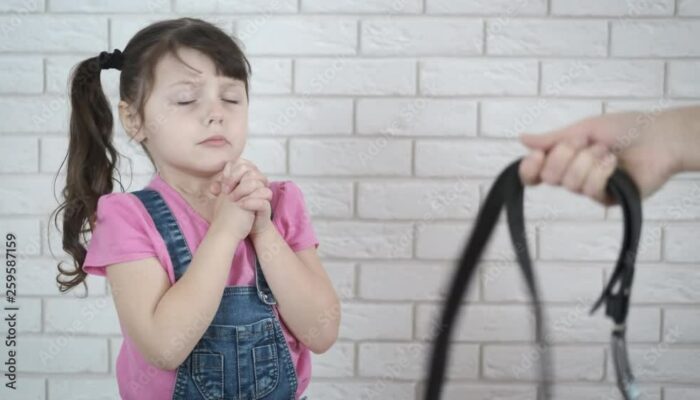
Dreams serve as a reflective surface for our subconscious, bringing forward images that can be both unsettling and illuminating. One of the more jarring scenarios that appear in dream reports is the act of beating a child. While the literal content is disturbing, the symbolism embedded in the image can reveal much about a dreamer’s emotional state, moral concerns, and cultural background.
Core Symbolism
In dream analysis, a child typically represents innocence, vulnerability, and aspects of the self that are still developing. The act of beating, by contrast, conveys aggression, conflict, and a sense of violation. When these two symbols combine, the dream creates a tension between nurturing and harm, prompting the dreamer to examine the following questions:
- What part of my life feels threatened or unsafe?
- Am I experiencing guilt related to my role as a caregiver, mentor, or protector?
- Do I harbor repressed anger that is being projected onto an innocent figure?
Psychological Perspectives
Various schools of psychology interpret this dream differently:
| Approach | Key Interpretation |
|---|---|
| Freudian Psychodynamics | Unresolved childhood trauma or repressed sexual aggression may surface as violent imagery toward a child figure. |
| Jungian Archetypal | The child symbolizes the inner child archetype; beating it reflects a conflict with one’s own vulnerable self. |
| Cognitive‑Behavioral Therapy (CBT) | The dream may mirror current stressors or self‑critical thoughts, using the child as a metaphor for perceived personal failures. |
In many cases, the violent act is not a literal desire but a symbolic expression of harsh self‑judgment or an internal struggle to integrate conflicting aspects of the personality.
Spiritual and Religious Interpretations
Across major faith traditions, children are regarded as sacred and deserving of protection:
- Christianity: The dream can signal a moral warning, urging the dreamer to realign actions with the biblical call to love and protect the innocent (e.g., Matthew 18:10).
- Islam: Children are viewed as trusts from Allah; the dream may indicate a feeling of inadequacy in fulfilling that trust, prompting a call for patience and compassion.
- Indigenous & Animist Beliefs: Children often embody the continuity of cultural and spiritual lineage. Violence toward them in a dream may be interpreted as a caution to honor future generations.
These spiritual lenses commonly emphasize the need for introspection, repentance, or a renewed commitment to nurturing values.
Cultural Contexts
Societal attitudes toward child discipline shape how such dreams are experienced:
- In cultures where corporal punishment is historically accepted, the dream may reflect internalized norms and the dreamer’s ambivalence about those practices.
- In societies with strong child‑rights movements, the same imagery can trigger intense guilt or moral panic, highlighting a clash between personal history and contemporary ethics.
Understanding the cultural backdrop helps differentiate whether the dream points to personal trauma, societal pressure, or a broader ethical questioning.
Practical Guidance for Dreamers
When confronting this unsettling dream, consider the following steps:
- Journal the details: Note emotions, setting, and any personal connections to children in waking life.
- Explore current stressors: Identify sources of anger, guilt, or responsibility that may be feeding the imagery.
- Seek professional support: A therapist trained in dream work can help unpack repressed emotions safely.
- Reflect on spiritual teachings: If you follow a faith tradition, review relevant texts on compassion and protection of the vulnerable.
By treating the dream as a symbolic signal rather than a literal impulse, the experience can become a catalyst for personal growth.
Conclusion
Dreaming of beating a child weaves together threads of psychological conflict, spiritual admonition, and cultural conditioning. While the image is distressing, its layered meanings invite the dreamer to examine hidden aggression, unresolved childhood issues, and moral values. Through reflective practice and, when appropriate, professional guidance, this dream can serve as a valuable portal to deeper self‑understanding and healing.
FAQ
Why does my mind use a child in such a violent dream?
The child often stands for a vulnerable part of yourself; the violence can symbolize harsh self‑judgment or unresolved aggression toward that part.
Is this dream a sign that I might act violently in waking life?
No. Dream imagery is symbolic. It usually reflects internal conflict rather than a literal intention to harm.
Can spiritual practices help resolve the distress from this dream?
Many traditions encourage reflection, prayer, or meditation on compassion, which can soothe guilt and guide the dreamer toward healthier emotional integration.



Leave a Reply