
Short Answer
Introduction
Throughout history, angels have served as messengers between the earthly and the divine. When they surface in nightly visions, they carry a spectrum of meanings that blend religious tradition, cultural symbolism, and the workings of the subconscious mind.
Spiritual Significance
In many religious traditions, angels function as intermediaries of a higher power. Within Christianity, they are often viewed as heralds of God’s will, offering comfort and direction. Islamic teachings describe angels as obedient creations of Allah who record deeds and provide protection. Dreaming of an angel can therefore be interpreted as a sign of spiritual reassurance, an invitation to seek guidance, or an affirmation of faith during periods of uncertainty.
Symbolic Interpretation
From a symbolic perspective, angels embody archetypal virtues such as compassion, courage, and wisdom. The presence of an angelic figure may indicate the emergence of these qualities within the dreamer’s psyche. Conversely, a disturbing or ominous angel could reflect internal moral conflict or unresolved anxieties.
- Guidance: A gentle, luminous angel often signals a need for direction or clarity.
- Protection: Wings and radiant light can denote a feeling of being safeguarded.
- Self‑Ideal: An angel may represent the aspirational self—qualities the dreamer wishes to cultivate.
Cultural Perspectives
Beyond the Abrahamic faiths, angels appear in indigenous and folk belief systems as protectors of nature or guides through life transitions. In these contexts, dreaming of angels may connect the individual to ancestral wisdom or the larger ecological order.
Psychological Viewpoint
Carl Jung identified angels as archetypal figures arising from the collective unconscious. In Jungian analysis, an angelic dream image can denote a yearning for transcendence, a dialogue with the moral self, or an integration of the “Self” archetype. Modern dream research also suggests that angels often surface when the subconscious is processing themes of safety, purpose, or moral evaluation.
Emotional Context
The affective tone of the dream heavily influences interpretation. A serene encounter may reflect inner peace and acceptance, while fear or confusion during the encounter can point to unresolved emotional turmoil.
“The emotion felt in the dream is the most reliable compass for decoding its meaning.” – Dream research consensus
Visual Depictions and Their Meaning
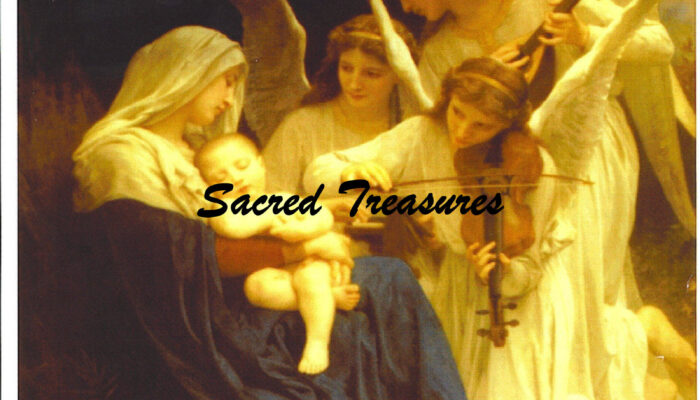
Traditional imagery—wings, halos, flowing robes—emphasizes the ethereal nature of angels. Contemporary visions may portray angels in everyday clothing or as abstract light, mirroring the dreamer’s personal belief system. Notable visual cues include:
- Wings: Symbolize freedom, ascent, or divine elevation.
- Light or Aura: Represents purity, insight, or spiritual awakening.
- Facial Expression: A smiling angel suggests reassurance; a stern face may warn of moral scrutiny.
Conclusion
Dreams of angels weave together spiritual, symbolic, and psychological threads, offering a rich tapestry for self‑reflection. Whether interpreted as divine messages, inner virtues, or cultural signposts, these celestial figures invite the dreamer to explore questions of guidance, morality, and personal growth.
FAQ
What does it mean to dream of a bright, smiling angel?
It usually indicates a feeling of safety, reassurance, or the presence of supportive guidance in the dreamer's waking life.
Can an angry or threatening angel have a positive meaning?
A stern or unsettling angel often signals moral self‑examination, urging the dreamer to address inner conflicts or ethical concerns.
Do angels in dreams always have a religious significance?
Not necessarily. While many interpret them through religious lenses, they can also function as universal symbols of virtue, protection, or personal aspiration.





Leave a Reply