
Short Answer
Introduction
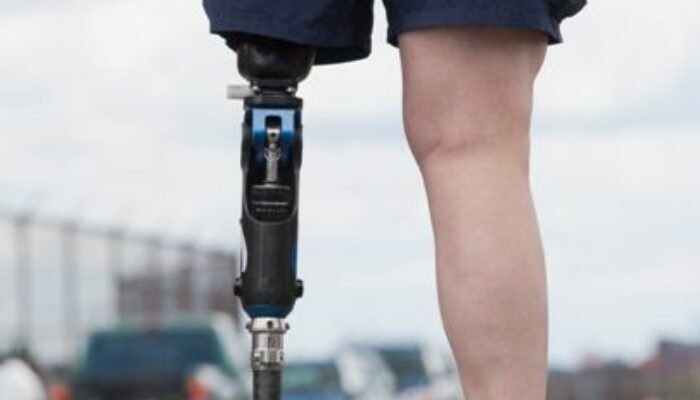
Dreams frequently use the body as a canvas for emotional and psychological messages. When a prosthetic leg appears, the image merges themes of loss, compensation, and forward movement, prompting the dreamer to consider how they navigate obstacles in waking life.
Symbolic Interpretation
In most symbolic frameworks a leg represents mobility, progress, and personal drive. A prosthetic replacement adds layers of meaning:
- Adaptation: The need to adjust to new circumstances or to rely on external aids.
- Resilience: Overcoming perceived limitations and continuing forward.
- Support Systems: Recognition of relationships, tools, or beliefs that help sustain movement.
These elements often combine to convey a message of empowerment through change.
Spiritual and Religious Perspectives
Interpretations vary across faith traditions:
- Christianity: The prosthetic leg can echo biblical themes of restoration and the “new creation” (2 Cor 5:17). It may be seen as a sign of divine assistance in rebuilding what was broken.
- Islam: The Qur’an emphasizes patience (صبر) and perseverance (ثبات). A prosthetic leg may symbolize the believer’s capacity to move forward despite trials, reflecting verses such as 2:286.
- Buddhist View: The image can illustrate the doctrine of impermanence and the skillful means (upāya) by which practitioners adapt their practice to suit changing conditions.
Psychological Analysis
From a modern psychological standpoint, the prosthetic leg can represent:
| Psychological Theme | Possible Meaning |
|---|---|
| Body Image Concerns | Feelings of inadequacy or a need to “make up” for perceived deficits. |
| Life Transitions | Adjusting to major changes such as career shifts, relationship endings, or health issues. |
| Dependence vs. Independence | Balancing the desire for self‑reliance with the acknowledgment of needing help. |
In many cases the dream acts as an invitation to explore how the dreamer compensates for loss—whether through new skills, therapy, or community support.
Common Dream Scenarios
Below are typical ways the prosthetic leg may appear, together with interpretive cues:
- Walking confidently with a new prosthetic – Indicates successful adaptation and growing confidence.
- Losing or breaking the prosthetic – May signal fear of regression or anxiety about losing earned progress.
- Seeing someone else’s prosthetic leg – Reflects empathy toward others’ struggles or a projection of your own hidden vulnerabilities.
- Feeling pain in the prosthetic – Suggests unresolved emotional “aches” related to the change.
How to Reflect on the Dream
“A dream is a hidden doorway; the images it offers are clues to the waking self.” – Carl Jung
Consider the following steps:
- Recall the emotional tone—was the experience empowering, fearful, or neutral?
- Identify real‑life areas where you feel “augmented” by tools, habits, or relationships.
- Journal any recent transitions that required you to “re‑learn” how to move forward.
- If the dream felt unsettling, explore whether you are resisting assistance or change.
Conclusion
The prosthetic leg is a rich, multifunctional symbol that bridges bodily imagery with deeper narratives of adaptation, support, and spiritual perseverance. By examining its context—whether religious, psychological, or purely symbolic—dreamers can gain actionable insight into how they confront and transcend life’s challenges.
FAQ
What does dreaming of a prosthetic leg suggest about my personal growth?
It often indicates that you are learning to adapt to new circumstances and that you possess the inner resources needed to continue moving forward despite perceived limitations.
Can the dream be a warning about dependence on others?
If the dream feels uncomfortable, it may be prompting you to examine whether you rely too heavily on external support and encouraging you to balance assistance with personal agency.
Do different cultures interpret this symbol in the same way?
While the core ideas of adaptation and perseverance are common, specific religious traditions add layers such as divine restoration in Christianity or patience in Islam.




Leave a Reply