
Short Answer
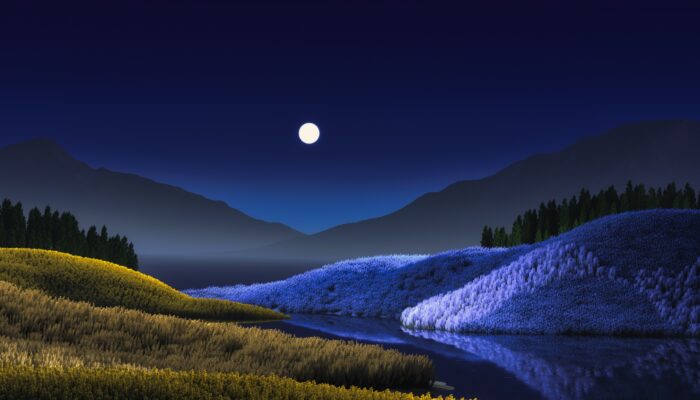
Night, a perpetual event in the daily cycle, is laden with profound significance across various dimensions—be they psychological, spiritual, or symbolic. In the realm of dream interpretation, the enveloping cloak of night often serves as a metaphor for the subconscious, where our deepest desires are intricately interwoven with our most persistent anxieties.
The Duality of Darkness
In dream analysis, the night is rarely a simple indicator of one emotion; rather, it possesses a striking duality. While it can embody oblivion, uncertainty, and the unknown, it simultaneously symbolizes rest, rejuvenation, and the necessary silence required for growth.
Positive and Negative Interpretations
| Aspect | Symbolic Meaning |
|---|---|
| The Shadow | Fear, vulnerability, unresolved trauma, or the “hidden” self. |
| The Sanctuary | Peace, spiritual renewal, introspection, and protection from the chaos of day. |
| The Transition | The period before a breakthrough or the promise of a new dawn. |
Psychological Perspectives
From a psychological standpoint, the night represents the uncharted territories of the human psyche. Carl Jung, a pioneer in analytical psychology, posited that darkness evokes archetypes of fear and aggression, but also symbolizes the latent potential within every individual.
Dreams set at night often portray a journey toward individuation—the process of integrating the conscious mind with the unconscious self. By facing the “darkness” in a dream, the dreamer may be attempting to confront and integrate aspects of their personality they have previously ignored or suppressed.
Spiritual and Cultural Significance
Different faith traditions and cultural narratives provide diverse frameworks for understanding the meaning of night:
- Christianity: Night often appears in biblical narratives as a time of divine intervention. The darkest hours frequently precede the most illuminating revelations, emphasizing faith and spiritual vigilance during times of turmoil.
- Islam: The night is endowed with profound sanctity. The practice of Qiyam al-Layl (night prayer) highlights the tranquility of these hours as an ideal time for supplication, reflection, and communion with the divine.
- Cultural Arts: In literature and poetry, from Shakespearean sonnets to modern verse, the night is frequently used as a motif for love, passion, and emotional complexity, highlighting the enigma of human desire.
The Primal Fear of the Dark
Beyond symbolism, the anxiety associated with the encroachment of night is rooted in evolutionary biology. Our ancestors faced genuine threats lurking in the shadows, and this primal fear persists today. In dreams, this may manifest as nyctophobia (fear of the dark) or general sleep anxiety, reflecting a feeling of being unprotected or overwhelmed by circumstances beyond one’s control.
“The dark hours are not merely an absence of light; they weave together narratives of struggle, reflection, and discovery.”
Conclusion
Navigating the conundrum of the night—its dreams, spiritual resonance, and psychological implications—reveals that darkness is a potent catalyst for growth. When we embrace the night and lay bare our fears, we transform our aspirations into actionable insights, ultimately illuminating the path toward self-discovery.
FAQ
Does dreaming of night always mean something negative?
No. While it can represent fear or the unknown, it often symbolizes peace, rejuvenation, and the potential for spiritual renewal.
Why do I feel anxious when the setting of my dream is night?
This often stems from a primal evolutionary fear of the dark or a psychological feeling of vulnerability in your waking life.
What is the connection between night and the subconscious?
Psychologically, the absence of light mirrors the 'hidden' nature of the subconscious, where repressed emotions and desires reside.



Leave a Reply