
Short Answer
Introduction
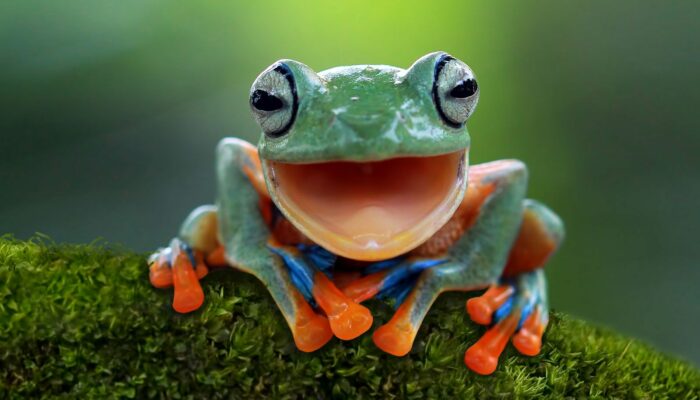
Frogs appear in dreams as vivid symbols that bridge the worlds of water and land, emotion and intellect, and the mundane and the mystical. Their life‑cycle—from egg to tadpole to adult—makes them powerful icons of change, making any encounter in sleep a prompt to examine personal transformation.
Symbolism of the Frog
Throughout history the frog has been associated with:
- Transformation: the metamorphosis from aquatic tadpole to terrestrial adult represents personal growth and renewal.
- Fertility and abundance: many cultures view the frog as a harbinger of fertile conditions and prosperity.
- Adaptability: its ability to thrive in both water and on land symbolizes flexibility in navigating life’s shifts.
Spiritual Meanings Across Traditions
Interpretations vary by religion and culture, yet common threads emerge.
Christianity
Frogs are linked to themes of resurrection and baptism, reflecting rebirth. The Biblical plague of frogs in Egypt also conveys a cautionary aspect, reminding believers of the dual nature of symbols.
Islam
In Islamic dream literature, frogs often relate to water—a source of life and purification. Dreaming of a frog may suggest a period of spiritual cleansing or moral renewal.
Ancient Egypt
The goddess Heqt, depicted as a frog, embodied fertility and childbirth, underscoring the amphibian’s role as a life‑giving force.
Native American Traditions
Many tribes associate frogs with rain, fertility, and the health of the ecosystem, reinforcing the idea that the creature signals cycles of renewal.
Psychological Meaning
From a Jungian perspective, the frog functions as an archetype of regeneration. Encountering a frog in a dream can indicate that the dreamer is undergoing an inner metamorphosis—shedding outdated habits and embracing a more authentic self.
The amphibian’s dual habitat mirrors the integration of feeling (water) and thinking (earth). A frog dream may therefore invite the sleeper to balance intuition with rational analysis, or to explore emotions that lie beneath the surface of consciousness.
Frogs are also linked to voice and communication. Their croak can symbolize the need to express hidden thoughts or to confront unspoken truths, encouraging the dreamer to “leap” into honest dialogue.
Common Dream Scenarios Involving Frogs
- Seeing a frog: A sign that change is imminent; pay attention to areas of life that feel stagnant.
- Holding or catching a frog: Indicates taking control of the transformative process and embracing new opportunities.
- A frog jumping: Represents sudden opportunities or impulses urging swift action.
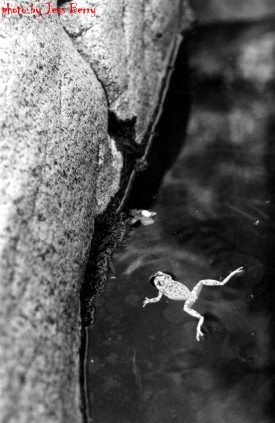
- Frogs in water: Highlights emotional currents; may suggest a need to delve deeper into personal feelings.
- Multiple frogs: Amplifies themes of fertility, community, or collective change.
Conclusion
Whether viewed through cultural mythology, religious symbolism, or depth psychology, the frog in dreams consistently points toward transformation, adaptability, and the integration of opposites. By reflecting on the specific context of the frog’s appearance—its behavior, setting, and your emotional response—you can uncover personalized guidance for growth and renewal.
FAQ
What does it mean to dream of a frog jumping?
A jumping frog usually signals an upcoming opportunity that requires swift action; it encourages you to seize the moment.
Is a frog dream a good omen?
Generally, yes. The frog’s association with renewal and fertility suggests positive change, though the specific context determines the nuance.
Why do some cultures view frogs negatively?
In certain myths frogs are linked to plagues or disease, reflecting the dual nature of symbols that can represent both creation and disruption.

Leave a Reply