
Short Answer
Understanding the Symbolism of Bugs in Dreams
Dreams often act as a cryptic medium through which the subconscious communicates deep-seated sentiments, desires, and fears. When insects—commonly referred to as “bugs”—appear in the dreamscape, they often serve as potent symbols. Depending on the context, these creatures can represent anything from mundane daily nuisances to profound spiritual transformations.
Interpreting the significance of bugs requires a journey into both the personal psyche and the broader tapestry of global symbolism. Whether the insects are perceived as grotesque or benign, their presence typically reflects the dreamer’s internal state and their expectations for the future.
Psychological Perspectives on Insect Dreams
From a psychological standpoint, bugs often mirror our emotional responses to stress and anxiety. Sigmund Freud suggested that such imagery could embody repressed desires or innermost fears. When the mind is grappling with instability, insects may manifest as a representation of that which feels “out of control.”
Common Psychological Interpretations
- Anxiety and Stress: Dreaming of “creepy crawlies” often signals that the dreamer is overwhelmed by stress or experiencing a period of significant life upheaval, such as a career shift or relocation.
- Social Pressures: Swarms of insects can represent overwhelming societal pressures or the feeling of being crowded by the demands of others.
- Coping Mechanisms: The dreamer’s reaction to the bugs is telling. Fear may indicate a fragile mental disposition toward current challenges, while a calm acceptance suggests resilience and adaptability.
Cultural and Spiritual Interpretations
The meaning of bugs varies significantly across different cultural and religious frameworks, often embodying a duality of being both revered and reviled.
Biblical and Christian Symbolism
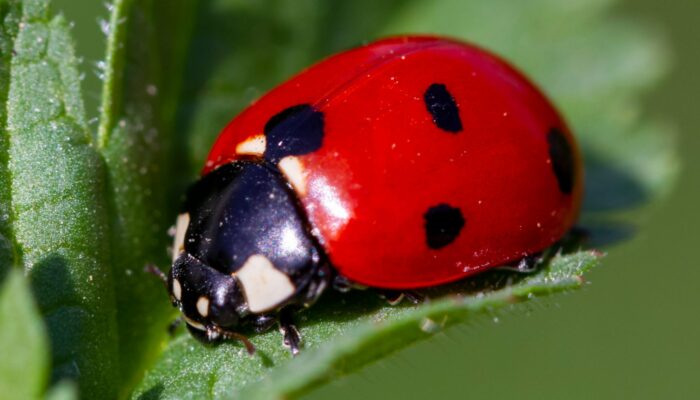
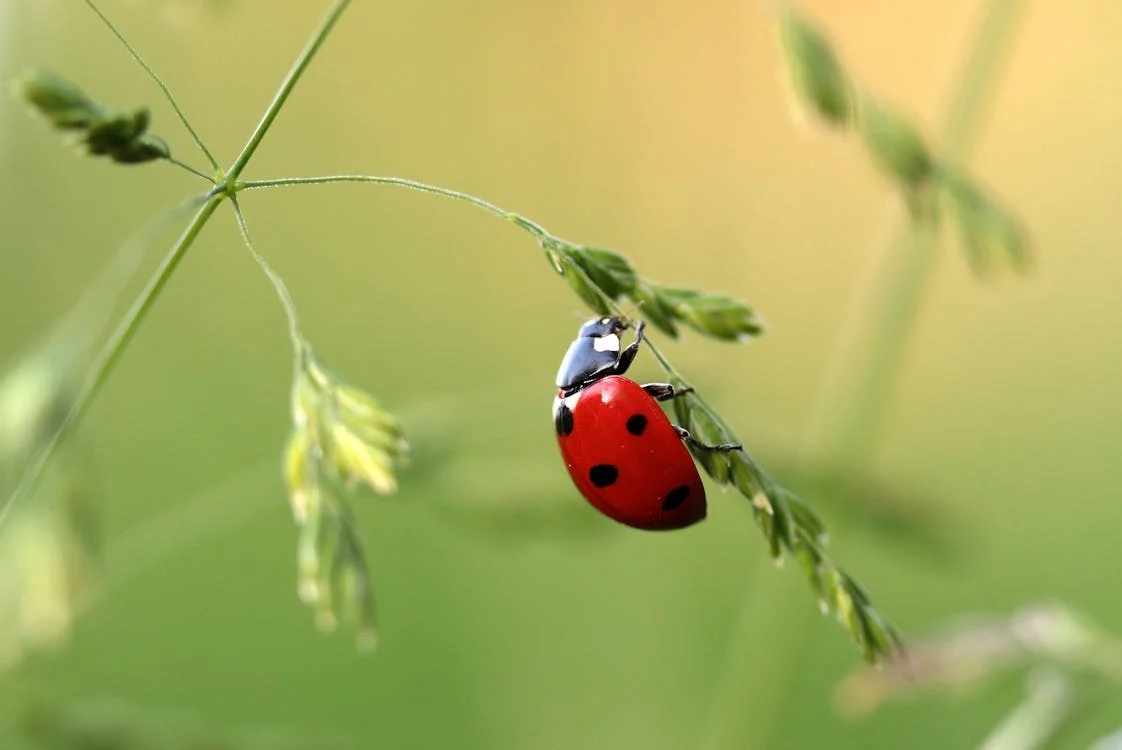
In biblical contexts, insects often carry profound implications regarding divine will and transformation. For example, locusts in the Book of Exodus are depicted as instruments of divine warning and symbols of the tumultuous shifts that follow disobedience. Conversely, the ladybug is frequently viewed as a divine messenger, symbolizing protection, luck, and hope for future endeavors.
Islamic Traditions
In Islamic philosophical thought, insects underscore the importance of humility and the ecological balance of the universe. The Quran mentions various creatures to emphasize that even the smallest beings have a role in the grand design. In this context, bugs may symbolize human vulnerability and the transient nature of earthly existence.
Western Cultural Archetypes
| Insect Type | Common Symbolic Meaning |
|---|---|
| Butterfly | Metamorphosis, renewal, and hope arising from past tribulations. |
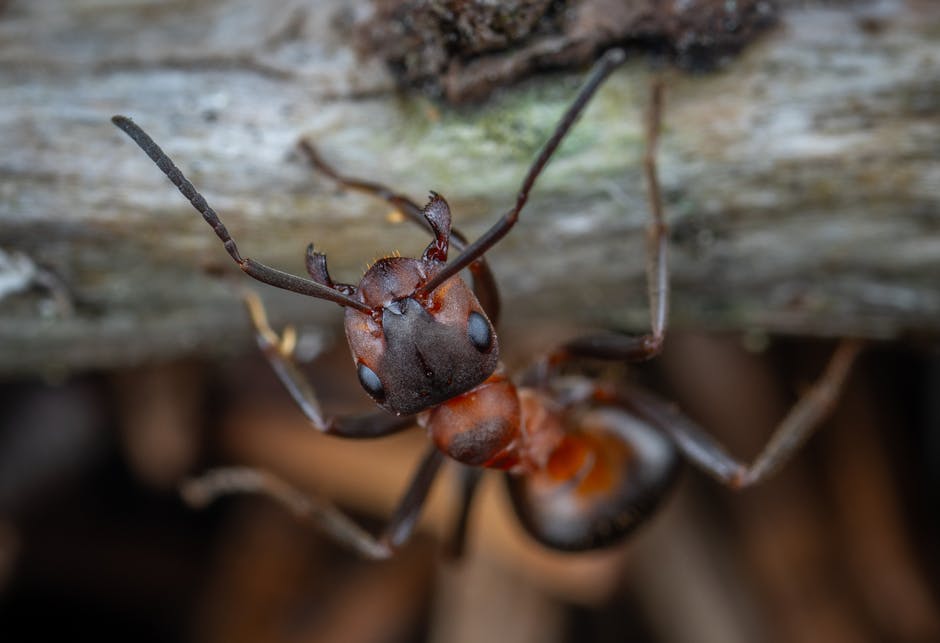
| Ants | Teamwork, communal effort, or the feeling of being a small part of a large system. |
| Fruit Fly | Decay or the need to confront stagnant aspects of one’s life. |
| Dragonfly | Adaptation, transformation, and a shift in perspective. |
| Spider | Intricacy, patience, or feeling trapped in a complex web of circumstances. |
Conclusion: Integrating Dream Insights
The dream meaning of bugs is an expansive subject that interlaces personal psychology with cultural narratives. Whether these tiny creatures appear as a swarm of anxiety or a single symbol of hope, they urge the dreamer to reflect on their current path and the transformations that lie ahead. By analyzing these symbols, individuals can gain valuable insights into their subconscious and mold their expectations for the future with greater clarity.
FAQ
What does it mean if I dream of a swarm of bugs?
Swarms often represent feeling overwhelmed by social pressures, anxieties, or a multitude of small problems in your waking life.
Are all bug dreams negative?
No. Many insects, such as butterflies and ladybugs, are symbols of good fortune, transformation, and hope.
Why do I dream of bugs when I am stressed?
Psychologically, insects can represent the 'irritants' or 'uncontrollable' aspects of your life, manifesting as bugs to reflect your internal distress.
Leave a Reply