
Short Answer
Introduction
Throughout human history, stars have served as navigational beacons, mythic icons, and objects of wonder. When they surface in our dreams, these celestial bodies carry a rich tapestry of meanings that extend beyond their astronomical properties. This article surveys the principal interpretations of stars in dreams, drawing on psychological theory, religious tradition, and cross‑cultural symbolism.
Dream Symbolism of Stars
Aspiration and Hope
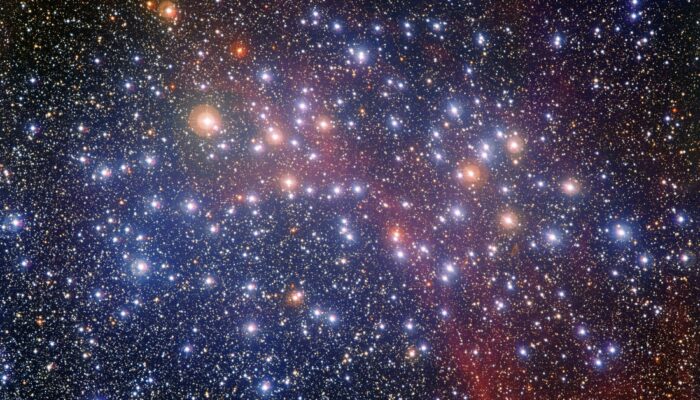
In many dream reports, stars represent the dreamer’s deepest aspirations. Their bright, distant light is often described as “illuminating a path” toward personal growth, ambition, or spiritual enlightenment. Psychologists interpret this motif as the subconscious highlighting goals that feel both desirable and currently out of reach.
Absence or Darkness
The opposite scenario—dreaming of a sky devoid of stars—can signal feelings of despair, loss of direction, or a perceived void in one’s life purpose. The darkness amplifies the sensation of uncertainty, suggesting that the dreamer may be navigating a period of emotional turbulence.
Variations in Appearance
- Shooting stars: fleeting wishes, urgent opportunities, or a sudden insight.
- Constellations: structured patterns that may reflect a need for order or a connection to cultural myths.
- Falling stars: fear of losing hope or concern that cherished ambitions are slipping away.
Psychological Perspectives
Cognitive View
Cognitive psychology treats dream imagery as a mirror of waking concerns. Stars, as stable yet distant points, can symbolize mental anchors that provide continuity amid daily chaos. Their recurring presence may thus reinforce resilience by reminding the dreamer that hope persists even in turbulent times.
Jungian Archetype
Carl Jung classified stars as a universal archetype representing the “celestial guide” within the collective unconscious. In Jungian analysis, a star‑filled dreamscape can indicate an encounter with a higher aspect of the self, prompting integration of unconscious material into conscious awareness.
Spiritual and Religious Significance
Christian Tradition
The Star of Bethlehem is a cornerstone example of stars as divine messengers. In Christian symbolism, stars guide believers toward truth and revelation, echoing the biblical narrative where a luminous star led the Magi to the newborn Christ.
Islamic Interpretation
In the Qur’an, stars are described as signs of Allah’s creation and as tools for navigation across the desert. They embody divine omniscience and serve as reminders of the Creator’s order, encouraging contemplation of one’s place within the cosmos.
Indigenous and Eastern Views
Many indigenous cultures regard stars as ancestral spirits or guardians, linking celestial bodies to communal memory and lineage. In Chinese tradition, stars are associated with good fortune, prosperity, and the cyclical nature of time, often appearing in festivals and lunar calendars.
Philosophical Reflections
Philosophers have long used the vastness of the night sky to explore existential questions. Stars provoke humility—highlighting humanity’s smallness—while simultaneously inviting a sense of cosmic responsibility. The interplay of light and darkness in a star‑filled dream can mirror the dialectic of hope and doubt that defines the human condition.
Light, Dark, and the Human Narrative
The brilliance of stars cutting through night serves as a metaphor for moments of clarity amid confusion. As symbols, they balance opposites: optimism versus fear, certainty versus ambiguity. This duality enriches their interpretive potential, allowing each dreamer to project personal meaning onto the celestial canvas.
Conclusion
Stars in dreams are multifaceted symbols that traverse psychological, spiritual, and cultural domains. Whether they appear as guiding lights, distant aspirations, or absent voids, their presence invites introspection about one’s hopes, fears, and sense of purpose. By examining the context of the dream and the dreamer’s personal background, the symbolic language of stars can reveal valuable insights into the inner landscape.
“The night sky is a mirror of the soul; every star reflects a longing, a memory, or a promise yet to be fulfilled.”
FAQ
What does dreaming of bright stars signify?
Bright stars usually indicate optimism, personal ambition, or a sense that one is moving toward a desired goal.
Why might the absence of stars in a dream feel unsettling?
A starless sky can mirror feelings of confusion, hopelessness, or a perceived lack of direction in waking life.
Can cultural background influence the interpretation of star dreams?
Yes; religious and cultural narratives—such as the Star of Bethlehem or indigenous ancestor‑star beliefs—shape how individuals assign meaning to star imagery.




Leave a Reply