

Short Answer
Introduction to Serpentine Imagery in Dreams
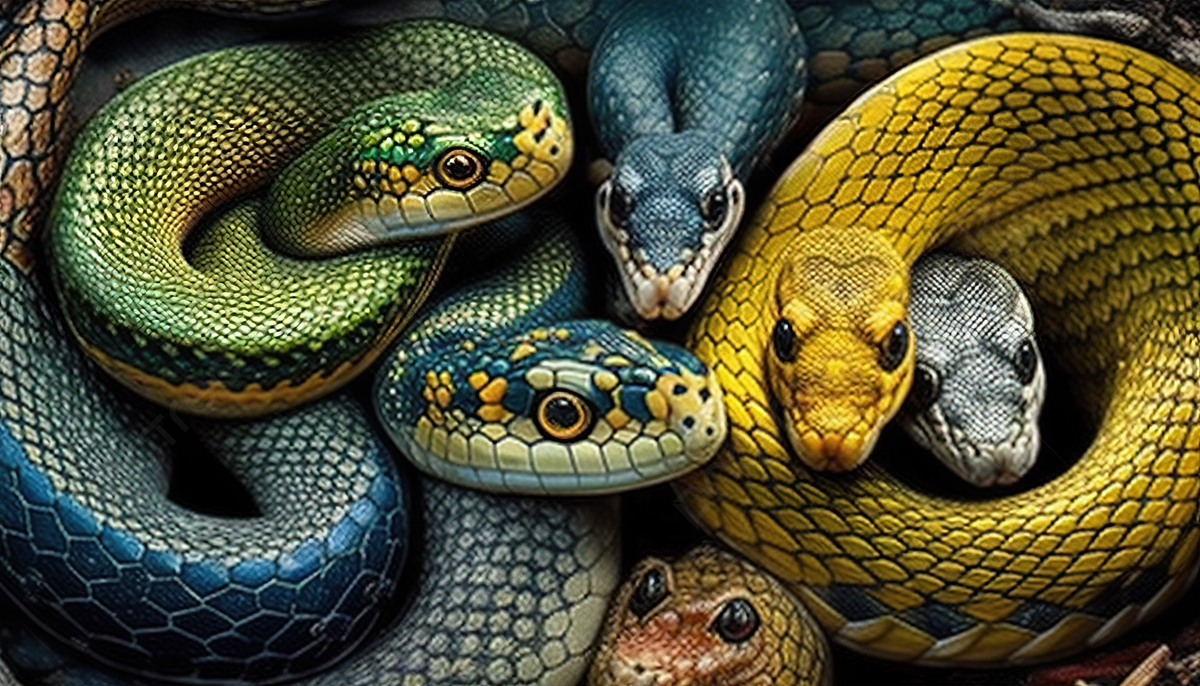
Within the complex tapestry of human experience, dreams often weave narratives that elicit profound curiosity and introspection. One of the most visceral encounters is the dream of snakes—creatures that have been both revered and reviled throughout human history. When a dreamer experiences a scenario where there are snakes everywhere, the intensity of the imagery often mirrors the urgency of the underlying message.
From the serpentine figures of ancient mythology to modern symbols of wisdom and transformation, snakes offer a plethora of interpretations. Deciphering these nocturnal reveries requires a multimodal approach, blending psychological theory, spiritual frameworks, and cultural symbolism to understand what these creatures signify in the context of the dreamer’s waking life.
Psychological Perspectives on Abundant Snakes
When examining dreams through a psychological lens, the presence of numerous snakes often relates to the dreamer’s internal emotional state and repressed instincts.
Freudian and Jungian Interpretations
- Sigmund Freud: In classical psychoanalysis, Freud suggested that snakes can represent repressed sexual desires or feelings. The abundance of snakes might indicate a heightened state of tension or an overwhelming surge of these repressed emotions.
- Carl Jung: Jung viewed the snake as an embodiment of the shadow self—the untamed, darker aspects of the personality. To dream of snakes everywhere may suggest that the dreamer is being confronted by multiple facets of their subconscious that they have long attempted to ignore or suppress.
Anxiety and Overwhelm
From a contemporary psychological standpoint, seeing snakes everywhere often symbolizes a feeling of being overwhelmed. The sheer number of serpents can represent a “flood” of anxieties or a perceived environment filled with hidden threats, urging the dreamer to confront their psychological landscape and address latent fears.
Spiritual and Religious Symbolism
The meaning of snakes varies wildly across different spiritual traditions, often embodying a duality of danger and divinity.
Abrahamic Traditions
In Christianity, the serpent is prominently featured in the Genesis narrative as a symbol of temptation and sin. However, this is balanced by the image of the bronze serpent lifted by Moses (Numbers 21:9), which serves as a symbol of healing and divine deliverance. Thus, a dream of many snakes may represent a conflict between moral struggle and the potential for spiritual awakening.
In Islamic interpretations, snakes can be dualistic. They may indicate treachery or hidden adversaries, but depending on the interaction, they can also serve as warnings against spiritual corruption. In some eschatological contexts, they represent the trials of life and the eventual rejuvenation that follows overcoming these challenges.
Indigenous and Eastern Perspectives
Contrastingly, in many Indigenous cultures and Eastern traditions, snakes are seen as symbols of the earth, fertility, and the cyclical nature of existence. In these contexts, dreaming of snakes everywhere may not be a warning of danger, but rather a herald of new beginnings, abundant growth, and the natural process of rebirth.
The Theme of Transformation
One of the most universal interpretations of the snake is based on its biological ability to shed its skin. This makes the snake a potent symbol of metamorphosis.
| Symbolic Action | Potential Meaning |
|---|---|
| Shedding Skin | Letting go of outdated beliefs or behaviors |
| Many Snakes | A widespread transformation affecting multiple life areas |
| Snake Bite | A sudden wake-up call or a catalyst for change |
When snakes appear in abundance, it suggests that the need for change is not isolated to one part of the dreamer’s life, but is a systemic necessity for personal evolution.
Cultural Influence and Modern Archetypes
Modern interpretations are also shaped by popular culture. Characters such as Nagini from the Harry Potter series or Kaa from The Jungle Book contribute to a collective subconscious that associates snakes with loyalty, manipulation, and danger. These portrayals refine how we perceive serpentine imagery, blending ancient archetypes with contemporary narratives of power and betrayal.
Conclusion
The dream of “Snakes Everywhere” transcends the simple label of a nightmare. By analyzing the duality of the snake—as both a threat and a source of enlightenment—dreamers can find catalysts for profound personal growth. Whether viewed as a psychological shadow, a spiritual warning, or a symbol of rebirth, these visions invite us to dive deeper into the essence of the self and embrace the necessity of evolution.
FAQ
Is dreaming of snakes always a bad sign?
No. While they can represent fear or betrayal, they are also powerful symbols of healing, wisdom, and personal transformation.
What does it mean if there are many snakes instead of just one?
A multitude of snakes often suggests that the emotions or changes involved are widespread, affecting several different areas of your life simultaneously.
Why do snakes appear in dreams across so many different cultures?
Snakes are universal biological symbols of both danger (venom) and renewal (shedding skin), making them potent archetypes for the human subconscious.



Leave a Reply