
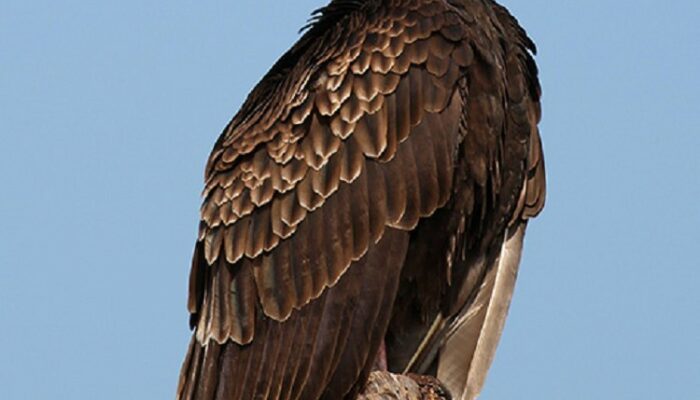
Short Answer
In the vast tapestry of dreams, symbols emerge as poignant messengers, guiding the subconscious through the complexities of human experience. Among these, the Turkey Vulture stands out as an enigmatic figure. While often misunderstood in waking life, its appearance in a dream typically prompts deep reflection on the cycles of life, death, and regeneration.
The Core Symbolism: Renewal and Transformation
Turkey Vultures occupy a unique ecological niche as scavengers. By consuming carrion, they cleanse the environment, preventing the spread of disease and facilitating the return of nutrients to the earth. In the realm of dream interpretation, this biological function serves as a powerful metaphor for emotional and spiritual purification.
When a Turkey Vulture appears in a dream, it often suggests a period of personal growth. It encourages the dreamer to identify “dead weight” in their life—outdated beliefs, toxic relationships, or past traumas—and allow them to be processed and removed to make way for new growth.
The Logic of the Scavenger
To understand the vulture’s role, one can look at it through a logical framework:
- Premise A: All scavengers promote ecological balance by removing decay.
- Premise B: Turkey Vultures are primary scavengers.
- Conclusion: Therefore, the Turkey Vulture represents the restoration of balance.
This perspective helps the dreamer shift from a feeling of dread (associated with death) to a feeling of hope (associated with balance and healing).
Cultural and Religious Perspectives
The interpretation of the Turkey Vulture varies significantly across different cultural and spiritual landscapes:
| Perspective | Common Interpretation | Core Theme |
|---|---|---|
| Christianity | Association with decay and resurrection. | Hope through adversity |
| Islamic Belief | Often viewed as unclean; a call for self-assessment. | Repentance and virtue |
| Indigenous Cultures | Revered as a spirit guide for cleansing. | Holistic self-discovery |
Spiritual Duality
In many traditions, the vulture embodies a duality. It is both a harbinger of the end and a precursor to a new beginning. This encourages the dreamer to embrace transformation, acknowledging that for something new to be born, something old must first pass away.
Psychological Analysis
From a psychological standpoint, dreaming of a Turkey Vulture invites deep introspection. It often represents the process of integrating the shadow self—confronting the parts of our personality or history that we find unpleasant or “decayed.”
“The act of the vulture consuming carrion serves as a metaphor for digesting life’s experiences—both good and bad—and integrating them into one’s identity.”
Key psychological triggers for this dream may include:
- Emotional Healing: The need to confront residual pain that inhibits current progress.
- Release: A subconscious signal that the dreamer is finally ready to let go of a long-held grudge or grief.
- Interconnectedness: A reminder of the individual’s role within a larger community or ecosystem, urging social engagement and sustainability.
Modern Relevance: Gen Z and Millennial Perspectives
For the modern dreamer, the Turkey Vulture can be interpreted through the lens of environmental consciousness and sustainability. In an era focused on recycling and reducing waste, the vulture becomes a symbol of the ultimate recycler. This reflects a desire to live more consciously and to find value in what others discard, suggesting that true evolution comes from confronting difficult truths and contributing positively to the collective environment.
Conclusion
The dream meaning of the Turkey Vulture is multifaceted, weaving together themes of renewal, reflection, and communal consciousness. Whether viewed as a spiritual guide or a psychological catalyst, this avian symbol reminds us that challenge is often the precursor to growth. By embracing the vulture’s role in the cycle of existence, dreamers can find a profound connection to the process of transformation and the enduring nature of life.
FAQ
What is the general meaning of a Turkey Vulture in a dream?
It generally symbolizes renewal, transformation, and the need to cleanse one’s life of old or decaying aspects to make room for growth.
Is seeing a Turkey Vulture in a dream a bad omen?
While often associated with death or decay, it is typically interpreted as a positive catalyst for emotional healing and spiritual rejuvenation.
How do different cultures view Turkey Vultures in dreams?
Christianity may see it as a sign of resurrection; Islamic tradition may suggest a need for repentance; and Indigenous cultures often view it as a spirit guide for cleansing.
FAQ
What does it mean to dream of a Turkey Vulture?
Dreaming of a Turkey Vulture typically symbolizes renewal, personal growth, and the necessity of letting go of the old to make way for the new, mirroring the bird’s ecological role as a scavenger.
Is dreaming of a vulture a bad omen?
While some cultures associate vultures with decay or negativity, psychologically and spiritually they often represent emotional healing and the integration of past traumas.
What is the spiritual meaning of the Turkey Vulture in dreams?
Spiritually, it can represent a journey of self-discovery, cleansing, and the cyclical nature of life and death.


Leave a Reply