
Short Answer
Introduction
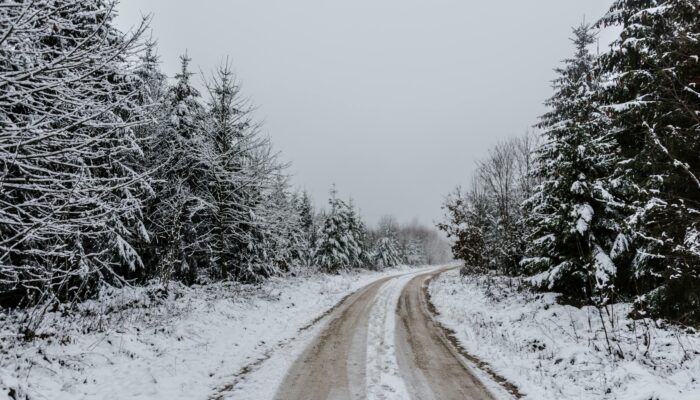
Dreams often use familiar landscapes to convey complex inner states. A road blanketed in snow is a striking image that recurs across cultures and eras. While the visual is simple, its interpretation can span themes of purity, pause, hidden obstacles, and spiritual transition. This article provides an encyclopedic overview of the symbol, drawing on religious texts, psychological theory, and cultural examples.
Symbolic Meaning
In symbolic terms, the combination of snow and a road merges two powerful archetypes:
- Snow—white, quiet, and insulating—often denotes purity, stillness, and a temporary suspension of ordinary activity.
- Road—a conduit for movement—represents the life path, choices, and direction.
When these elements unite, the dream may suggest a period of introspection where the dreamer stands at a crossroads that feels both clear and concealed. The snow can smooth the terrain, offering a sense of calm, while simultaneously masking hazards that lie beneath the surface.
Common Interpretations
- New Beginnings: The pristine whiteness can signal a fresh start or a desire to cleanse past mistakes.
- Obstacles & Uncertainty: A snow‑covered road may be slippery or hard to see, indicating hidden challenges that require caution.
- Pause & Reflection: The quiet hush of snow can represent a needed pause, urging the dreamer to slow down and evaluate their direction.
Spiritual Interpretations
Religious traditions frequently employ snow as a metaphor for divine qualities. The road, as a journey, often parallels the spiritual path.
Christianity
“Though your sins are like scarlet, they shall be as white as snow.” – Isaiah 1:18 (ESV)
Within Christian symbolism, snow embodies divine grace and forgiveness. Dreaming of a snow‑covered road may therefore suggest a call to seek spiritual renewal, repentance, or a renewed sense of purpose in one’s faith walk.
Islam
In Islamic dream literature, snow can represent mercy and tranquility. The Qur’an does not directly mention snow, but classical scholars such as Ibn Sirin describe white, pure substances as signs of divine favor. A snowy road may thus be interpreted as an indication that God’s compassion is smoothing the dreamer’s hardships.
Other Traditions
In Buddhist and Shamanic narratives, snow often signals a state of mind free from attachment—an ideal for meditation. Traversing a snow‑covered road can symbolize a pilgrim’s progress toward enlightenment or a rite of passage through a liminal, purified space.
Psychological Meaning
Modern psychology views dream imagery as a window into unconscious processes. The snow‑covered road aligns with several theoretical frameworks.
Freudian Perspective
Sigmund Freud regarded dreams as wish fulfillments disguised by symbolic disguise. Snow’s blankness may represent a “censorship” mechanism, covering up repressed wishes or anxieties. The road, as a journey, could illustrate the dreamer’s desire to move toward a concealed wish.
Jungian Analysis
Carl Jung emphasized archetypes and the “shadow.” Snow can be seen as the “shadow” of the conscious self—an aspect that hides underlying material. The road, then, becomes a vehicle for integrating these hidden parts, urging the dreamer toward individuation.
Contemporary Cognitive‑Neuroscience
Current research (e.g., Domhoff, 2003) suggests that dream content reflects recent waking experiences and emotional concerns. A snow‑covered road may arise after periods of isolation, winter weather, or reading about travel in cold climates, while also mirroring feelings of uncertainty about future plans.
Cultural and Literary Context
The motif appears in literature and folklore:
- In Russian folklore, a “white road” leads to the realm of the dead, signifying transition.
- Robert Frost’s poem “Stopping by Woods on a Snowy Evening” uses a snow‑laden path to evoke contemplation of life’s duties versus desire for stillness.
- In Japanese haiku, snow‑covered roads often symbolize impermanence (mujo) and the fleeting nature of moments.
These cultural echoes reinforce the dream’s potential to evoke themes of transition, mortality, and the tension between movement and stillness.
Dream‑Analysis Techniques
Beyond symbolism, systematic methods can deepen understanding.
Syllogistic Reasoning
Applying a simple syllogism helps clarify the personal relevance:
- Major premise: Dreams mirror the dreamer’s current emotional state.
- Minor premise: A snow‑covered road suggests a blend of clarity and hidden difficulty.
- Conclusion: The dream likely reflects the dreamer’s feeling of being at a calm yet uncertain crossroads.
Gestalt and Narrative Approaches
Gestalt therapists ask the dreamer to “become the snow” or “become the road,” encouraging embodiment of the symbols to uncover personal meanings. Narrative analysis encourages the dreamer to recount the dream as a story, noting emotions, colors, and actions, then linking them to waking life events.
Practical Guidance for Interpreters
For individuals wishing to explore this dream personally, consider the following steps:
- Record the details immediately upon waking—temperature, visibility, emotions, and any companions.
- Identify personal associations with snow (e.g., childhood memories, seasonal moods).
- Reflect on current life circumstances—are you facing a decision, feeling stuck, or seeking renewal?
- Use a dream journal to track recurring road or snow motifs, noting patterns over weeks or months.
- Seek symbolic cross‑references in reputable dream dictionaries or scholarly works, but prioritize personal resonance over generic meanings.
Conclusion
The image of a snow‑covered road is a multilayered symbol that can convey purity, pause, hidden challenges, and spiritual pilgrimage. Whether interpreted through theological lenses, psychoanalytic theory, cultural folklore, or personal reflection, the dream invites the sleeper to examine the terrain of their inner life. By attending to the details of the dream and situating them within one’s waking context, the snow‑blanketed path can become a valuable compass for navigating future journeys.
FAQ
What does it mean if I’m walking on a snow‑covered road in my dream?
Walking suggests active engagement with the journey. Snow may indicate you are moving forward while feeling a need for clarity or dealing with hidden challenges.
Is a snow‑covered road a positive or negative omen?
The symbol is neutral; its valence depends on the dreamer’s emotions and context. Feelings of peace point to renewal, whereas anxiety may signal uncertainty.
Can this dream relate to my physical health?
Dreams sometimes reflect bodily sensations. If you slept in a cold environment, the brain may incorporate snow imagery, but the symbolic layer remains relevant to mental and emotional states.

Leave a Reply