
Short Answer
Understanding the Symbolism of Self-Death in Dreams
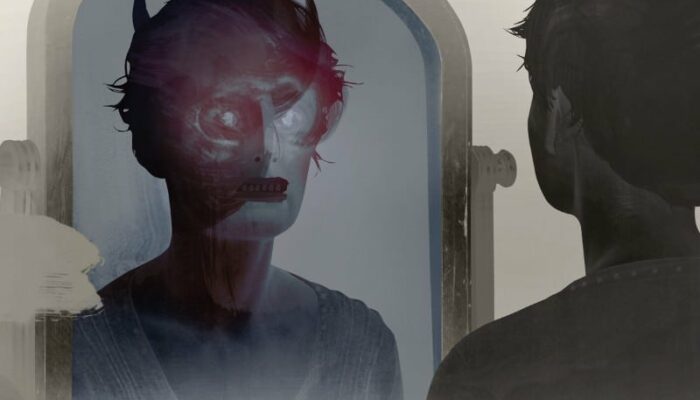
Dreams often serve as enigmatic mirrors reflecting our innermost thoughts, fears, and aspirations. One particularly haunting dream motif is the experience of seeing oneself dead. While such a vision can provoke a whirlwind of emotions—ranging from acute fear to deep introspection—it is rarely a literal premonition. Instead, exploring the symbolic and spiritual meanings of this experience can illuminate profound insights about the dreamer’s current life stage and psychological state.
The Theme of Transformation and Rebirth
At its core, the dream of witnessing your own demise often signifies transformation. In many belief systems and psychological frameworks, death is viewed not as a finality, but as a transition. This dream may intimate a change that is both vital and necessary, suggesting the end of a specific phase in life to make room for new beginnings.
Just as the phoenix rises from the ashes, the entrance into a metaphorical underworld in a dream can herald a spiritual or personal rebirth. This may manifest as:
- The conclusion of a long-term relationship or career path.
- The shedding of an outdated version of the self.
- A radical shift in perspective or belief systems.
Psychological Perspectives
From a psychological standpoint, seeing oneself dead can be emblematic of the subconscious grappling with issues of identity and the “Shadow.” Carl Jung, the eminent Swiss psychiatrist, proposed that such vivid imagery could arise from the archetype of the Shadow—the repressed or ignored parts of the personality.
“Seeing oneself dead in a dream could symbolize a confrontation with these hidden aspects, suggesting a need for integral healing and acceptance.”
This internal battle often reflects feelings of inadequacy, self-doubt, or the desire to “kill off” a trait or habit that the dreamer finds detrimental. By confronting this imagery, the dreamer is urged to embrace their wholeness and integrate these fragmented parts of their psyche.
Cultural and Religious Interpretations
Interpretations of death in dreams vary significantly across different cultural and religious lenses, adding layers of richness to the experience.
Christian Perspectives
In Christianity, death is often viewed as an initiation into eternal life. Dreaming of one’s own death may presage a spiritual awakening or a call for moral reckoning. It suggests an evaluation of one’s faith and the need to relinquish old behaviors that no longer serve the individual’s spiritual journey, echoing the biblical themes of resurrection.
Islamic Traditions
In Islamic tradition, dreams are often seen as having profound significance. A dream of death can serve as a memento mori—a reminder of mortality and the transient nature of earthly existence. This vision beckons the dreamer to contemplate their deeds and intentions, urging a reassessment of life choices and moral standing before God.
Indigenous and Other Cultural Views
Many indigenous belief systems view the act of dreaming of one’s death as a precursor to healing and personal growth. In these contexts, the dreamer is expected to emerge from the experience with a heightened sense of awareness, clarity, and a renewed purpose that transcends temporal confines.
Emotional Impact and Coping Mechanisms
Despite the positive symbolic interpretations, the emotional aftermath of such a dream can be distressing. Many individuals report intense anxiety upon awakening. These reactions are often projections of unresolved issues in waking life, such as:
| Emotional Trigger | Potential Dream Manifestation |
|---|---|
| Existential Crisis | Seeing oneself dead as a reflection of lost purpose. |
| Major Life Transition | Death as a symbol of the “old self” disappearing. |
| Suppressed Grief | The dream as a way to process loss or trauma. |
Integrating the Experience
To move from dread to insight, it is recommended to maintain a dream journal. Documenting the specific feelings, colors, and surroundings of the dream can help decode intricate symbols and identify recurring patterns in the subconscious. This practice transforms a frightening experience into a tool for emotional and spiritual growth.
Conclusion
The dream of seeing oneself dead is a profound metaphor that spans psychological, spiritual, and cultural planes. Rather than viewing it as a harbinger of doom, it should be reframed as an invitation to explore the self and embrace necessary transformations. By recognizing the duality of death—as both an end and a beginning—the dreamer can use this experience as a springboard for deeper personal insight and a celebration of the inevitable cycles of change.
FAQ
Is dreaming of my own death a bad omen?
Generally, no. In dream analysis, death is usually symbolic of change, the end of a habit, or a personal transformation rather than a literal prediction of death.
Why do I feel so anxious after this dream?
The visceral nature of death triggers a primal fear response. This anxiety often reflects real-life stress or a fear of the unknown regarding a major life change.
How can I better understand my specific dream?
Context is key. Note who else was in the dream, how you felt, and what major changes are currently happening in your waking life.




Leave a Reply