

Short Answer
Understanding the Symbolism of Rough Waters
In the realm of dream analysis, life is frequently likened to a vast ocean, characterized by unpredictable waves and unforeseen tempests. Just as sailors must confront rough waters with courage and tenacity, individuals navigate the complex emotional landscapes of their existence. When rough waters appear in a dream, they often serve as a profound metaphor for the dreamer’s current internal state, offering insights into their emotional well-being and psychological challenges.
The Nature of Water in Dreams
To comprehend the specific meaning of rough waters, it is essential to first understand the general symbolism of water. In most psychological and cultural frameworks, water represents the subconscious mind, emotions, and the general fluidity of life. While calm water typically signifies peace and clarity, turbulent water suggests a disruption of that balance.
When the waters turn rough, it frequently signifies turmoil, distress, and instability. These images may reflect:
- Internal conflicts and cognitive dissonance.
- Unresolved emotional issues from the past.
- Acute stress or anxiety regarding current life circumstances.
- A feeling of being overwhelmed by responsibilities or emotions.
Psychological and Logical Perspectives
From a logical standpoint, one can apply a syllogism to interpret these dreams: If rough waters symbolize emotional disturbance (major premise), and dreams are reflections of one’s inner emotions (minor premise), then dreams of rough waters manifest emotional disturbances (conclusion). This framework helps the dreamer recognize that the imagery is a communication tool used by the subconscious to signal a need for attention.
Jungian Analysis and Archetypes
The psychological interpretation of rough waters is deeply intertwined with the theories of Carl Jung. Jung posited that water embodies the collective unconscious. Therefore, rough waters may represent repressed emotions or “shadow” aspects of the personality surfacing into consciousness. This upheaval, while daunting, is often a catalyst for individuation—the process of becoming a whole, integrated human being. By confronting the storm in the dream, the dreamer is encouraged to confront hidden fears and anxieties in their waking life.
Spiritual and Cultural Interpretations
Different faith traditions and cultural backgrounds provide unique lenses through which to view turbulent seas in dreams.
Christian Perspectives
Within Christianity, rough waters often symbolize trials, tribulations, and moments of spiritual testing. This is mirrored in biblical narratives, such as the account in Matthew 14:22-33, where Jesus walks on water during a storm. In this context, the chaotic sea represents the challenges of the physical world, while the ability to navigate or calm the storm emphasizes the triumph of faith over adversity.
Islamic Perspectives
In Islamic theology, water is a vital source of life and a metaphor for the divine. Rough waters in a dream may be interpreted as a call for Sabr (patience) and reliance on Allah during times of hardship. Drawing from the duality of nature mentioned in Surah Al-Rahman, such dreams remind the believer that challenges are temporary and that faith leads to eventual tranquility and peace.
Indigenous and Collective Views
Many indigenous traditions view water as an essential life force connected to communal well-being. In these contexts, rough waters may not only represent individual struggle but also the emotional distress of a community. Such dreams can be seen as a prompt to seek communal healing and collective support.
Rough Waters as a Catalyst for Transformation
Despite the perceived negativity of a storm, rough waters frequently signify transformation and rebirth. The process of navigating through a tempest suggests that the dreamer is at a crossroads. The turbulence is not merely a sign of distress, but a necessary phase of cleansing and growth.
| Dream Element | Potential Interpretation |
|---|---|
| Fighting the Current | Struggling against inevitable change or resisting a truth. |
| Surviving the Storm | Resilience and the successful overcoming of a crisis. |
| Watching from Shore | Feeling detached from one’s own emotions or observing others’ chaos. |
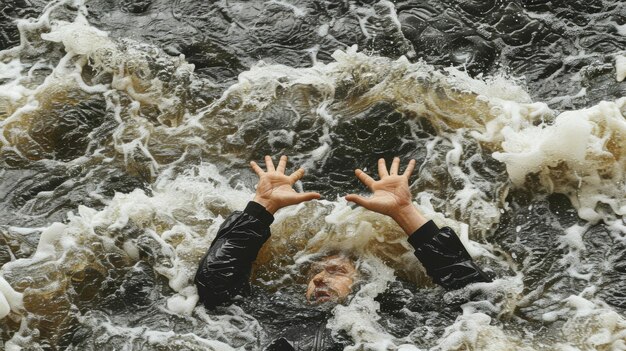
| Sinking in Rough Water | Feeling completely overwhelmed by emotional burdens. |
Conclusion
Ultimately, dreams of rough waters are multifaceted symbols that bridge the gap between the conscious and subconscious. Whether viewed through a spiritual lens of faith and patience or a psychological lens of repressed emotion, these dreams highlight the unpredictable nature of the human experience. By embracing the journey and analyzing the context of the storm, individuals can find the motivation and resilience needed to reach a place of calm and balance. After every storm, the waters eventually settle, leaving the dreamer stronger and more self-aware.
FAQ
Does dreaming of rough waters always mean something bad is happening?
Not necessarily. While it often reflects stress or turmoil, it can also symbolize a necessary period of transformation and growth.
How can I stop having nightmares about stormy seas?
Identifying the real-life stressors that the 'rough waters' represent can help you address the root cause and bring peace to your subconscious.
What is the difference between calm and rough water in dreams?
Calm water typically represents peace, clarity, and emotional stability, whereas rough water signifies conflict, anxiety, and upheaval.




Leave a Reply