
Short Answer
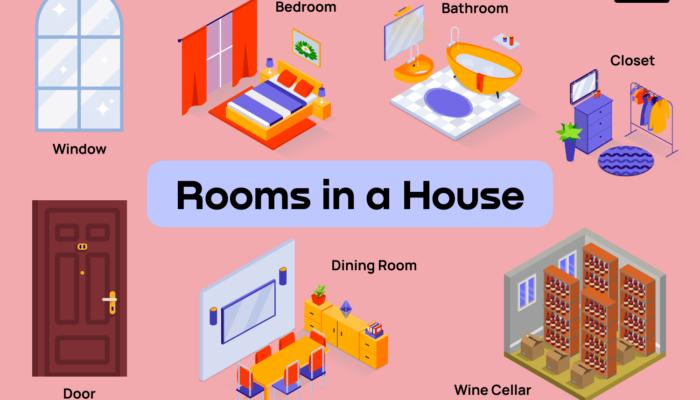
Dreams serve as profound windows into the subconscious, translating complex emotions and thoughts into visual metaphors. One of the most frequent settings in these nocturnal narratives is the house. In the realm of dream analysis, a house is rarely just a building; it is a symbolic representation of the self. Each room within that house corresponds to a different facet of the dreamer’s psyche, emotional state, or life situation.
The Logic of the House as the Self
To understand the meaning of specific rooms, it is helpful to apply a form of symbolic syllogism: if the house represents the entirety of the individual’s being, then the individual rooms must represent specific components of that being. Consequently, the condition and nature of a room in a dream can provide a diagnostic look into one’s inner world.
For example, a well-organized and serene bedroom typically suggests a state of internal peace and security. Conversely, a cluttered or decaying attic often symbolizes repressed memories, neglected traumas, or unresolved intellectual conflicts that the dreamer has “stored away” from their conscious awareness.
Common Room Symbols and Their Meanings
Different rooms evoke distinct psychological associations based on their function in waking life. Understanding these associations helps decode the message of the dream.
| Room Type | Symbolic Significance | Psychological Association |
|---|---|---|
| Living Room | Social Identity | Relationships, public persona, and social interactions. |
| Kitchen | Nourishment | Emotional sustenance, creativity, and the “ingredients” of life. |
| Bathroom | Purification | The need for emotional cleansing, release, or vulnerability. |
| Bedroom | Intimacy | Private self, sexuality, and deep personal security. |
| Basement | The Unconscious | Hidden desires, fears, and the “foundation” of the psyche. |
| Attic | The Intellect | Higher consciousness, memories, and spiritual aspirations. |
Spiritual Perspectives on Domestic Dreams
Beyond psychology, various spiritual and cultural traditions offer unique interpretations of house-based dreams.
Christian and Islamic Interpretations
In many Christian traditions, the house is viewed as a metaphor for the soul. A clean, luminous room may signify spiritual purity and righteousness, while a room in disarray might suggest moral dilemmas or spiritual discord. The act of moving from one room to another can be seen as a metaphor for the soul’s progression toward enlightenment.
Similarly, in Islamic tradition, the house often symbolizes protection and divine shelter. The lighting within a room is particularly significant; a room filled with light often denotes faith, guidance, and divine presence, whereas a darkened chamber may represent a period of doubt, uncertainty, or spiritual trial.
Psychological Implications and Emotional Landscapes
Modern psychology posits that the architecture of our dreams reflects our emotional landscape. The physical dimensions and atmosphere of the rooms often mirror our current mental state:
- Expansive Hallways: May symbolize an open-minded approach to life or the anticipation of new opportunities and transitions.
- Cramped or Small Spaces: Often reflect feelings of restriction, anxiety, or being “trapped” in a waking life situation.
- Childhood Bedrooms: These frequently appear during times of stress or transition, representing nostalgia or a need to resolve developmental issues from the past.
“The house in a dream is a map of the mind. To explore its rooms is to explore the hidden corridors of one’s own identity.”
The Significance of Unfinished Spaces
Dreaming of an unfinished basement or a room under construction often indicates that the dreamer is in a period of growth. It suggests that there are aspects of the personality currently being developed or unresolved issues that require attention before the “structure” of the self can be completed.
Conclusion: The Path to Self-Discovery
Analyzing the rooms in our dreams allows us to navigate the complex corridors of our subconscious. Whether these dreams are viewed as psychological projections or spiritual signs, they offer a valuable opportunity for introspection. By acknowledging the messages hidden within these domestic symbols, we can foster personal transformation and achieve a more integrated, fulfilled existence.
FAQ
What does it mean if I find a new room in my house during a dream?
Finding a new room often symbolizes the discovery of new talents, untapped potential, or a new aspect of your personality coming to light.
Why do I keep dreaming of my childhood home?
This typically indicates a connection to your formative years, suggesting a need to resolve past issues or a longing for the security felt during childhood.
Does a messy room in a dream mean my life is chaotic?
Not necessarily, but it often reflects internal mental clutter, stress, or feelings of being overwhelmed in a specific area of life.


Leave a Reply