
Short Answer
Introduction
Roads appear in countless dreams, serving as vivid metaphors for the dreamer’s life journey. Whether the road is smooth, winding, deserted, or bustling, its condition and context can reveal hidden aspects of personal development, spiritual orientation, and emotional health. This article examines the road symbol from four complementary perspectives: logical syllogism, general symbolism, spiritual traditions, and modern psychology.
Syllogistic Perspective on Roads
Syllogism, a basic form of deductive reasoning, can illuminate why the road feels so resonant in the subconscious. Consider the following classic structure:
All roads lead somewhere; this particular road leads to a specific destination; therefore, this road has significance for the dreamer’s life path.
This simple logic underscores two key ideas. First, every road represents an option or direction; second, the specific qualities of the road in a dream point to a meaningful choice or challenge the dreamer is confronting. By treating the road as a logical premise, the dreamer can begin to map abstract feelings onto concrete life decisions.
Symbolic Meaning of the Road
In the language of symbols, the road is a universal archetype of journey. Its variations convey nuanced messages:
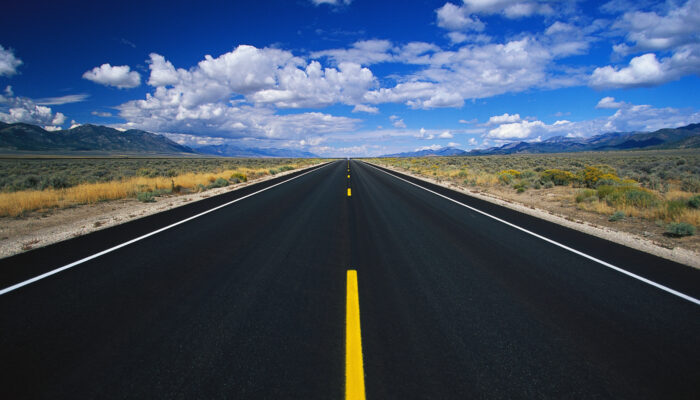
- Straight, well‑paved road – suggests clarity, confidence, and progress toward a goal.
- Winding or rough road – indicates obstacles, uncertainty, or a period of learning.
- Deserted road – can evoke loneliness, isolation, or a feeling of being on a solitary path.
- Bustling highway – reflects social interaction, collaboration, or the pressure of external expectations.
- Blocked or broken road – symbolizes perceived restrictions, fear of failure, or an unmet need for change.
Emotions felt while travelling the road—fear, excitement, relief—are equally important, as they color the symbolic interpretation and point to the dreamer’s current emotional state.
Spiritual Meaning of the Road
Many religious traditions employ the road as a metaphor for spiritual progress:
- Christianity: The “narrow road” (Matthew 7:13‑14) represents the disciplined, righteous path to salvation, contrasted with the broad road of worldly temptation.
- Islam: The concept of Sirat al‑Mustaqim (the Straight Path) guides believers toward divine obedience and moral integrity.
- Buddhism: The “Eightfold Path” is often visualized as a road leading away from suffering toward enlightenment.
- Indigenous cultures: Trails and pathways are sacred, linking the living with ancestors and the natural world, emphasizing stewardship and continuity.
When a dream features a road with spiritual markers—crosses, mosques, mandalas—it may be prompting the dreamer to reflect on their faith, moral choices, or search for deeper meaning.
Psychological Interpretation of the Road
From a modern psychological standpoint, the road functions as an archetype within the collective unconscious, as described by Carl Jung. Its presence can signal:
- Personal development: An open, inviting road may indicate readiness for growth or a desire for new experiences.
- Anxiety or uncertainty: A cracked, fog‑filled road often mirrors worries about the future or a lack of direction.
- Desire for freedom: Endless highways can represent a yearning to escape constraints and embrace autonomy.
- Transition: Crossing a bridge or reaching a fork suggests an imminent life change—career shift, relationship evolution, or identity redefinition.
Therapeutic work frequently asks clients to “describe the road” in their dreams, using the details as entry points for exploring underlying fears, hopes, and unresolved conflicts.
Conclusion
The road is far more than a physical conduit; it is a richly layered symbol that bridges logical reasoning, cultural mythology, spiritual aspiration, and inner psychology. By attending to the road’s condition, surroundings, and emotional tone, dreamers can uncover valuable insights about their life choices, personal growth, and the deeper journeys that shape their sense of self.
FAQ
What does a dark, deserted road signify in a dream?
It often reflects feelings of isolation, uncertainty, or a fear of being alone on a personal journey.
Can a road that suddenly ends represent something specific?
A blocked or abruptly ending road can symbolize perceived limitations, unresolved conflicts, or an unconscious belief that a goal is unattainable.
How should I use road imagery in personal reflection?
Consider the road’s condition, direction, and companions. Write down details, then relate them to current life decisions, emotional states, and spiritual aspirations.



Leave a Reply