
Short Answer
Overview
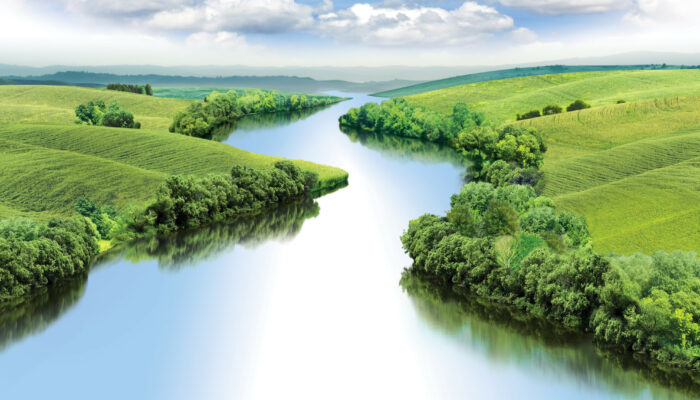
Dreams featuring rivers are among the most recurrent water symbols in the collective unconscious. As a dynamic, flowing element, a river can embody vitality, continuity, and the inevitable passage of time. Interpreting a river dream requires attention to its appearance, flow, and surrounding landscape, each of which contributes nuanced insight into the dreamer’s waking life.
Symbolic Dimensions of Rivers
Life‑force and Continuity
In many mythologies, rivers are the lifeblood of the world, delivering nourishment and sustaining ecosystems. Consequently, a river in a dream often reflects the dreamer’s own life energy, personal growth, and the ongoing journey toward goals.
Duality: Creation and Destruction
The same water that nourishes can also erode. This dual nature makes rivers powerful symbols of both creation and destruction, suggesting that change may be both constructive and unsettling.
Cultural and Religious Contexts
Christianity
The biblical River Jordan is associated with baptism, cleansing, and rebirth. Dreaming of a clear, flowing Jordan‑like river can signify spiritual renewal or a desire for moral transformation.
Islamic Tradition
In the Qur’an, rivers flow beneath the gardens of Paradise, representing divine bounty and eternal peace. A dream of such a river may evoke feelings of spiritual fulfillment or an aspiration toward higher truths.
Indigenous and Other Traditions
Many indigenous cultures view rivers as ancestral pathways, linking past generations with the present. This perspective highlights the river’s role as a conduit for wisdom, memory, and communal identity.
Psychological Interpretations
Freudian Perspective
Sigmund Freud linked water imagery to the unconscious mind, suggesting that rivers can surface repressed desires or unresolved conflicts. The river’s depth and clarity may mirror the accessibility of unconscious material.
Jungian Perspective
Carl Jung regarded water as an archetype of the unconscious, a source of hidden potential and creative energy. A river, as a moving body of water, can symbolize the flow of archetypal content toward conscious awareness.
Variations in River Imagery
The specific characteristics of the river provide additional layers of meaning:
- Calm, clear water – Indicates emotional balance, smooth transitions, and personal clarity.
- Turbulent or rapid flow – Suggests heightened stress, rapid change, or an urgent need to adapt.
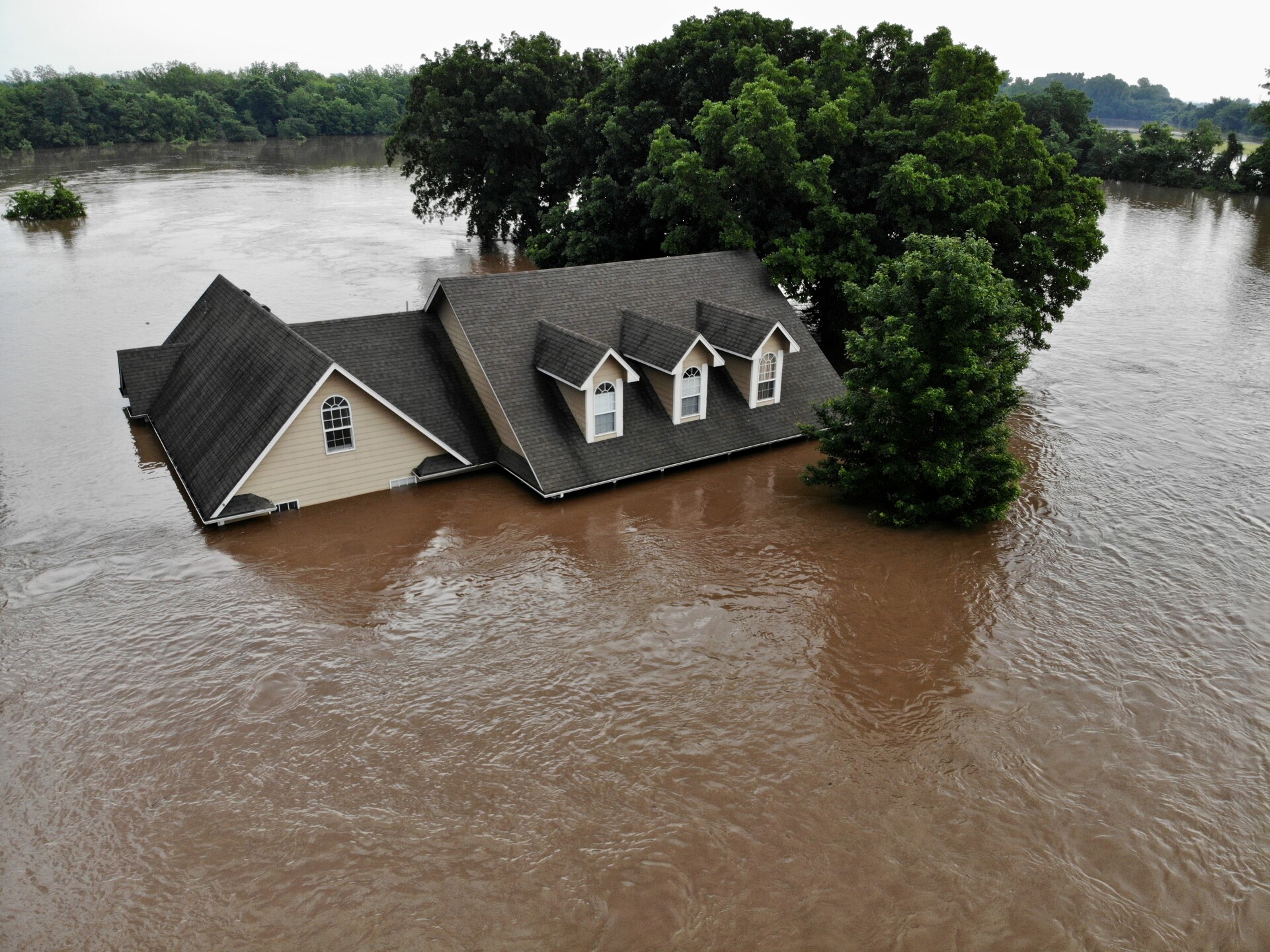
- Flooding river – Reflects feelings of overwhelm, emotional overload, or unresolved tension seeking release.
- Dry riverbed – Symbolizes stagnation, lack of emotional nourishment, or a period of introspection.
- Urban river – Often points to the pressures of modern life, constant activity, and the need for personal boundaries.
- Rural or wilderness river – Evokes a yearning for tranquility, connection with nature, and inner peace.
Practical Guidance for Dreamers
When analysing a river dream, consider the following steps:
- Recall the river’s condition (calm, turbulent, dry, flooded).
- Note the surrounding environment (urban, forest, desert).
- Reflect on current life circumstances that parallel the river’s flow.
- Identify emotions felt during the dream; these often reveal the subconscious message.
By integrating symbolic, cultural, and psychological perspectives, the dreamer can gain a holistic understanding of the river’s significance.
Conclusion
Rivers in dreams serve as multifaceted symbols of change, emotional currents, and spiritual pathways. Whether the water is serene or stormy, its presence invites introspection, encouraging the dreamer to navigate life’s currents with awareness and intention.
FAQ
What does a calm, clear river signify in a dream?
It generally reflects emotional stability, clear insight, and a smooth transition in the dreamer's waking life.
Why might a river be flooding in my dream?
A flooding river often indicates feelings of being overwhelmed, intense emotional pressure, or the need to release suppressed feelings.
What is the meaning of a dry riverbed in a dream?
A dry riverbed can symbolize stagnation, lack of emotional nourishment, or a period of introspection where growth feels paused.



Leave a Reply