
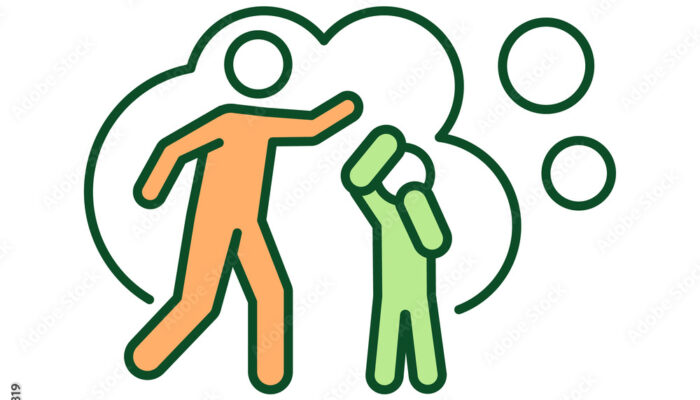
Short Answer
Introduction
Dreams that involve physical injury—being cut, bruised, stabbed, or otherwise harmed—frequently act as a mirror to the dreamer’s inner world. While the imagery may appear violent, the underlying message is often emotional rather than literal. By examining these dreams through symbolic, spiritual, and psychological lenses, one can uncover valuable insights into personal anxieties, moral dilemmas, and unconscious processes.
Symbolic Interpretation
From a symbolic standpoint, physical harm in a dream can represent feelings of vulnerability, loss of control, or an internal conflict between desire for change and fear of transformation.
- Being attacked may signal perceived threats in waking life—whether from other people, circumstances, or one’s own self‑criticism.
- Self‑inflicted injury often points to low self‑esteem or self‑sabotaging patterns, suggesting the dreamer is “hurting” themselves emotionally.
- Injury to a specific body part can reflect concerns related to that area’s symbolic function (e.g., a wounded hand may indicate difficulty in taking action).
Literary heroes such as Frodo Baggins (“The Lord of the Rings”) or Harry Potter endure physical trials that symbolize larger moral quests. Similarly, dreaming of harm can be an invitation to confront personal challenges and reclaim agency.
Spiritual Considerations
Across religious traditions, dreams of physical injury are often viewed as messages from a higher source.
“Turn the other cheek” – New Testament teaching on responding to harm (Matt. 5:39).
In Christianity, such dreams may be interpreted as spiritual warfare, urging the dreamer toward repentance, forgiveness, or reliance on divine protection.
In Islamic tradition, a disturbing dream involving injury can serve as a warning of forthcoming trials, prompting the believer to seek patience and increased devotion.
These spiritual frames encourage the dreamer to consider how their response to perceived harm aligns with broader moral or religious values.
Psychological Implications
Psychologists view dreams of physical harm as expressions of the unconscious mind dealing with anxiety, trauma, or suppressed emotions.
Carl Jung’s concept of the shadow—the hidden aspects of the self—provides a useful model. An injury may symbolize shadow material demanding acknowledgment and integration.
For individuals with a history of trauma, nightmares that reenact physical harm can be a reenactment of past events, offering an opportunity for therapeutic processing through modalities such as cognitive‑behavioral therapy, EMDR, or expressive arts.
Popular culture illustrates similar dynamics; for example, Peter Parker in “Spider‑Man” grapples with dual identities and the physical toll of his responsibilities, mirroring how dreamers may feel torn between competing roles.
Conclusion
Dreams of physical harm are multifaceted signals that blend symbolic, spiritual, and psychological meanings. By reflecting on the context of the injury, the emotions evoked, and any recurring patterns, dreamers can transform a frightening night‑time experience into a catalyst for self‑awareness, personal growth, and healing.
FAQ
What does it mean when I dream I am being stabbed?
Such a dream often reflects feelings of deep vulnerability or an unconscious fear of being emotionally ‘pierced’ by criticism or conflict.
Can a dream about self‑injury indicate depression?
It can be a sign of low self‑esteem or self‑critical thoughts, which are common in depressive states, but professional assessment is recommended.
How can I use these dreams for personal growth?
Reflect on the emotions and symbols present, consider journaling, and if the dreams are distressing, discuss them with a therapist to explore underlying issues.



Leave a Reply