
Short Answer
Understanding Out of Body Experiences in Dreams
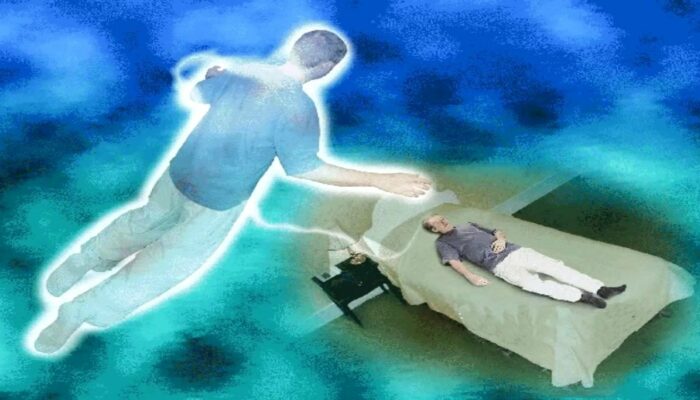
In the vast landscape of the subconscious, few phenomena are as captivating or disorienting as the Out of Body Experience (OBE). These occurrences, where a dreamer feels as though they have detached from their physical corporeal form, serve as a bridge between the tangible world and the ethereal realm of the mind. Analyzing an OBE requires a multidisciplinary approach, blending psychology, spirituality, and symbolic analysis to uncover the deeper intent of the subconscious.
Psychological Interpretations of OBEs
From a psychological standpoint, dreaming of an out-of-body experience often relates to the dreamer’s current mental and emotional state. These dreams can be interpreted in several ways:
Dissociation and Coping Mechanisms
Psychologists suggest that OBEs may manifest as a form of dissociation. During periods of intense stress, trauma, or overwhelming emotional turmoil, the mind may create a narrative of detachment as a self-protective mechanism. By “leaving” the body, the dreamer creates a psychological distance from a painful reality, allowing them to process trauma from a safer, removed vantage point.
The Quest for Perspective
Alternatively, an OBE can symbolize a desire for objective clarity. When an individual is embroiled in a complex personal dilemma or a strained relationship, the subconscious may simulate a detached state to provide a “bird’s-eye view” of the situation. This allows the dreamer to evaluate their life choices without the immediate interference of physical or emotional biases.
Symbolic Meaning and Duality
Symbolically, the OBE represents the fundamental duality of human existence: the tension between the physical body and the ethereal spirit.
- Liberation: Detaching from the body often symbolizes a yearning for freedom from the mundanity or constraints of daily life.
- Self-Evaluation: The act of looking down at one’s own sleeping body is a powerful metaphor for introspection and self-audit.
- Spiritual Awakening: It can represent an invitation to explore one’s creative potential and inner wisdom, urging the individual to rise above earthly tribulations.
Spiritual and Cultural Perspectives
Across different global traditions, the spiritual meaning of OBEs varies, yet they generally share a theme of transcendence.
| Perspective | Interpretation of OBEs |
|---|---|
| Christianity | Often viewed through the lens of the soul’s journey, reflecting on ascension and the resilience of the spirit in an eternal state. |
| Islam | Associated with the Ruh (spirit), where temporary detachment can prompt reflection on faith and the transient nature of earthly life. |
| Indigenous/Shamanic | Seen as a purposeful journey to the spiritual realm for healing, ancestral communion, or gaining cosmic insight. |
Philosophical Deductions: The Syllogism of Consciousness
To understand the existential implications of OBEs, one can apply a logical syllogism to the experience:
Premise 1: Human consciousness can exist independently of the physical body.
Premise 2: Out of Body Experiences represent a detachment of consciousness from the physical form.
Conclusion: Therefore, Out of Body Experiences validate the existence of consciousness beyond corporeal boundaries.
While this deductive reasoning is philosophical rather than clinical, it highlights why OBEs are so impactful; they challenge our fundamental understanding of where “the self” truly resides.
Conclusion
Whether viewed as a psychological defense, a spiritual journey, or a symbolic quest for perspective, Out of Body Experiences in dreams invite us to question the boundaries of our existence. By integrating these diverse interpretations, dreamers can gain profound insights into their own subconscious needs and the enduring mystery of human consciousness.
FAQ
Is having an out-of-body dream a sign of a mental health issue?
Not necessarily. While dissociation can be linked to trauma, many people experience OBEs as a natural part of dreaming or spiritual exploration.
What is the most common meaning of seeing myself asleep in a dream?
It typically symbolizes a need for self-reflection or a desire to gain a new perspective on a current life situation.
Can you control an out-of-body experience in a dream?
Yes, this often overlaps with 'lucid dreaming,' where the dreamer becomes aware they are dreaming and can influence the experience.




Leave a Reply