
Short Answer
Dreams often use familiar household spaces to convey complex emotional messages. Among these, the living room stands out as a central hub of social interaction, comfort, and personal identity. This article examines the symbolism of the living‑room in dreams from psychological, cultural and spiritual perspectives, offering a comprehensive framework for interpretation.
Symbolic Core of the Living Room
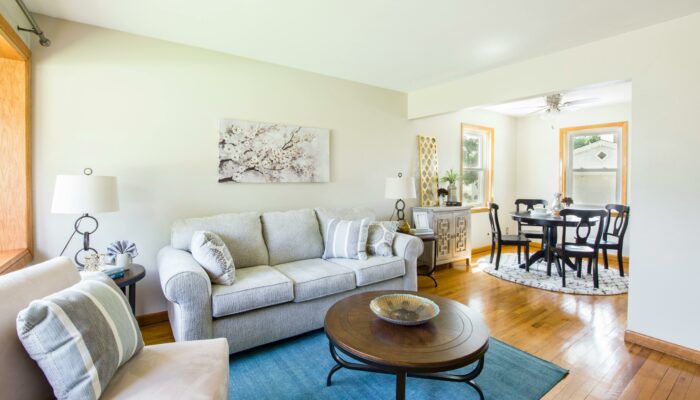
In dream symbolism the living room functions as the “heart” of the home. It is the space where people gather, converse, and relax, making it a natural metaphor for interpersonal relationships and the public persona. A tidy, well‑lit living room usually signifies harmony, emotional security and a sense of belonging, whereas a cluttered, dim, or empty room can point to feelings of isolation, inner chaos, or unmet social needs.
- Presence of people: Friends and family indicate support and collective joy; strangers may suggest unfamiliar aspects of the self.
- Furniture and décor: Large, comfortable sofas often denote warmth and stability; minimalist or sparse furnishings can reflect a desire for simplicity or emotional detachment.
- Condition of the space: Cleanliness and order are linked to psychological balance; messiness or damage signals anxiety or unresolved conflict.
Psychological Interpretations
From a Jungian standpoint the living room can be viewed as an archetype of the conscious self interacting with the unconscious. It mirrors the dreamer’s current emotional state and the degree of self‑acceptance. Psychologists also associate the living‑room dream with:
- Self‑reflection: The room’s layout may represent how the individual organizes thoughts and feelings.
- Conflict resolution: A chaotic living room often signals internal tension that needs to be addressed.
- Security: A serene, inviting space suggests a stable sense of safety and personal grounding.
Therapeutic work frequently uses the living‑room image to explore relational patterns, encouraging the dreamer to “re‑decorate” their inner world for greater harmony.
Cultural and Spiritual Meanings
Interpretations vary across cultural and religious traditions:
- Christian contexts: The living room is likened to a place of fellowship and communion, symbolising hospitality and spiritual togetherness.
- Islamic perspectives: It is seen as a sanctuary of warmth where family bonds are honored, reflecting blessings and mutual respect.
- Other spiritual views: Some traditions treat the living room as a threshold for personal transformation, indicating a pivotal stage in the dreamer’s spiritual journey.
In each case, the quality of the space (welcoming versus barren) conveys the perceived health of communal and spiritual relationships.
Logical Structuring: A Syllogistic Approach
Applying basic syllogism can clarify the dream’s message:
All living rooms represent social connection.
This dream features a living room.
Therefore, the dream highlights an aspect of the dreamer’s social or emotional life.
Such reasoning helps isolate whether the emphasis is on positive connection, a need for greater interaction, or a warning about social isolation.
Conclusion
The living room in a dream is a multidimensional symbol that reflects personal well‑being, relational dynamics, cultural values, and spiritual states. By examining the room’s appearance, occupants, and atmosphere, individuals can gain valuable insight into their subconscious concerns and aspirations, turning a seemingly ordinary setting into a powerful mirror of inner life.
FAQ
What does a clean living room in a dream suggest?
It generally reflects emotional stability, healthy relationships, and a sense of personal security.
Why might a chaotic living room appear in my dream?
A disordered setting often mirrors inner turmoil, stress, or unresolved conflicts that need attention.
Do cultural beliefs affect how I should interpret my living‑room dream?
Yes; religious and cultural backgrounds assign specific meanings to hospitality and communal spaces, which can shape the interpretation.



Leave a Reply