
Short Answer
Introduction
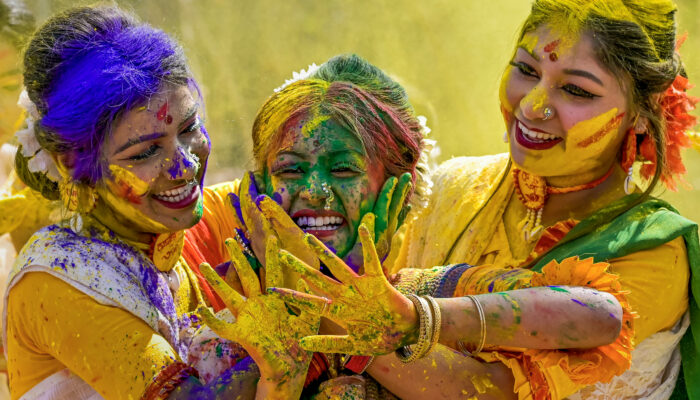
Dreams often translate everyday experiences into symbolic narratives that reflect the dreamer’s subconscious concerns. The Indian celebration known as Holi—renowned for its explosion of colored powders, music, and communal revelry—provides a potent visual and emotional template for such narratives. When Holi appears in a dream, the imagery can convey messages about emotional release, renewal, and social connection.
Symbolic Elements of Holi in Dreams
In the dream context, the principal symbols associated with Holi are color, water or powder, and collective celebration. Each element carries a set of conventional meanings:
| Symbol | Typical Dream Meaning |
|---|---|
| Red powder | Passion, intense desire, or unresolved anger. |
| Blue powder | Calmness, spiritual yearning, or a need for emotional balance. |
| Yellow powder | Optimism, intellectual curiosity, or the emergence of new ideas. |
| Green powder | Growth, healing, or a reconnection with nature. |
| Water or liquid colors | Emotional cleansing, the flow of feelings, or the dissolution of old patterns. |
| Group dancing or singing | Desire for belonging, social support, or the integration of disparate parts of the self. |
These associations are not universal; personal experiences with particular colors or festival rituals may modify their interpretation.
Cross‑cultural Spiritual Parallels
Although Holi is rooted in Hindu tradition, its themes of renewal and unity echo across several religious frameworks:
- Hinduism: Holi commemorates the divine love of Krishna and Radha and the triumph of good over the demoness Holika, symbolising the victory of devotion over ego.
- Christianity: The festival’s emphasis on springtime rebirth parallels Easter’s celebration of resurrection, both suggesting a transition from darkness to light.
- Islam: While Holi is not observed in Islamic practice, the values of communal harmony, generosity, and compassion reflected in the festival align with the Qur’anic concept of Ummah—the unified community of believers.
Dreams that blend Holi imagery with motifs from these traditions may signal an inner synthesis of spiritual values, urging the dreamer toward a more inclusive worldview.
Psychological Perspective
From a modern psychological standpoint, Holi functions as a symbolic arena for catharsis. The act of throwing colors can be viewed as a metaphor for releasing suppressed emotions. In dreams, this may manifest as:
- Feeling liberated after applying or receiving color.
- Experiencing a sudden shift in mood that mirrors the rapid change of hue.
- Observing others covered in color, which can denote empathy or the projection of one’s own emotional state onto the social environment.
Such dreams frequently arise during periods of transition—career changes, relational upheavals, or significant life milestones—when the subconscious seeks a vivid outlet for processing affect.
Practical Guidelines for Interpreting Holi Dreams
When analyzing a Holi‑related dream, consider the following steps:
- Identify the dominant colors. Note which hues appear most prominently and recall any personal associations you have with those colors.
- Observe your emotional response. Were you joyful, anxious, or overwhelmed? Your affective state often points to the underlying issue.
- Assess the social context. Were you alone, with friends, or part of a larger crowd? This can reveal whether the dream addresses personal intimacy or broader community concerns.
- Relate to current life events. Match the symbolic content to recent experiences of loss, renewal, or desire for connection.
Applying these questions can transform a vivid Holi tableau into a concrete roadmap for personal growth.
Conclusion
Holi’s kaleidoscopic spectacle offers a fertile canvas for the dreaming mind. Whether interpreted through cultural, spiritual, or psychological lenses, the festival’s core messages—joyful release, communal unity, and the promise of renewal—remain consistent. Recognising these themes within a dream can encourage the dreamer to embrace emotional honesty, foster stronger relationships, and welcome the transformative potential that each new hue represents.
FAQ
What does it mean to dream of being covered in Holi colors?
It often signifies a desire for emotional expression and a need to release suppressed feelings.
If I only see one color in a Holi dream, does it have a specific meaning?
Yes, individual colors carry distinct symbolism; for example, red may point to passion or anger, while blue suggests calmness or introspection.
Can a Holi dream indicate spiritual renewal?
Many traditions link Holi’s springtime celebration with rebirth, so such a dream can reflect an unconscious yearning for personal or spiritual renewal.





Leave a Reply