
Short Answer
Introduction
In the study of oneiric symbolism, the image of a pilgrimage to Mecca emerges as a vivid metaphor for inner quests. While the city itself holds a central place in Islamic faith as the destination of the Hajj, the dream motif transcends a single religion, resonating with universal themes of devotion, community, and self‑realization. This article surveys the principal meanings attributed to dreams of going to Mecca, drawing on Islamic theology, comparative religious perspectives, and Jungian analytical psychology.
Symbolic Significance in Islam
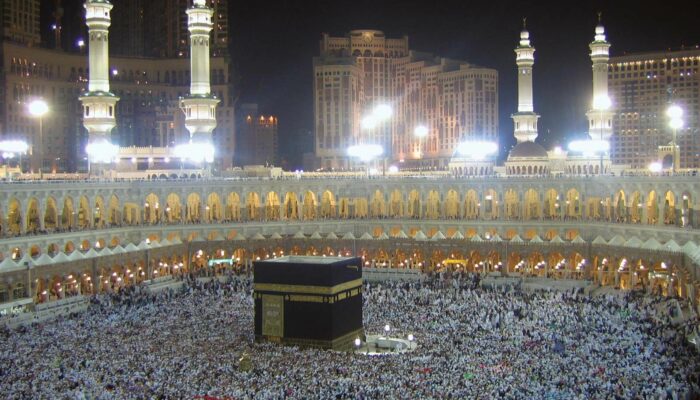
Within Islamic tradition, Mecca (u0645u0643u0629) is the birthplace of the Prophet Muhammad and the site of the Kaaba, the focal point of the five daily prayers. The Hajj, one of the Five Pillars of Islam, obliges every Muslim who is physically and financially able to perform the pilgrimage at least once in a lifetime. Consequently, a dream of traveling to Mecca often signifies:
- Spiritual renewal: a desire to deepen one’s faith or to prepare for the actual Hajj.
- Purification of intention (niyyah): an unconscious reminder to align actions with sincere religious purpose.
- Community belonging: the feeling of unity with the global Ummah (muslim community).
Classical Islamic dream literature (u062au0628u0627u0633u064au0631 u0627u0644u0631u0648u0622u064a) treats such visions as auspicious, especially when the dreamer is already considering the pilgrimage in waking life.
Comparative Religious Perspectives
Although Mecca is uniquely Islamic, the broader motif of pilgrimage appears in many faiths. In Christianity, pilgrimages to holy sites (e.g., Jerusalem, Santiago de Compostela) symbolize a seeker’s movement toward divine encounter. Dreaming of a journey to Mecca can therefore be interpreted as a generic pilgrimage archetype—a quest for meaning, moral fortitude, or a closer relationship with the divine.
In Judaic tradition, the concept of “Aliyah” (ascent) to the Temple in Jerusalem parallels the upward spiritual movement evoked by a Meccan pilgrimage. Thus, the dream may echo a universal longing for sacred proximity rather than a strictly Islamic reference.
Psychological Interpretations
From a Jungian standpoint, the dream of going to Mecca functions as an archetypal image of individuation. The Kaaba, as a fixed point around which the faithful circumambulate, can be seen as a symbol of the Self—a central organizing principle that integrates conscious and unconscious material. The journey therefore represents the dreamer’s movement toward psychological wholeness.
Key psychological themes include:
- Integration of opposites: the tension between personal autonomy and communal belonging.
- Search for purpose: a subconscious signal that the individual feels adrift and seeks a unifying goal.
- Resolution of inner conflict: the act of pilgrimage suggests a willingness to confront and reconcile inner discord.
Common Themes and Personal Context
The specific details of the dream—such as the presence of a crowd, the condition of the Kaaba, feelings of ease or difficulty—modify its meaning. For example:
- If the dreamer feels peaceful while approaching Mecca, it may indicate readiness for spiritual advancement.
- If the journey is obstructed or the pilgrim feels lost, it could reflect current life obstacles or doubts about faith.
- Encountering light or hearing the call to prayer (u0627u0644u0623u062fu0627u0629) often underscores a call to deeper moral reflection.
Practical Guidance for Dreamers
When interpreting this dream, consider the following steps:
- Reflect on your current spiritual or existential concerns.
- Note the emotional tone of the dream—calm, anxiety, awe, etc.
- Identify any real‑world plans related to travel, religious study, or community involvement.
- Journal the symbols that stood out (e.g., the Kaaba, the crowd, desert landscape) and explore personal associations.
- If you are Muslim, discuss the dream with a knowledgeable imam; if not, consider consulting a therapist familiar with symbolic work.
These actions can transform a vivid night‑time image into a concrete catalyst for personal growth.
Conclusion
Dreaming of going to Mecca intertwines spiritual, cultural, and psychological dimensions. Whether viewed through the lens of Islamic doctrine, comparative pilgrimage symbolism, or Jungian individuation, the motif points to a deep‑seated yearning for unity, purpose, and self‑integration. By attending to the dream’s nuances, the dreamer can gain valuable insight into their inner journey and, potentially, their outward path toward greater meaning.
FAQ
What does it mean if I feel lost while dreaming of traveling to Mecca?
Feeling lost may indicate current life obstacles or uncertainty about your spiritual direction, suggesting a need for clarification and guidance.
Can this dream predict an actual pilgrimage?
The dream does not guarantee a future Hajj, but many Muslims view it as a subconscious preparation or encouragement to consider the pilgrimage.
How can non‑Muslims interpret this dream?
For non‑Muslims, the dream often functions as a universal pilgrimage symbol, reflecting a broader search for meaning, community, or personal transformation.





Leave a Reply