
Short Answer
Introduction
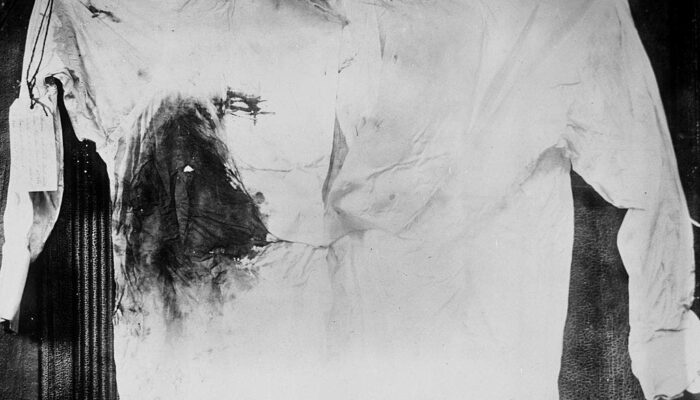
The motif of being shot—especially in the chest—appears frequently in dream narratives. Because the chest houses the heart and lungs, it is commonly associated with the emotional and spiritual core of the self. When a dreamer awakens from such a vivid scene, the lingering sensations of pain, vulnerability, or shock often prompt a search for meaning.
Psychological Interpretations
From a contemporary psychological standpoint, the chest represents the center of feeling and personal identity. A gunshot to this area can therefore symbolize:
- Emotional injury: feelings of betrayal, heartbreak, or deep disappointment.
- Perceived threat: an external pressure—such as work stress, relationship conflict, or health concerns—that feels invasive.
- Repressed anger: a sudden, violent image may be the mind’s way of releasing pent‑up aggression.
Research on dream content suggests that traumatic or highly emotional experiences are more likely to be replayed in symbolic form during REM sleep (Domhoff, 2003). The act of being shot can thus be a metaphorical “wound” that the subconscious is urging the dreamer to acknowledge.
Spiritual and Religious Perspectives
Christianity
In Christian symbolism, the chest is linked to the heart, which the Bible frequently describes as the seat of love, compassion, and moral decision‑making (Proverbs 4:23). A dream of being shot in the chest may be interpreted as a call to examine one’s spiritual health, to seek forgiveness, or to prepare for a period of sacrifice and renewal. Some pastoral counselors suggest viewing the dream as an invitation to pray for healing and to reconnect with a supportive faith community.
Islam
Islamic tradition regards dreams as reflections of the soul’s state. Being shot in the chest can be seen as a warning of upcoming trials or a reminder to strengthen one’s reliance on Allah (Qur’an 2:286). Scholars such as Ibn Sirin advise the dreamer to increase prayers (salat) and charitable acts to counterbalance the perceived spiritual danger.
Other Traditions
In Hindu mythology, the chest (or “hridaya”) is associated with the goddess Shakti, the source of inner power. A violent injury may indicate a blockage of creative energy that needs to be released through meditation or yoga. Indigenous cultures often view the chest as the “seat of the spirit”; an assault on this area can be interpreted as a spirit‑world communication urging the individual to address unresolved communal or familial tensions.
Cultural and Mythological Context
Across cultures, firearms are symbols of power, control, and sudden change. When these symbols appear in dreams, they frequently reflect societal anxieties—such as exposure to violence in media or personal experiences with aggression. The chest, as the focal point of life‑force, intensifies the symbolic weight, making the dream a potent indicator of the dreamer’s current life situation.
Jungian and Archetypal Analysis
Carl Jung described the “shadow” as the part of the psyche that contains repressed instincts and undesirable traits. The archetype of being shot can represent a confrontation with the shadow, forcing the dreamer to integrate disowned aspects of self. The chest, as a universal symbol of the heart, aligns with Jung’s idea of the “self”—the central governing principle of the psyche. Encountering a violent act directed at this area may signal a pivotal moment of individuation, where the dreamer must reconcile inner conflicts to achieve psychological wholeness.
| Archetype | Possible Meaning in Chest‑Shot Dream |
|---|---|
| Shadow | Unacknowledged anger or fear surfacing. |
| Self | Call to integrate fragmented parts of identity. |
| Anima/Animus | Emotional imbalance within relational dynamics. |
Healing, Integration, and Practical Guidance
Dreams of being shot in the chest can be unsettling, but they also offer a roadmap for personal growth. Consider the following steps:
- Journaling: Write down the full dream narrative, noting emotions, colors, and any people present.
- Identify Triggers: Reflect on recent life events that may correspond to feelings of vulnerability.
- Seek Support: Discuss the dream with a therapist, spiritual advisor, or trusted friend to gain external perspectives.
- Body‑Mind Practices: Engage in activities such as breathwork, yoga, or tai chi that focus on the chest area to release stored tension.
- Symbolic Action: Create a ritual—like lighting a candle or writing a letter of forgiveness—to symbolically “heal” the wound.
“Dreams are the royal road to the unconscious; when they bring us pain, they are asking us to pay attention to what we have been ignoring.” – Carl Jung
Conclusion
The image of being shot in the chest is a multifaceted symbol that can point to emotional trauma, spiritual challenges, cultural anxieties, or deep archetypal work. By examining the dream through psychological, religious, and mythic lenses, the dreamer can transform a moment of fear into an opportunity for insight, healing, and personal evolution.
FAQ
What does it mean if I repeatedly dream about being shot in the chest?
Recurring chest‑shot dreams often indicate an unresolved emotional wound that the subconscious is urging you to address, such as lingering grief or a persistent sense of vulnerability.
Can this dream suggest a physical health issue?
While most interpretations focus on symbolic meaning, some dream researchers suggest paying attention to any chest‑related physical symptoms and consulting a medical professional if concerns arise.
How can I use this dream for personal growth?
Begin by journaling the details, explore associated feelings, and engage in therapeutic or spiritual practices that promote heart‑centered healing, such as mindfulness, counseling, or prayer.


Leave a Reply