

Short Answer
Introduction to Furniture in Dreams
Have you ever pondered the subtleties of a dream featuring furniture? Perhaps a rickety chair, an ornately carved table, or a plush sofa made an appearance in your nightly escapades. Far from being mere background scenery, furniture in the dream world often serves as a powerful symbol of our relationships, our stability, and our internal emotional architecture.
Dreams act as a portal to the subconscious, offering glimpses into our innermost thoughts, fears, and desires. By paying attention to the furnishings that surround us in these visions, we can uncover a treasure trove of meanings that provide insight into our waking lives. This exploration delves into the interpretation of furniture through the lenses of symbolic analysis, spiritual traditions, and psychological theory.
Symbolic Analysis and Logical Reasoning
To interpret furniture, one can employ syllogism—a form of reasoning where a conclusion is drawn from two premises. For example: A chair is designed to provide support; a broken chair fails to provide support; therefore, a broken chair in a dream may indicate a lack of support in the dreamer’s life.
Furniture can generally be categorized by its function, each yielding unique implications:
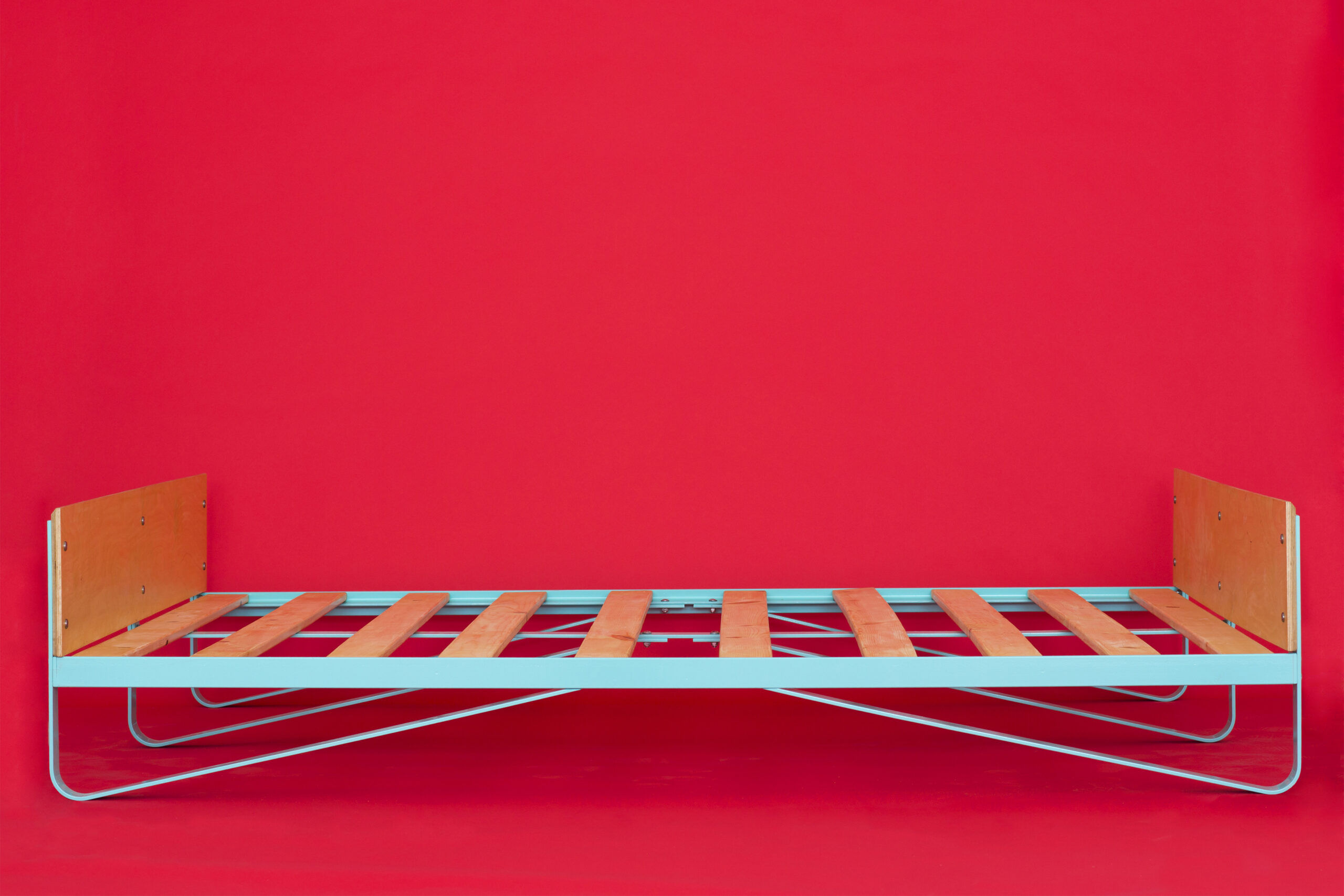
- Support Furniture: Items like beds and chairs often reflect the dreamer’s need for stability, security, or rest. A sturdy bed may signify emotional grounding, while a collapsing chair suggests instability.
- Utility Furniture: Tables and desks often relate to productivity, communication, and the “work” of the psyche.
- Aesthetic/Luxury Furniture: Ornate or expensive pieces may suggest aspirations for success, social status, or a desire for greater comfort.
When furniture appears scattered or mismatched, it often mirrors a sense of disarray or confusion in the dreamer’s current life circumstances.
Spiritual and Cultural Interpretations
In various cultural paradigms, furniture transcends its literal role and embodies deeper spiritual meanings. These interpretations often vary significantly across different faith traditions:
Biblical and Christian Perspectives
In Christian biblical interpretation, furniture can symbolize the inner workings of the soul or divine fellowship. For instance, the table in the context of the Last Supper serves as a metaphor for communion and the gathering of spirits. Dreaming of tables may thus signify a yearning for a deeper connection with the divine or a longing for community.
Islamic Teachings
Within Islamic dream interpretation, specific pieces of furniture can denote authority or humility. A throne may symbolize responsibility, power, and the weight of leadership, prompting the dreamer to reflect on their role in society. Conversely, a simple mat can represent submission to God’s will and the virtue of humility.
Eastern Influences
In Japanese culture, the low table is a symbol of simplicity and a profound connection to the earth. Dreaming of such minimalist furniture may encourage the dreamer to pursue a more mindful, minimalist lifestyle or to seek a closer bond with nature.
Psychological Perspectives on Furnishings
From a psychological standpoint, furniture often represents the structure of the human psyche.
Freudian Analysis
Sigmund Freud viewed dreams as the “royal road to the unconscious.” In this context, the organization of furniture in a dream reflects the dreamer’s mental state. A well-organized living room suggests emotional stability, whereas an unkempt space filled with mismatched furniture may indicate psychological turmoil or unresolved internal conflicts.
Jungian Archetypes
Carl Jung posited that dream symbols can represent archetypes from the collective unconscious. Furniture may embody aspects of the Persona (the mask we wear) or the Shadow (the hidden parts of ourselves). For example:
- A Majestic Wardrobe: May symbolize the dreamer’s identity, self-image, or the “roles” they choose to wear.
- Empty Spaces: An area where furniture once stood can signify a sense of loss, emptiness, or a lack of emotional fulfillment.
The material condition of the furniture—whether dilapidated, magnificent, or purely functional—further reveals the dreamer’s perception of their own self-worth and societal standing.
Conclusion: The Interconnected Tapestry
Ultimately, the meanings of furniture in dreams weave together a rich tapestry of cultural, spiritual, and psychological insights. Whether you are reclining in an opulent chair or standing amidst shattered remains, these elements are invitations to introspect. By listening to these symbolic whispers, you can navigate your waking life with deeper awareness and a more profound understanding of your subconscious mind.
FAQ
What does it mean to dream of broken furniture?
It typically symbolizes a lack of support, instability in your life, or a breakdown in your emotional structure.
Why is a table significant in dreams?
Tables often represent community, communication, and the way we 'serve' or interact with others in our social and spiritual lives.
Does the luxury of the furniture matter?
Yes, opulent furniture often relates to self-worth, social status, or aspirations, while simple furniture may reflect humility or a need for minimalism.


Leave a Reply