
Short Answer
Overview
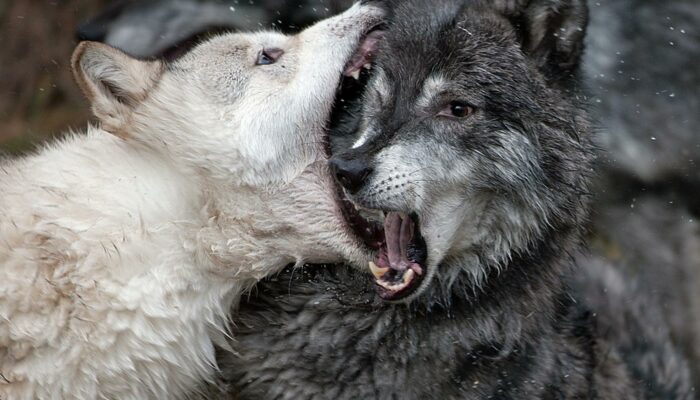
Dreams in which the dreamer engages in a fierce fight with a wolf are rich in symbolic meaning. The wolf, a creature revered for its cunning, freedom, and social complexity, can represent both external threats and internal aspects of the psyche. This article examines the multiple layers of interpretation—cultural, religious, and psychological—while highlighting the importance of emotional tone and contextual details.
Symbolic Foundations of the Wolf
Across mythologies and folklore, the wolf embodies contradictory qualities:
- Strength and ferocity – a predator that commands respect.
- Community and loyalty – living in packs, symbolising social bonds.
- Independence and wilderness – a representation of untamed nature.
- Deception and cunning – often portrayed as a trickster.
When a dream presents a fight with this animal, the encounter typically reflects a struggle against one or more of these attributes.
Psychological Interpretations
Jungian Shadow Work
Carl Jung described the “shadow” as the collection of unconscious, repressed aspects of the self. A wolf in combat can serve as a vivid manifestation of the shadow, urging the dreamer to confront traits such as aggression, fear, or primal urges that have been denied or ignored. Integrating the shadow leads to greater psychological wholeness.
Instinctual Drives and Personal Conflict
From a modern psycho‑analytic perspective, the wolf may symbolize instinctual drives that clash with societal expectations. The fight represents an internal negotiation between personal ambition (the wolf’s freedom) and the constraints of responsibility or morality.
Emotional Tone as a Diagnostic Tool
The feelings experienced during the dream are crucial for accurate interpretation:
- Fear or panic – suggests unresolved anxiety or a perceived threat in waking life.
- Determination or triumph – indicates growing confidence and the ability to master challenges.
- Confusion or ambivalence – may point to mixed emotions about a particular situation.
Spiritual and Religious Perspectives
Christian Symbolism
In many Christian traditions, the wolf is a metaphor for evil, deception, or spiritual danger. Fighting a wolf can be read as a personal battle against sin, temptation, or moral corruption—echoing biblical images of shepherds protecting flocks from predatory wolves.
Islamic Views
Islamic narratives sometimes portray wolves as both perilous and instructive. A struggle with a wolf may symbolize a fight against ignorance or deviation from the righteous path, urging the believer to reaffirm faith and seek knowledge.
Indigenous and Shamanic Interpretations
Among various Indigenous cultures, the wolf is a teacher and a guide. Engaging a wolf in combat could represent a rite of passage, where the dreamer is challenged to prove courage, earn respect, and integrate the animal’s wisdom into daily life.
Contextual Elements That Influence Meaning
Beyond symbolism, the setting and details of the dream shape its interpretation:
- Location: A dark forest may highlight primal fears; a familiar home setting could point to personal, domestic concerns.
- Outcome: Victory suggests empowerment; defeat may signal lingering vulnerability.
- Companions: Presence of allies (friends, family) can indicate support systems in the waking world.
Practical Guidance for Dreamers
- Reflect on recent life stressors that might correspond to the wolf’s attributes.
- Journal the dream, noting emotions, setting, and outcome.
- Consider whether the wolf feels threatening, protective, or instructive.
- Explore shadow work techniques—such as meditation or therapy—to integrate repressed aspects.
- If the dream aligns with spiritual themes, consult relevant religious texts or mentors for deeper insight.
Conclusion
Dreams of fighting a wolf weave together cultural myths, spiritual allegories, and deep psychological processes. Whether viewed as a confrontation with the shadow self, a test of moral resolve, or a symbolic rite of passage, the encounter invites the dreamer to engage with hidden fears, harness inner strength, and move toward greater self‑awareness.
FAQ
What does it mean if I win the fight against the wolf?
Victory often reflects growing confidence, the successful integration of repressed traits, or overcoming a real‑world challenge.
Why do I feel terrified during the wolf fight?
Intense fear signals unresolved anxiety or a perceived threat that the subconscious is urging you to address.
Can the wolf represent a person in my life?
Yes, the wolf may symbolize someone who appears powerful, cunning, or threatening, prompting you to examine that relationship.




Leave a Reply