
Short Answer
Cultural Contexts of Exorcism in Dreams
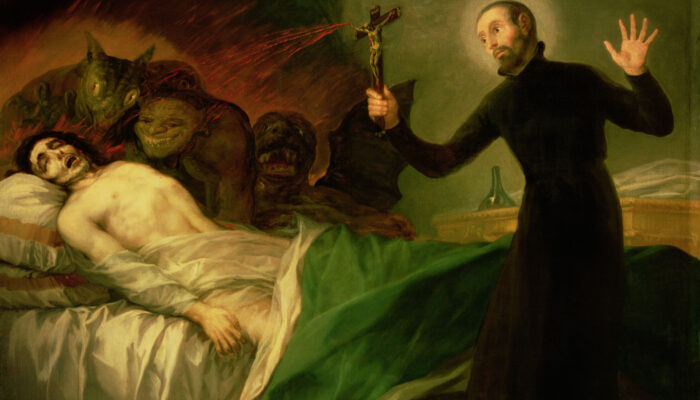
Across centuries and continents, exorcism has been portrayed as a ritual to expel unwanted forces. When the motif surfaces in a dream, it often mirrors the dreamer’s awareness of those cultural narratives. In Christian traditions the rite is linked to the biblical battle between good and evil, while in Islam the practice of Ruqyah relies on Qur’anic recitation to drive away jinn. Indigenous and Eastern belief systems may frame exorcism as a restoration of balance between the individual and the natural world. These cultural backdrops provide a language through which the subconscious expresses feelings of oppression, guilt, or the desire for renewal.
Symbolic Interpretation of the Exorcism Motif
Dream symbols function as metaphors. An exorcism scene typically denotes a struggle to purge negative elements from the psyche. Common symbolic layers include:
- Negative emotions such as shame, fear, or unresolved trauma that feel “possessing” the dreamer.
- Moral dilemmas where the dreamer confronts personal ethical choices, often visualized as a battle between light and darkness.
- Desire for empowerment expressed through the act of casting out a demon, indicating a wish to regain control over one’s life.
In many cases the exorcist represents an aspect of the self—perhaps a wise mentor, a religious figure, or an inner authority—guiding the dreamer toward self‑acceptance.
Spiritual Significance Across Traditions
Different faiths assign distinct meanings to exorcism dreams:
- Christianity: The dream may signal a need for repentance, a call to reconnect with divine grace, or an invitation to experience spiritual rebirth.
- Islam: A Ruqyah‑style exorcism can reflect anxieties about unseen influences (jinn) and encourage the dreamer to seek protection through prayer and remembrance.
- Eastern and Indigenous practices: The focus shifts toward restoring harmony among body, mind, and spirit, with the exorcist acting as a healer who re‑aligns the dreamer with natural cycles.
Regardless of the tradition, the underlying theme is transformation—moving from a state of spiritual blockage toward greater wholeness.
Psychological Perspectives
From a psychoanalytic viewpoint, exorcism dreams can be read through two major lenses:
- Freudian repression: Sigmund Freud suggested that repressed urges and memories surface as externalized conflicts. The demon becomes a stand‑in for forbidden wishes, and the exorcism dramatizes the mind’s attempt to resolve the tension.
- Jungian individuation: Carl Jung identified the “shadow” as the dark, unconscious part of the personality. Dreaming of an exorcism aligns with the archetypal process of confronting the shadow, integrating it, and moving toward psychological wholeness.
Modern dream research also links such vivid rituals to heightened emotional arousal during REM sleep, which can amplify symbolic content.
Conclusion
Exorcism in dreams serves as a multi‑layered symbol that bridges cultural myth, spiritual yearning, and deep psychological processes. Whether interpreted as a call for moral realignment, a ritual of spiritual cleansing, or a dramatization of the shadow self, the motif invites the dreamer to explore hidden anxieties and pursue personal renewal.
FAQ
What does it mean if I dream of performing an exorcism?
It often reflects a desire to take control of troubling thoughts or emotions and to cleanse yourself of perceived negativity.
Can an exorcism dream indicate real spiritual issues?
Dreams are symbolic; while they may echo personal beliefs, they are not evidence of literal possession.
Why do cultural details (e.g., a priest vs. a sheikh) appear in the dream?
The mind uses familiar religious symbols to frame internal conflicts, drawing on the cultural background of the dreamer.




Leave a Reply