
Short Answer
Overview
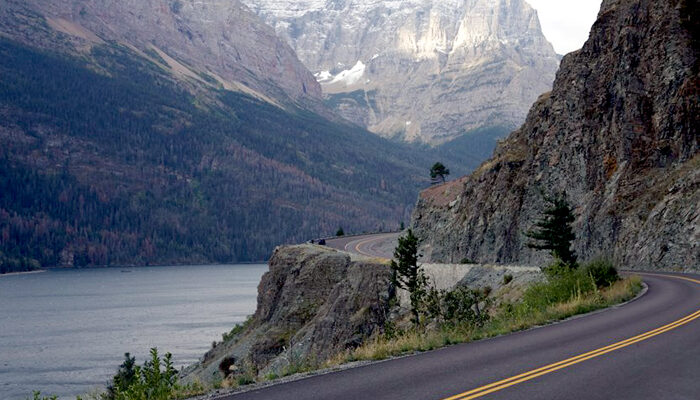
Dreams of driving up a mountain are vivid metaphors that combine the physical act of ascent with inner journeys of growth, ambition, and spiritual seeking. The image merges a modern vehicle—representing the conscious ego—with the timeless symbol of the mountain, which has long stood for obstacles, higher aspirations, and the sacred.
Symbolic Interpretation
Personal Growth and Ambition
In many dream‑analysis frameworks, a mountain embodies a formidable challenge. When the dreamer is actively driving upward, it signals a proactive approach to overcoming those challenges. The steeper the road, the greater the perceived effort, suggesting a strong desire to achieve higher goals, gain new perspectives, or reach a state of personal fulfillment.
Spiritual Significance Across Traditions
Mountains hold profound spiritual meaning in numerous cultures. The ascent can therefore reflect a yearning for deeper connection, enlightenment, or divine guidance.
- Christianity: Mountains are sites of revelation (e.g., the Transfiguration). Climbing may indicate a longing for spiritual awakening.
- Islam: The Qur’an describes mountains as stabilizers of the earth, symbolising God’s power. Driving upward can represent a quest for divine wisdom.
- Hinduism & Buddhism: Peaks are pathways to moksha or nirvana. The climb mirrors the disciplined effort required for enlightenment.
- Indigenous traditions: Mountains are sacred places where the earthly meets the celestial, often used for prayer and vision quests.
Thus, the dream may be urging the sleeper to pursue a higher spiritual purpose or to deepen existing faith.
Psychological Perspectives
Freud’s Wish‑Fulfillment Theory
Sigmund Freud regarded dreams as disguised wish fulfillments. The mountain’s height can symbolize the magnitude of an unconscious desire—perhaps for success, recognition, or mastery—while the act of driving illustrates the conscious mind’s effort to actualise that wish.
Jungian Archetype of the Mountain
Carl Gustav Jung identified the mountain as an archetype of the Self, representing the integration of disparate aspects of the psyche. Driving upward therefore mirrors the process of individuation, the journey toward wholeness and authentic self‑realisation.
Contemporary Views
Modern dream researchers often link this motif to stress appraisal. A smooth, well‑paved ascent may reflect confidence, whereas a treacherous, winding road can signal anxiety about the feasibility of current life goals.
Emotional Tone and Context
The emotional backdrop of the dream—whether excitement, fear, or determination—provides crucial clues. A feeling of exhilaration suggests optimism about overcoming obstacles, while dread may highlight underlying self‑doubt or fear of failure.
Conclusion
Driving up a mountain in a dream integrates personal ambition, spiritual symbolism, and deep‑seated psychological processes. By recognising the layered meanings—cultural, spiritual, and analytical—individuals can gain valuable insight into their current life trajectory and harness the dream’s message as a catalyst for growth and self‑discovery.
FAQ
What does it mean if I feel fear while driving up a mountain in a dream?
Fear often reflects anxiety about the difficulty of a current life challenge, suggesting the dreamer perceives the path to their goal as risky or uncertain.
Can this dream indicate a need for spiritual growth?
Many traditions associate mountain ascent with spiritual ascent, so the dream may be urging the sleeper to seek deeper meaning or connection.
How does the car represent the self in this dream?
The vehicle can symbolize the conscious ego navigating the terrain of the unconscious, with the climb mirroring personal development.



Leave a Reply