
Short Answer
Overview
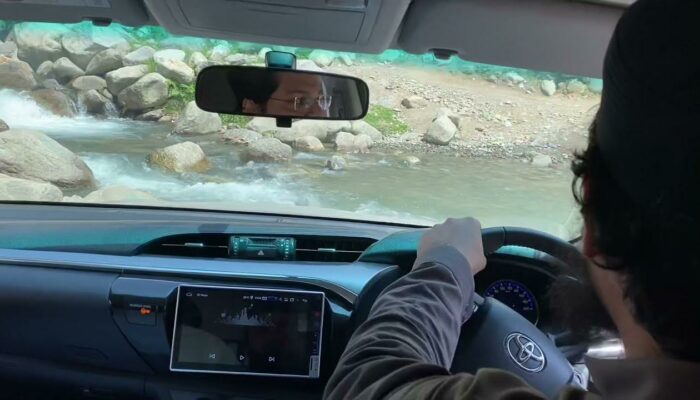
In the realm of dream interpretation, the image of a vehicle gliding across a body of water is strikingly vivid. It combines two potent symbols—driving, which often denotes control and direction, and water, a classic representation of emotions, the unconscious, and change. Together, they invite a multilayered analysis that spans spiritual traditions, psychological theory, and cultural folklore.
Symbolic Elements
Driving in dreams typically reflects the dreamer’s sense of agency, ambition, or the path they are taking in waking life. Water is widely recognized as a metaphor for feelings, the collective unconscious, and the flow of life. When the two merge, the dream suggests navigating emotional currents while maintaining personal control.
Syllogistic Interpretation
- Driving symbolizes direction and personal control.
- Water symbolizes emotions and the unconscious mind.
- Therefore, driving over water indicates navigating one’s emotions with a sense of control.
This logical framework provides a concise entry point for deeper exploration.
Spiritual Perspectives
Christianity
In Christian symbolism, water is associated with purification, baptism, and divine grace. Biblical narratives such as Moses parting the Red Sea or Jesus walking on water emphasize triumph over chaos through faith. Dreaming of driving over water can thus be read as a personal rite of purification or a sign of spiritual progress guided by divine assistance.
Islam
Islamic tradition also regards water as a source of life, mercy, and spiritual renewal. The Qur’an frequently likens divine guidance to water that sustains and cleanses. A dream in which one traverses water may imply reliance on divine support while confronting emotional turbulence or life transitions.
Psychological Perspectives
Jungian Analysis
Carl Jung identified water as an archetype of the collective unconscious, embodying the depths of the psyche that lie beneath conscious awareness. Driving over water, from a Jungian viewpoint, can represent the dreamer’s conscious effort to integrate unconscious material—acknowledging hidden feelings, confronting vulnerabilities, and moving toward individuation.
Contemporary Views
Modern dream research suggests that such images often surface during periods of change, grief, or heightened emotional awareness. The dream may serve as a metaphorical rehearsal, preparing the sleeper to face real‑world emotional challenges with composure and confidence.
Cultural Variations
Across cultures, water holds both creative and destructive connotations. In some Indigenous traditions, water is a source of power and renewal; in certain Asian folklore, it can symbolize chaos or the unknown. Consequently, a dreamer’s cultural background can color the interpretation—whether the water is seen as a nurturing river or a foreboding sea.
Practical Implications
Understanding this dream can aid personal growth. If the dream evokes confidence, it may reinforce the dreamer’s belief in their ability to manage emotions. Conversely, feelings of anxiety while driving may signal hidden stress or a need to develop greater emotional resilience.
Conclusion
The motif of driving over water weaves together themes of control, emotional navigation, spiritual transformation, and psychological integration. By examining the dream through multiple lenses—logical, religious, Jungian, and cultural—individuals can gain nuanced insight into their inner world and the challenges they face in waking life.
FAQ
What does it mean if I feel frightened while driving over water in a dream?
Fear often indicates unresolved emotional turbulence or a perception that you lack control over current life circumstances.
Can this dream suggest I am ready for a major life change?
Yes. The act of successfully navigating water can symbolize confidence in handling upcoming transitions.
Do cultural beliefs affect how this dream is interpreted?
Cultural context shapes the symbolism of water; some traditions view it as nurturing, others as chaotic, influencing the dream’s perceived meaning.



Leave a Reply