
Short Answer
Introduction
Decorating is an everyday activity that, when it appears in dreams, can carry a surprisingly rich set of meanings. Whether the dreamer is arranging furniture, selecting colors, or hanging artwork, the act often mirrors an inner yearning for harmony, identity, or spiritual connection. This article examines the symbolic language of decorating dreams through the lenses of mythology, religion, psychology, and cultural tradition.
Symbolic Interpretation of Decorating Dreams
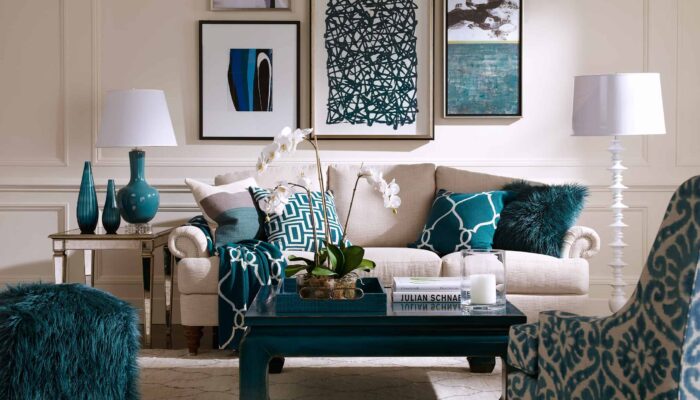
In dream symbolism, decorating represents the process of shaping one’s personal environment—both external and internal. The visual elements of a dream (vibrant pillows, orderly shelves, chaotic clutter) function as metaphors for emotional states, aspirations, and unresolved conflicts.
- Joyful arrangement of bright objects – suggests a desire to inject vitality and optimism into a stagnant area of life.
- Struggling to find the right piece – may reflect anxiety about making decisions or fitting into social roles.
- Empty rooms or barren walls – can indicate feelings of emptiness, lack of purpose, or a need for self‑definition.
Spiritual Perspectives
Christianity
Within Christian tradition, the embellishment of sacred spaces (stained glass, icons, nativity scenes) symbolizes reverence for the divine. Dreaming of decorating a home or a chapel can be interpreted as an unconscious call to honor God’s creation and to cultivate a life of intentional beauty and order.
Islamic Tradition
Islamic art emphasizes geometric patterns, calligraphy, and balanced composition, reflecting the principle of tawhid (unity). A dream that features intricate tile work or harmonious design may signal a yearning for spiritual balance, humility, and a reminder of the divine order that underpins the universe.
Celtic and Other Indigenous Practices
Ancient Celtic rituals used seasonal decorations—such as wreaths of holly or harvested grain—to align the household with nature’s cycles. When such motifs appear in dreams, they often point to a subconscious desire to reconnect with natural rhythms and to honor the cyclical nature of life.
Psychological Interpretation
From a Jungian viewpoint, decorating is an act of individuation, the process of integrating unconscious material into conscious awareness. The style and content of the décor can reveal personality traits:
- Eclectic mix of styles – indicates openness, curiosity, and a willingness to explore multiple aspects of the self.
- Minimalist, monochrome spaces – suggest a preference for clarity, control, and reduction of internal noise.
- Cluttered, chaotic rooms – often mirror stress, overwhelm, or unresolved emotional baggage.
Environmental psychology supports these observations, showing that well‑designed surroundings boost mood, self‑esteem, and productivity, whereas disorder can increase anxiety.
Cultural Context and Traditional Design Systems
Different cultures embed specific philosophies into interior design:
- Feng Shui (Chinese) – emphasizes the flow of chi through placement of furniture, colors, and natural elements. Dreaming of arranging items according to Feng Shui principles may indicate a subconscious attempt to balance personal energy.
- Vastu Shastra (Indian) – aligns architecture with cosmic forces. Dreams featuring Vastu‑aligned spaces can reflect a desire for harmony with larger universal patterns.
- Scandinavian hygge – focuses on coziness and warmth. A dream of creating a hygge‑inspired nook may signal a need for comfort and emotional safety.
Practical Implications for Dreamers
Understanding the nuances of a decorating dream can guide personal growth:
- Identify the emotional tone of the dream (joyful, frustrated, indifferent).
- Notice specific objects or colors and associate them with current life situations.
- Reflect on whether your waking environment aligns with the desires expressed in the dream.
- Consider making small, intentional changes in your physical space to support the psychological insight gained.
Conclusion
Decorating dreams serve as a vivid metaphor for the human quest to shape both outer surroundings and inner identity. Whether interpreted through spiritual symbolism, Jungian psychology, or cultural design systems, these dreams invite us to examine how we arrange our lives, what we value, and how we seek harmony within the ever‑changing canvas of existence.
FAQ
What does it mean to dream of rearranging furniture?
It often reflects a need to reorganize aspects of your life, gaining clarity and control.
Why might a decorating dream feel stressful?
Stress in such dreams can signal feelings of inadequacy or uncertainty about making choices in waking life.
Can a decorating dream indicate spiritual growth?
Yes; many traditions view the act of beautifying a space as a metaphor for honoring the divine and aligning with higher values.




Leave a Reply