
Short Answer
Overview
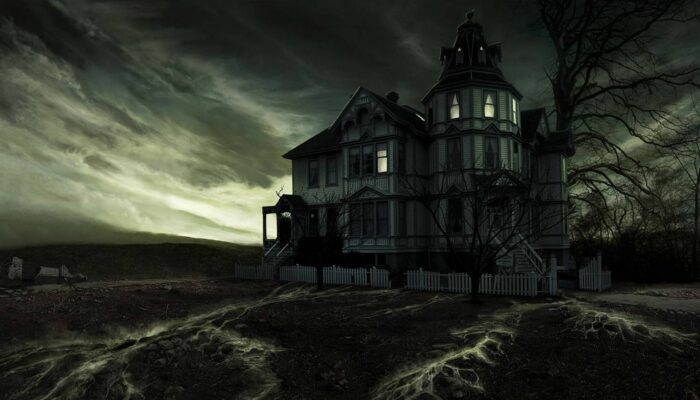
Encountering a dark house in a dream can be unsettling. The image blends the familiar (a house) with the ominous (darkness), creating a powerful metaphor for aspects of the self that are hidden, feared, or in need of attention. By examining the symbolism, cultural traditions, and psychological research surrounding this motif, dreamers can gain valuable insight into their inner world.
Symbolism of a Dark House
In dream symbolism, a house commonly represents the self, one’s psyche, or the personal life space. Darkness, on the other hand, is associated with the unknown, suppressed emotions, or fear. When these two elements combine, the dream points to parts of the self that are shrouded in shadow.
Jungian Perspective
Carl Jung taught that houses in dreams mirror the structure of the psyche, with each room reflecting a distinct emotional state or memory. A dark house, therefore, signifies the “shadow”—the unconscious material that has been ignored or denied. Engaging with this shadow can lead to integration, self‑knowledge, and healing.
Spiritual Interpretations Across Traditions
Different religious and cultural frameworks assign distinct meanings to the dark house motif.
Christianity
Within Christian symbolism, darkness often denotes sin, moral confusion, or spiritual distance from God. A dark house may be interpreted as a call to repentance, urging the dreamer to seek illumination through prayer, confession, or moral reflection.
Islam
In Islamic dream tradition, houses can convey personal and communal messages. A dark dwelling may warn of hidden adversaries, upcoming trials, or inner spiritual struggle, encouraging the seeker to turn to the Qur’an for guidance and to illuminate the heart with knowledge.
Hinduism
Hindu cosmology views darkness as a precursor to transformation. The darkness before dawn mirrors the soul’s journey through ignorance toward enlightenment. Dreaming of a dark house can signal a period of inner metamorphosis that will ultimately lead to renewal.
Psychological Perspective
Modern psychology treats the dark house as a visual representation of unresolved emotional material.
Emotional Indicators
- Anxiety or depression: The oppressive atmosphere may reflect ongoing mood disturbances.
- Trauma: Shadows can symbolize memories that have not been fully processed.
- Isolation: The enclosed, dark space may echo feelings of loneliness or withdrawal.
By acknowledging these signals, individuals can begin the work of emotional validation and therapeutic processing.
Actionable Guidance
- Keep a dream journal to capture details immediately upon waking.
- Identify any current life situations that feel “dark” or uncertain.
- Consider speaking with a therapist or counselor to explore underlying fears.
- Use symbolic lighting—visualization, meditation, or actual light—to represent the conscious effort of bringing hidden material into awareness.
Conclusion: Embracing the Shadow
The image of a dark house sits at the crossroads of symbolism, spirituality, and psychology. Rather than fearing the darkness, dreamers are invited to enter the house, turn on the light, and explore what lies within. In doing so, the dream becomes a catalyst for self‑discovery, emotional release, and spiritual growth.
“Until you make the unconscious conscious, it will direct your life and you will call it fate.” – Carl Jung
FAQ
What does it mean if I feel safe inside the dark house?
Feeling safe may indicate that you have already begun to accept and integrate hidden parts of yourself, turning fear into familiarity.
Can recurring dark house dreams suggest a serious psychological issue?
Repeated appearances often signal persistent unresolved emotions or trauma; consulting a mental‑health professional can help address the underlying cause.
How can I use this dream to foster personal growth?
Treat the dream as an invitation to explore what you are avoiding. Journaling, meditation, and therapeutic dialogue can help illuminate and integrate those aspects.




Leave a Reply