
Short Answer
Introduction
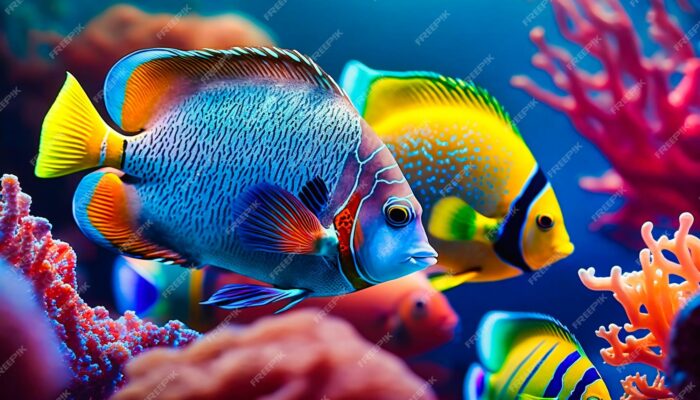
Dreams featuring bright, multicolored fish have fascinated interpreters for centuries. The combination of vivid color and the natural fluidity of fish creates a potent metaphor for the subconscious mind, where emotions, ideas, and spiritual messages intertwine. This article expands on traditional and contemporary analyses, drawing from religious texts, Jungian psychology, and cultural folklore to provide a comprehensive understanding of this motif.
What the Colors Represent
The hue of each fish can act as a visual cue for specific emotional states or psychological themes. While interpretations vary, the following table summarizes common Western associations:
| Color | Typical Meaning in Dreams |
|---|---|
| Red | Passion, anger, or urgent energy |
| Blue | Calm, intuition, or spiritual depth |
| Green | Growth, healing, or financial matters |
| Yellow/Gold | Optimism, intellect, or impending success |
| Purple | Spiritual insight, mystery, or personal transformation |
| Orange | Creativity, sociability, and enthusiasm |
When multiple colors appear together, they may indicate a complex blend of these themes, urging the dreamer to consider how contrasting feelings coexist in waking life.
Spiritual and Religious Interpretations
Across faith traditions, fish carry distinct symbolic weight. The presence of color adds nuance to those age‑old meanings.
- Christianity: The fish (ichthys) is an ancient symbol of faith and resurrection. A school of brightly colored fish can suggest a revitalized spiritual life, abundance, or divine transformation. The biblical miracle of the loaves and fishes amplifies themes of provision and generosity.
- Islam: In Islamic dream literature, fish often denote good fortune, sustenance, and divine guidance. Vibrant fish may be interpreted as an omen of upcoming blessings or a period of material and spiritual bounty.
- Buddhism and Hinduism: Fish represent freedom, adaptability, and the flow of samsara. Colorful fish can signal progress toward enlightenment, indicating that the dreamer is navigating obstacles with increasing ease.
- Indigenous and Folk Traditions: Many coastal cultures view fish as messengers from the water world, embodying fertility, community cohesion, and the health of the ecosystem. Brightly colored fish may be seen as a call to honor communal ties and respect natural cycles.
Psychological Perspectives
From a Jungian standpoint, fish are archetypal symbols of the unconscious because they inhabit the depths of water—an elemental representation of the psyche’s hidden layers. The addition of color functions as a “color‑coded” expression of specific affective contents.
Key points from contemporary dream research include:
- Dreams of fish often arise during periods of emotional fluidity, such as major life transitions.
- The act of watching fish swim can reflect the dreamer’s observation of thoughts passing without judgment—a principle used in mindfulness‑based therapies.
- When a fish is caught or dies in a dream, it may indicate fear of losing creative inspiration or confronting repressed emotions.
Therapists may employ associative techniques, asking clients to note the first word or memory that comes to mind when they see each color, thereby uncovering hidden narratives.
Social and Community Symbolism
Schools of fish move in coordinated patterns, embodying concepts of collective behavior, cooperation, and social hierarchy. Dreaming of a synchronized, colorful shoal can suggest:
- A desire for stronger connections within a social group.
- Feelings of belonging or, conversely, a sense of being lost in the crowd.
- Recognition of diverse personalities (represented by different colors) contributing to a harmonious whole.
When the fish are scattered or solitary, the dream may highlight feelings of isolation or a need to assert individuality.
Integrative Interpretation: A Practical Guide
To derive personal meaning from a colorful fish dream, consider the following step‑by‑step approach:
- Recall details: Note the number of fish, their colors, setting (ocean, river, aquarium), and any actions (swimming, being caught, dying).
- Identify emotional tone: How did you feel during the dream? Excitement, fear, awe?
- Map colors to feelings: Use the table above as a starting point, then adjust based on your personal color associations.
- Connect to life context: Relate the symbols to current challenges—career changes, relationship dynamics, spiritual quests.
- Reflect on cultural resonance: If you identify with a particular religious or cultural background, weigh those traditional meanings.
- Take action: Journaling, creative expression, or discussing the dream in therapy can help integrate insights.
Conclusion
Colorful fish in dreams serve as a multi‑layered symbol that bridges emotional intensity, spiritual messages, and social dynamics. Whether viewed through the lens of religious tradition, Jungian analysis, or everyday life experience, these vivid aquatic beings invite us to explore the depths of our inner world, celebrate diversity, and navigate the currents of personal growth.
FAQ
What does it mean if I dream of a red fish?
A red fish often points to strong passions, anger, or a pressing desire that needs attention.
Are colorful fish dreams considered positive?
Generally, they are seen as encouraging, indicating creative potential, emotional richness, or forthcoming blessings, though context matters.
Can the number of fish in the dream change its meaning?
Yes. A large school may highlight community involvement, while a single fish can emphasize personal focus or isolation.
Do cultural backgrounds affect the interpretation?
Absolutely. Religious and cultural traditions provide distinct layers of meaning that should be integrated with personal associations.




Leave a Reply