
Short Answer
Introduction
In everyday life, a cinema functions as a collective storytelling arena, projecting images that embody societal ideals, personal aspirations, and shared anxieties. When a theater, a screen, or a specific movie appears in a dream, the image often serves as a metaphor for the dreamer’s inner world. This article examines cinema‑related dreams through logical reasoning, symbolic analysis, spiritual traditions, and contemporary psychological theory.
1. Logical Framework – A Syllogistic Approach
Applying a syllogistic model helps to construct a clear line of reasoning for interpreting cinema dreams:
Premise 1: Cinema presents narratives that model human experience.
Premise 2: Dreams dramatize subconscious emotions and unresolved conflicts.
Conclusion: Therefore, dreaming of cinema likely dramatizes the dreamer’s personal narrative.
Specific dream motifs can be read within this framework:
- Full house with a cheering audience – May reflect a desire for public approval or the belief that one’s life story is being positively received.
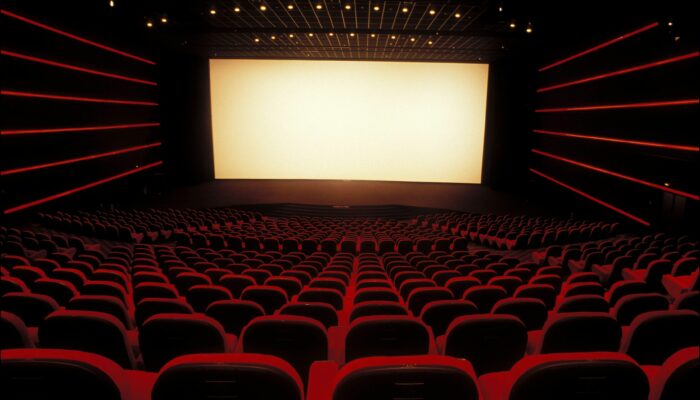
- Empty or abandoned theater – Can symbolize feelings of isolation, neglect, or the perception that one’s personal story lacks an audience.
- Distorted or surreal projection – Suggests confusion about identity or the sense that life events are being misrepresented.
2. Symbolic Dimensions of Cinema in Dreams
Beyond logical deduction, cinema carries layered symbols that resonate with universal human concerns.
2.1 The Screen as a Reflective Surface
The movie screen acts as a mirror. Watching a film in a dream may indicate a wish to observe one’s own life from a safe distance, allowing emotional processing without direct involvement.
2.2 Genres and Their Interpretive Weight
The type of film displayed adds nuance to the symbolic message:
- Romantic movie – Points to a search for intimacy, unresolved love, or a need to nurture emotional connections.
- Action thriller – Reflects internal conflict, a drive for achievement, or anxiety about overcoming obstacles.
- Documentary – Suggests a quest for truth, learning, or confronting factual aspects of one’s situation.
- Horror film – Indicates suppressed fears, trauma, or anticipation of threatening circumstances.
2.3 Physical Elements of the Theater
Details such as broken seats, malfunctioning projectors, or a dilapidated building highlight neglected personal areas, loss of motivation, or the breakdown of previously trusted structures.
3. Spiritual Interpretations Across Traditions
Religious and cultural frameworks attribute distinct spiritual significance to cinematic imagery.
3.1 Christianity
In Christian symbolism, storytelling parallels parables that convey moral lessons. A dream featuring a cinema that screens biblical narratives may be interpreted as a divine invitation to self‑examination, urging the dreamer to align actions with spiritual teachings.
3.2 Islam
Islamic tradition often regards the world as a transient spectacle (“al‑‘ālamu majālis”). A cinema dream can therefore remind the believer of life’s fleeting nature, prompting reflection on impermanence and a turn toward lasting spiritual values.
3.3 Indigenous and Worldview Perspectives
Many Indigenous cultures view dreams as portals to ancestral knowledge. Within such contexts, a cinema may symbolize a communal storytelling space where ancestral wisdom is projected, suggesting the dreamer should seek guidance from cultural heritage or collective memory.
4. Psychological Perspectives – Jungian and Cognitive Views
Modern psychology offers complementary lenses for understanding cinema dreams.
4.1 Jungian Archetypes
Carl Jung argued that films embody archetypal figures – the Hero, the Shadow, the Wise Old Man, among others. Dreaming of a cinema provides a symbolic stage for these archetypes to surface, facilitating integration of disparate parts of the self.
4.2 Cognitive Assimilation
Dreams support the brain’s process of assimilating daily experiences. Watching a movie in a dream can mirror the mind’s effort to organize recent emotional material, especially when the on‑screen narrative parallels real‑life challenges.
4.3 Social Connection
The communal nature of cinema highlights relational needs. Dreams that involve interacting with familiar characters – whether from personal life or from films – often reflect a yearning for connection or an unresolved relational dynamic.
5. Common Dream Scenarios and Typical Meanings
- Operating the projector – Signifies a feeling of control over how personal stories are presented to others.
- Screen flashing static or white noise – Suggests confusion, lack of clarity, or an inability to process current emotions.
- Walking into the screen and becoming part of the film – Symbolizes immersion in a particular role or situation, possibly a loss of personal boundaries.
- Tickets that are missing or invalid – May represent perceived barriers to accessing opportunities or fear of exclusion.
- Watching a foreign‑language film without subtitles – Reflects feelings of misunderstanding or being out of sync with one’s environment.
6. Practical Guidance for Interpreting Your Cinema Dream
- Record the dream immediately, noting sensory details (sounds, lighting, emotions).
- Identify the dominant mood – excitement, fear, nostalgia – and relate it to current life circumstances.
- Consider the genre of the film shown; align its thematic content with personal concerns.
- Reflect on any personal associations with the theater (childhood visits, recent outings).
- If a spiritual reading resonates, explore relevant teachings or engage in prayer/meditation for deeper insight.
Conclusion
Dreams of cinema intertwine logical deduction, rich symbolism, cultural spirituality, and psychological depth. By examining the specific context—audience size, film type, theater condition—and relating it to waking life, the dreamer can uncover valuable insights about personal narratives, emotional needs, and collective unconscious patterns. As with any symbolic material, the most accurate interpretation honors the individual’s unique history and current life stage.
FAQ
What does it mean to dream of an empty cinema?
An empty cinema often symbolizes feelings of isolation, neglect, or the perception that one's personal story lacks an audience.
Why do I sometimes become a character in the film I am watching in a dream?
Becoming part of the film can indicate immersion in a role or situation, suggesting blurred boundaries between self and external expectations.
Can cinema dreams reveal hidden fears?
Yes; especially when the on‑screen genre is horror or thriller, the dream may be surfacing suppressed anxieties or unresolved conflicts.





Leave a Reply