
Short Answer
Overview
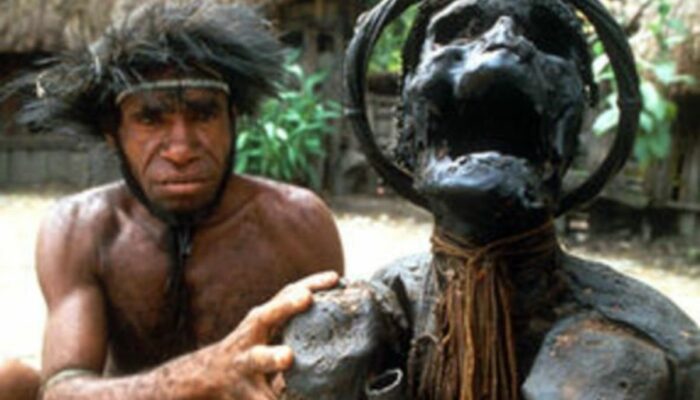
In the realm of dream analysis, the image of cannibalism stands out as a striking, often unsettling motif. While the literal act is gruesome, its appearance in a dream typically signals deeper, metaphorical concerns—ranging from unacknowledged desires to profound existential questions. Interpreting this symbol requires a multidisciplinary approach that incorporates symbolism, spirituality, psychology, philosophy, and cultural history.
Symbolic Interpretation
At its core, cannibalism in a dream represents a form of symbolic hunger that transcends the physical need for food. It can denote a craving for power, control, or the assimilation of qualities that the dreamer perceives as valuable.
- Consumption of resources: Feeling that you are giving away too much of yourself or that others are draining your energy.
- Desire for dominance: A subconscious wish to “take in” the strengths or successes of another person.
- Loss of boundaries: The blurring of personal limits, suggesting that you may be allowing others to overstep your emotional space.
Spiritual Dimensions
Christian Perspective
Within Christian theology, the Eucharist—commonly described as partaking in the body and blood of Christ—uses the language of consumption as a metaphor for spiritual nourishment. When cannibalism appears in a dream, it may reflect an inner conflict about the authenticity of one’s faith, feelings of spiritual deprivation, or a perceived betrayal of sacred commitments.
Islamic Perspective
The Qur’an emphasizes the sanctity of life and condemns exploitation of others. A dream of cannibalism can be interpreted as a warning against “metaphorical cannibalism,” such as greed, envy, or the unethical exploitation of another’s dignity. It invites the dreamer to examine personal conduct for signs of injustice or excessive self‑interest.
Psychological Perspectives
Freudian View
Sigmund Freud linked cannibalistic imagery to repressed psychosexual drives and a primal need for domination. In his framework, the dreamer may be expressing an unconscious wish to “absorb” another person’s attributes, reflecting unresolved conflicts surrounding authority and submission.
Jungian View
Carl Jung interpreted such imagery as an encounter with the shadow self—the part of the psyche that houses taboo, rejected, or socially unacceptable impulses. Dreaming of cannibalism can therefore be an invitation to integrate these shadow aspects, fostering greater psychological wholeness.
Philosophical Considerations
From a logical standpoint, cannibalism can be examined through syllogistic reasoning. For example:
Premise 1: All sentient beings have an inherent right to life.
Premise 2: Cannibalism violates that right.
Conclusion: Therefore, cannibalism is morally reprehensible.
Beyond ethics, this structure encourages reflection on what is “consumed” in everyday life—ideas, relationships, or values that may be eroded without conscious awareness.
Cultural and Historical Context
Throughout history, cannibalism has been employed as a metaphor for societal decay, dehumanization, and the breakdown of civil order. In wartime propaganda, for instance, enemy forces were sometimes portrayed as literal cannibals to amplify fear and justify aggression. In literature, film, and visual arts, the motif often underscores the tension between civilization and primal instinct.
When such cultural narratives surface in a dream, they may signal the dreamer’s anxiety about moral compromise, social responsibility, or personal integrity.
Guidelines for Personal Reflection
- Identify the role you play in the dream (victim, aggressor, observer). This reveals whether you feel empowered or vulnerable.
- Notice the emotions accompanying the scene—fear, exhilaration, guilt—as they point to the underlying psychological theme.
- Consider recent life situations involving power dynamics, resource scarcity, or ethical dilemmas.
- Reflect on spiritual practices: does the dream challenge or affirm your sense of purpose or connection to the divine?
- Journal your insights and, if possible, discuss them with a trusted counselor or dream‑work group to deepen integration.
Conclusion
Dreams of cannibalism are multifaceted symbols that can illuminate hidden aspects of the self—whether they be unacknowledged cravings for power, spiritual yearning, shadow material, or cultural anxieties. By approaching the image through symbolic, spiritual, psychological, philosophical, and cultural lenses, the dreamer gains a richer, more nuanced understanding of the subconscious messages at play.
FAQ
What does cannibalism in a dream generally signify?
It often points to a deep, symbolic hunger—such as a desire for control, assimilation of qualities, or unresolved emotional consumption.
How can I tell if the dream reflects a spiritual issue?
If the dream evokes religious imagery, feelings of guilt, or references to communion, it may be highlighting a conflict or longing within one's spiritual life.
Can this dream indicate problems in relationships?
Yes. Dreaming of being consumed or consuming others can mirror dynamics where boundaries are blurred, resources are over‑exploited, or power imbalances exist.




Leave a Reply