
Short Answer
Dreaming of camping—whether under a vast, starlit sky or nestled within a dense forest—often serves as a powerful metaphor for one’s current state of mind. While some may view these visions as simple reflections of past vacations, from a psychological and cultural perspective, camping in a dream frequently symbolizes a transition, a desire for liberation, or a quest for inner peace.
Psychological Interpretations of Camping Dreams
At its core, camping represents a temporary departure from the structured, often rigid demands of modern civilization. Psychologically, this transition suggests several key themes:
The Yearning for Simplicity
In an era defined by digital saturation and complex social obligations, dreaming of camping often reflects a subconscious yearning for simplicity. The act of stripping away luxuries and returning to basic needs indicates a desire to declutter the mind and reclaim a sense of primal freedom.
Preparation and Closure
The logistical aspects of camping—such as pitching a tent or gathering firewood—can mirror the mental organization required to face waking challenges. Setting up a campsite may symbolize your attempts to create stability amidst chaos or your readiness to find closure in a difficult life situation.
Adaptability and Resilience
Nature is inherently unpredictable. Dreaming of camping can be a marker of your own flexibility and adaptability. It may indicate that you are becoming more open to change or are prepared to step outside your comfort zone to explore uncharted territories in your personal or professional life.
Spiritual and Cultural Symbolism
The meaning of camping extends beyond psychology, drawing on deep-seated spiritual archetypes and cultural traditions.
| Perspective | Symbolic Meaning | Key Themes |
|---|---|---|
| Christian Biblical | The journey of the Israelites in the desert. | Faith, perseverance, and the search for a “Promised Land.” |
| Islamic Tradition | Similar to I’tikaf (spiritual retreat). | Seclusion, divine focus, and spiritual rejuvenation. |
| Social/Cultural | Communal gathering and kinship. | Strengthening bonds, solidarity, and social reflection. |
Analyzing the Dream Environment
To accurately interpret a camping dream, one must examine the environmental context, as the atmosphere acts as a metaphor for the dreamer’s emotional landscape:
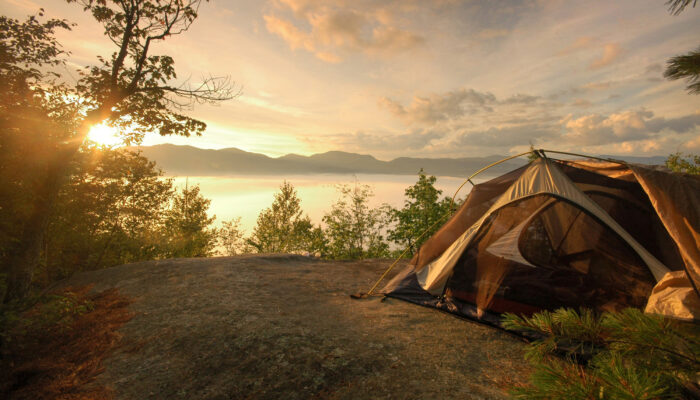
- Serene Landscapes: Peaceful forests or calm lakes typically signify internal harmony, contentment, and a state of emotional balance.
- Impending Storms: Turbulent weather or chaotic surroundings often herald underlying stress, anxiety, or unresolved conflicts in the dreamer’s waking life.
- Wildlife Encounters: Encountering animals can represent untapped instincts or unexpected challenges that require a strategic response.
“Dreams are the mirror of the soul, reflecting our deepest desires and the unresolved tensions of our subconscious mind.”
Conclusion
Ultimately, dreaming of camping is an invitation to engage with the various layers of your psyche. Whether it is a call for adventure, a need for spiritual realignment, or a prompt to nurture your social connections, these dreams serve as enduring whispers of the soul. By analyzing the symbols and emotions present, you can use these visions as a guide toward greater self-discovery and fulfillment.
FAQ
What does it mean to dream about camping in a storm?
A tumultuous camping environment typically symbolizes underlying stress, unresolved conflict, or emotional instability in the dreamer’s waking life.
Is dreaming of camping a sign of a spiritual awakening?
Yes, in many traditions, camping symbolizes a retreat from the mundane, representing a divine nudge toward a spiritual quest or a period of seclusion for rejuvenation.
What does setting up a tent in a dream signify?
The act of organization and preparation involved in setting up a camp often mirrors the mental processes required to confront and resolve challenges in real life.




Leave a Reply