
Short Answer
Introduction
Dreams have long served as a mirror of the subconscious, reflecting desires, anxieties, and cultural narratives. Among the myriad nightly scenarios, the act of buying food stands out for its blend of everyday practicality and deeper symbolic resonance. Whether the market is bustling or barren, the experience can reveal much about a dreamer’s emotional state, spiritual inclinations, and personal aspirations.
General Symbolism of Food Acquisition
At its most basic level, purchasing food in a dream represents a quest for nourishment. This nourishment is rarely limited to calories; it frequently extends to emotional support, intellectual insight, and spiritual sustenance. A simple syllogism illustrates the point:
If buying food signifies a desire for sustenance, and sustenance is essential for life, then the dream reflects a yearning for vitality across physical, emotional, and spiritual dimensions.
Consequently, the context of the purchase—abundance, scarcity, ease, or difficulty—provides clues about the dreamer’s perceived ability to meet these needs.
Abundant Market Scenes
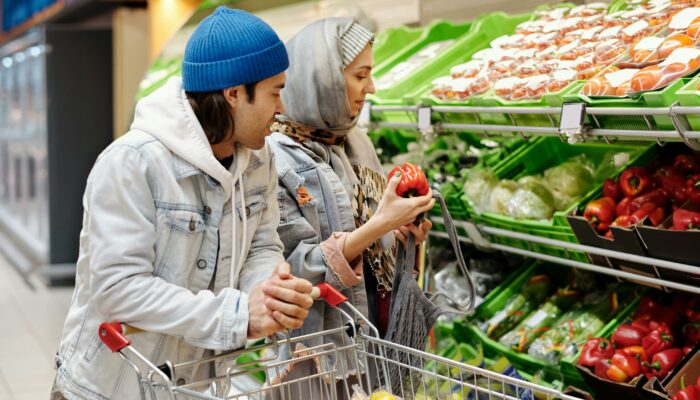
- Vibrant stalls filled with fresh produce suggest feelings of abundance, personal growth, and a wealth of choices in waking life.
- Bright colors and fragrant aromas often point to optimism and a readiness to embrace new opportunities.
Empty or Restricted Settings
- An empty grocery aisle or limited selection can indicate feelings of deprivation, uncertainty, or unfulfilled potential.
- Barriers to purchase—such as insufficient funds or closed shops—may mirror real‑world stressors or perceived limitations.
Cultural and Religious Interpretations
Interpretations shift markedly when viewed through the lens of specific traditions.
Christianity
In Christian symbolism, food often reflects spiritual sustenance. The New Testament describes Jesus as the “bread of life” (John 6:35), linking physical nourishment to divine grace. Dreaming of buying bread, for example, may be understood as an invitation to deepen one’s relationship with Scripture or to seek spiritual renewal.
Islam
Islamic dream literature frequently associates food with future blessings or trials. A lavish feast can foretell forthcoming success, whereas spoiled or insufficient food may warn of upcoming hardship. Moreover, seeking halal food in a dream can signal a subconscious desire to align more closely with Islamic ethical standards.
Buddhism and Hinduism
Both traditions view food as a manifestation of karma and the cyclical nature of existence. Purchasing food may symbolize the choices that generate karmic consequences, urging the dreamer to consider the quality of both literal and metaphorical consumption—thoughts, actions, and speech.
Psychological Perspectives
From a modern psychological standpoint, buying food in a dream often reflects coping strategies and emotional regulation. Food is a common source of comfort; thus, the dream may highlight a reliance on external sources for emotional soothing.
Agency and Self‑Efficacy
Successfully completing a purchase without obstacles can indicate a strong sense of agency and confidence. Conversely, encountering difficulties—such as long lines, price disputes, or missing items—may reveal underlying anxiety, feelings of powerlessness, or fear of scarcity.
Relationship with Food
These dreams can serve as a diagnostic tool for examining one’s real‑world relationship with eating. Are you using food as a reward, a distraction, or a means of control? Recognizing these patterns in the dreamscape can prompt healthier habits and greater self‑awareness.
Practical Guidance for Interpreting Your Dream
- Recall Details: Note the type of food, the setting, emotions felt, and any obstacles encountered.
- Connect to Current Life: Relate the dream’s symbols to recent events, stresses, or aspirations.
- Consider Cultural Context: Reflect on personal or familial beliefs that may color the symbolism.
- Assess Emotional Tone: Determine whether the dream felt hopeful, fearful, or neutral, as this often indicates the underlying message.
- Take Action: If the dream highlights a deficiency—be it emotional support, spiritual practice, or practical resources—consider concrete steps to address it.
Conclusion
The act of buying food in a dream weaves together threads of physical need, emotional longing, spiritual yearning, and cultural meaning. By examining the specific details of the dream and situating them within one’s personal and cultural context, the dreamer can uncover valuable insights that guide personal growth, reinforce faith, and promote psychological well‑being.
Ultimately, such dreams remind us that nourishment is a holistic concept—one that feeds body, mind, and spirit alike.
FAQ
What does it mean if I dream of buying expensive food?
It often reflects a desire for higher quality experiences or a sense of achievement in your waking life.
Why do some people feel anxious when they cannot purchase food in a dream?
The inability to buy food can symbolize feelings of inadequacy, fear of scarcity, or loss of control over personal needs.
Can this dream indicate a need to change my real‑world eating habits?
Yes, the dream may be prompting you to reflect on how you use food for comfort and whether healthier coping strategies are needed.


Leave a Reply