
Short Answer
Introduction
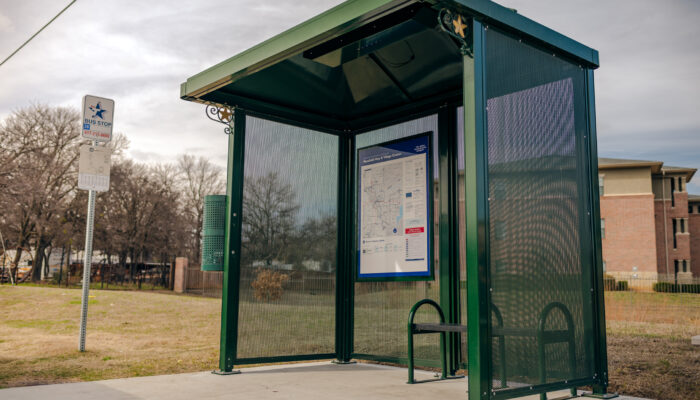
Across cultures, the bus stop is a familiar urban fixture where journeys begin, pause, or end. When this liminal space appears in a dream, it often serves as a metaphor for the dreamer’s current life stage—signaling anticipation, uncertainty, or the need to make a choice. This article examines the bus stop’s symbolic layers, drawing from psychological theory, cultural spirituality, and logical analysis to help readers decode its meaning.
Symbolic Dimensions of the Bus Stop
In the language of dreams, a bus stop functions as a threshold. It is neither the destination nor the vehicle itself, but the point where one decides whether to board, wait, or walk away. The following table outlines common visual variations and their typical interpretations:
| Visual Element | Interpretation |
|---|---|
| Empty bus stop | Feelings of isolation or a perceived lack of direction. |
| Crowded bus stop | Integration with a community or pressure from external expectations. |
| Late or missing bus | Fear of missed opportunities or anxiety about timing. |
| Boarding a bus immediately | Readiness to embark on a new venture or acceptance of change. |
| Waiting anxiously | Uncertainty, indecision, or the need for additional information before proceeding. |
Psychological Interpretation
From a Jungian perspective, the bus stop symbolizes a liminal zone where the conscious mind meets the unconscious. It offers a pause for introspection, allowing the dreamer to evaluate goals, values, and unresolved conflicts. Freud might view the scene as an expression of latent anxiety about future responsibilities or the desire to remain in a safe, familiar state.
Key psychological themes include:
- Restlessness: A subconscious signal that current routines are no longer fulfilling.
- Decision‑making: The need to weigh alternatives before committing to a path.
- Social identity: Presence of other commuters can reflect the dreamer’s sense of belonging or perceived judgment by peers.
Cultural and Spiritual Significance
Interpretations vary widely across religious and cultural traditions:
“Waiting at a crossroad is the soul’s practice of patience; the bus is the divine timing that carries us forward.” – Traditional Sufi proverb
- Christianity: The bus stop may represent a period of spiritual waiting, akin to awaiting God’s guidance before a major life decision.
- Islam: It can embody the concept of Sabr (patience), reminding believers that trials are temporary pauses before divine providence arrives.
- Eastern philosophies: The stop illustrates the cyclical nature of samsara, where each pause offers an opportunity for mindfulness and karmic insight.
- New Age spirituality: Some view each bus stop as a “soul checkpoint,” marking lessons learned in a particular incarnation before moving to the next.
Logical Perspective – A Syllogistic View
Applying basic logical reasoning can clarify why the bus stop recurs in dreams:
- All journeys involve periods of movement and pause.
- A bus stop is a designated pause point for a journey.
- Therefore, dreaming of a bus stop reflects an unconscious awareness of a pause in one’s personal journey.
This syllogism underscores the universality of the symbol: it is not merely a random image but a narrative cue about where the dreamer stands in life’s trajectory.
How to Interpret Your Own Bus Stop Dream
Effective interpretation hinges on context and emotion:
- Emotional tone: Feelings of excitement suggest readiness for change; anxiety points to hesitation.
- Surroundings: A bustling station may indicate external pressures; a deserted stop highlights inner solitude.
- Action taken: Boarding the bus signals commitment; watching the bus leave could reveal fear of missing out.
Ask yourself the following reflective questions:
- What major decision am I currently facing?
- Do I feel prepared to act, or am I waiting for more information?
- How do the other people in the dream influence my sense of choice?
Answers often reveal the underlying message: either a call to move forward, a reminder to be patient, or an invitation to reassess one’s direction.
Conclusion
A bus stop in a dream is a richly layered symbol that bridges psychological states, cultural narratives, and spiritual teachings. Whether it signals a moment of contemplation, an urge to act, or a reminder of patience, recognizing its meaning can empower the dreamer to navigate life’s transitions with greater awareness.
FAQ
What does it mean if I’m anxious while waiting at a bus stop in a dream?
Anxiety usually indicates hesitation about an upcoming decision or fear of missing a crucial opportunity.
Is a bus that never arrives a warning?
It often reflects a perception of delayed progress, urging the dreamer to reassess timing or seek alternative routes.
Can dreaming of a crowded bus stop suggest I’m feeling pressured by others?
Yes, a crowded scene can symbolize external expectations or a desire to conform to social norms.





Leave a Reply