
Short Answer
Introduction
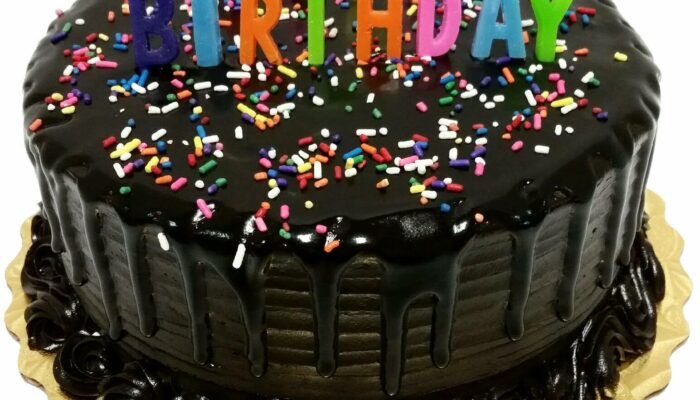
Birthday cakes are a staple of celebration, yet when they appear in dreams they carry a wealth of symbolic meaning. From personal growth and the need for acknowledgement to spiritual messages about abundance and renewal, the image of a cake can serve as a mirror for the dreamer’s inner life.
Psychological Interpretations
From a psychological perspective, a birthday cake often reflects the dreamer’s relationship with self‑reflection and the desire for recognition. Birthdays mark milestones, so a cake in a dream may indicate:
- Self‑validation: A wish to be acknowledged by peers, family, or oneself.
- Age‑related anxiety: Concerns about aging, life transitions, or unmet expectations.
- Fulfilment or lack thereof: Eating the cake can suggest satisfaction with current achievements, whereas an untouched cake may signal missed opportunities.
Cultural and Spiritual Perspectives
Christian Symbolism
In many Christian traditions the birthday cake represents the joy of life as a divine gift. Blowing out the candles can be interpreted as offering wishes to God and seeking guidance for the coming year.
Islamic Viewpoint
While birthday celebrations are less emphasized in some Islamic cultures, sharing a cake can still signify gratitude, community, and the strengthening of familial bonds.
Global Cultural Contexts
Across various societies the multi‑tiered cake symbolizes the layered nature of existence—sweet moments intertwined with bittersweet experiences. The tiers may suggest the progression of life stages, each layer representing a different chapter.
Symbolism of Layers, Candles, and Sharing
The physical elements of the cake each carry distinct meanings:
- Layers: The stratified structure points to the complexity of personal development, urging the dreamer to acknowledge both triumphs and challenges.
- Candles: Light from candles is often linked to illumination, insight, and spiritual guidance. Each candle can be seen as a focal point of a specific wish or intention.
- Sharing the cake: Dividing the cake among others reflects a desire for connection, camaraderie, and the belief that joy is amplified when shared.
Metaphysical and Law of Attraction Angles
In New‑Age and Law of Attraction circles, a birthday cake embodies abundance and the manifestation of wishes. The act of visualising candles being blown out is sometimes used as a ritual to project intentions into the universe.
Cyclical Themes and Renewal
Just as a birthday marks the completion of one year and the start of another, the cake can symbolize the cyclical nature of life—rebirth, renewal, and the perpetual spiral of experiences. Circular decorations on the cake echo natural cycles such as seasons and lunar phases.
Conclusion
The dream image of a birthday cake is far more than a simple party element; it integrates psychological needs, cultural traditions, and spiritual aspirations. By examining the context—whether the cake is eaten, shared, decorated, or left untouched—individuals can gain insight into their subconscious desires, social dynamics, and the broader narrative of personal growth.
FAQ
What does it mean to dream of an uneaten birthday cake?
An uneaten cake often points to feelings of missed opportunities, unfulfilled wishes, or a sense that the dreamer is not fully embracing recent successes.
Why are candles important in birthday cake dreams?
Candles symbolize illumination, hope, and the specific wishes the dreamer holds. Blowing them out can represent releasing intentions to the universe or a higher power.
Can a birthday cake dream indicate future events?
Most researchers view such dreams as reflections of current emotional states rather than literal predictions, though they may highlight upcoming transitions or desires.



Leave a Reply