
Short Answer
Introduction
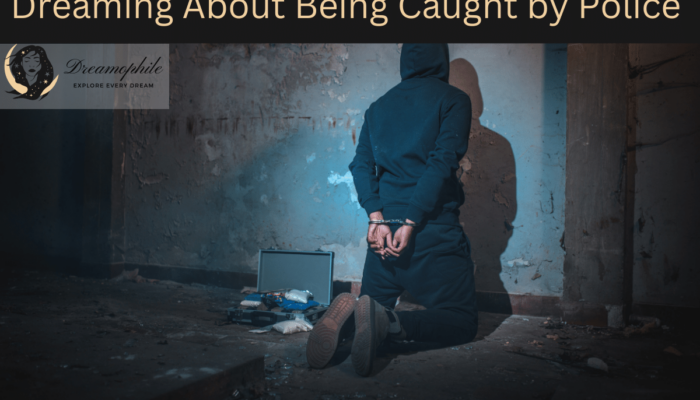
Dreams that involve law‑enforcement officers often provoke strong emotions of fear, shame, or helplessness. While the surface narrative may appear straightforward—a chase, an arrest, a confrontation—the underlying symbolism can reveal much about a dreamer’s relationship with authority, personal morals, and unresolved inner conflicts.
Symbolic Role of Police in Dreams
In the language of dreams, police typically embody the concepts of order, law, and the collective moral compass of society. Being caught by them may signal:
- A perceived transgression or guilt that the subconscious is urging you to acknowledge.
- Fear of exposure—whether of secrets, mistakes, or hidden aspects of the self.
- An internal struggle between personal desires and societal expectations.
Psychological Perspectives
Freudian Interpretation
Sigmund Freud viewed dreams as a royal road to the unconscious. A dream of police arrest can represent repressed guilt or an unconscious acknowledgment of a wrongdoing that the superego is attempting to punish.
Jungian Interpretation
Carl Jung emphasized archetypes and the collective unconscious. The police may function as an externalization of the “Shadow” archetype—those darker, unintegrated parts of the psyche that demand recognition before the individual can achieve wholeness.
Spiritual and Religious Interpretations
Christian Viewpoint
Within Christian symbolism, law‑enforcement figures can act as agents of divine judgment. Dreaming of being apprehended may be an invitation to repentance and spiritual renewal. As Proverbs 28:13 states:
“Whoever conceals their sins does not prosper, but the one who confesses and renounces them finds mercy.”
The dream therefore functions as a moral checkpoint, urging the dreamer toward confession and forgiveness.
Islamic Viewpoint
In Islamic dream interpretation, police represent justice and accountability before Allah. Being caught can signify that one’s deeds are being evaluated, prompting a call to atonement and a reminder that divine justice ultimately prevails.
Indigenous and Other Cultural Views
Some indigenous traditions interpret arrest in a dream as a sign of alienation from community or ancestral values. The experience may highlight a disconnection from cultural roots, urging the dreamer to restore balance with their heritage.
Societal and Contextual Dimensions
The meaning of police‑related dreams can also be shaped by personal experiences with law enforcement and broader societal dynamics. For individuals who have faced systemic bias or oppression, the dream may echo feelings of powerlessness, marginalisation, or a collective yearning for justice.
Common Themes and Emotions
- Anxiety or panic – often linked to fear of being judged.
- Guilt or shame – a subconscious acknowledgment of perceived wrongdoing.
- Desire for redemption – the dream may motivate real‑world steps toward reconciliation.
Conclusion
Dreams of being caught by police operate on multiple levels: they mirror personal moral dilemmas, surface repressed emotions, and reflect cultural attitudes toward authority. By examining the symbolic, psychological, spiritual, and societal threads woven into the dream, individuals can gain valuable insight into unresolved issues and potential pathways for personal growth.
FAQ
Why do I feel intense fear when police appear in my dream?
The fear often reflects anxiety about being judged or exposed for actions you consider unacceptable, whether real or imagined.
Can this dream indicate a need for moral or spiritual change?
Many traditions view arrest in a dream as a prompt to examine one’s conscience, seek forgiveness, or realign with personal values.
Does the cultural background of the dreamer affect the interpretation?
Yes. Religious, cultural, and personal experiences with law enforcement shape the symbolic meaning and emotional tone of the dream.
How can I use this dream for personal growth?
Reflect on any areas of life where you feel guilty or constrained, consider steps toward accountability, and explore ways to reconcile with your inner values.





Leave a Reply