
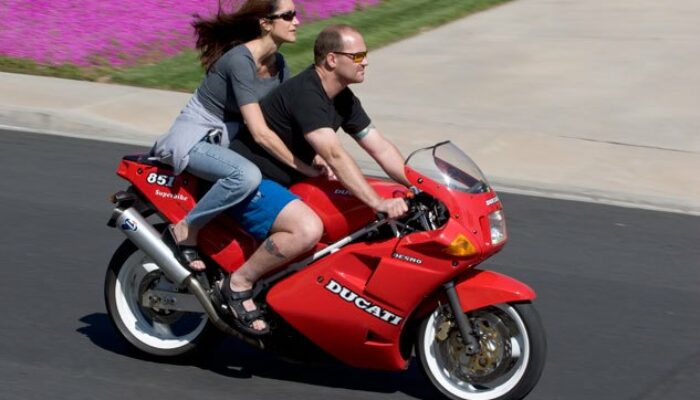
Short Answer
Introduction
Across cultures, dreams serve as a mirror for the subconscious, projecting personal concerns through vivid symbols. One such symbol—being a passenger on a motorcycle—combines the notions of speed, freedom, and reliance on another. This article examines the multiple layers of meaning attached to this dream motif, drawing from psychological theory, religious traditions, and esoteric thought.
Psychological Interpretation
From a Jungian perspective, the motorcycle represents the dynamic ego moving toward personal goals. Sitting in the passenger seat suggests a temporary surrender of agency, indicating that the dreamer may feel:
- Dependent on a dominant figure (the rider) for direction.
- Vulnerable or exposed in a fast‑moving situation.
- Uncertain about their own capacity to control life’s “road.”
Modern cognitive‑behavioral research links such dreams to real‑world stressors where individuals perceive a loss of control, such as a demanding job, relationship dynamics, or major life transitions. The emotional tone of the ride—exhilarating, frightening, or neutral—provides clues about whether the dreamer views this dependence as supportive or oppressive.
Cultural and Spiritual Perspectives
Christianity
In many Christian dream‑interpretation manuals, the motorcycle can symbolize the journey of life under divine guidance. The rider may be seen as a representation of God, Christ, or a spiritual mentor. As a passenger, the dreamer is called to place faith in that guidance, trusting the path even when the terrain is uncertain.
Islam
Islamic tradition treats dreams as potential messages from the divine. A modern vehicle such as a motorcycle reflects contemporary life’s challenges. The passenger role emphasizes submission (taslim) to Allah’s will, encouraging the dreamer to accept destiny while maintaining patience and gratitude.
Esoteric and New Age Views
Esoteric frameworks often interpret the motorcycle as a symbol of duality—freedom versus vulnerability. The passenger embodies the “shadow” self that must learn to cooperate with the conscious “rider” self. The ride’s quality (smooth vs. turbulent) mirrors the harmony or conflict between these inner aspects.
Key Symbolic Elements
To refine an interpretation, consider the following components:
- Identity of the Rider: A trusted partner, a stranger, or a famous figure can indicate who the dreamer feels is steering their life.
- Environment: Open highways suggest freedom; congested city streets may signal feeling trapped.
- Speed and Control: High speed can denote excitement or anxiety; a jerky ride may reveal underlying instability.
- Emotional Reaction: Feeling exhilarated points to acceptance of support, whereas fear signals resistance to reliance.
Practical Guidance for Dreamers
When you awaken from a passenger‑on‑a‑motorcycle dream, ask yourself:
- Who was the rider, and what qualities do they represent for me?
- Did I enjoy the ride or feel trapped?
- Are there areas in my waking life where I am voluntarily surrendering control?
Reflecting on these questions can illuminate current relational dynamics, career decisions, or personal growth opportunities. If the dream evokes discomfort, consider exploring boundaries and developing confidence in decision‑making.
Conclusion
The image of being a motorcycle passenger in a dream is a rich, multi‑layered symbol that touches on autonomy, trust, and the interplay between personal agency and external influence. Whether viewed through a psychological lens, a religious tradition, or an esoteric framework, the dream invites the sleeper to examine how they balance freedom with reliance, and how they navigate the ever‑changing road of life.
FAQ
What does it mean if I feel scared while being a passenger on a motorcycle in a dream?
Fear often indicates anxiety about relinquishing control or distrust in the person guiding you. It suggests you may need to assess whether you are overly dependent on others.
Is a smooth, enjoyable ride a positive sign?
Yes, a calm and exhilarating ride usually reflects comfort with the support you receive and confidence in the direction of your life.
Can this dream predict real‑world events?
Dreams are generally symbolic reflections of internal states, not literal forecasts. They can, however, highlight areas where you might need to make conscious choices.


Leave a Reply